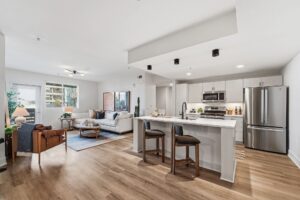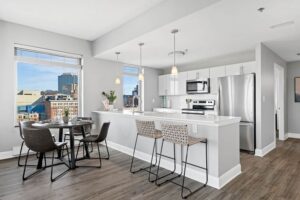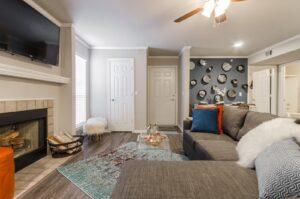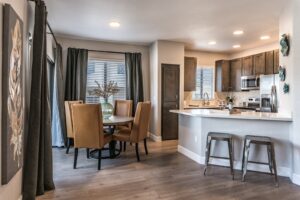
An updated kitchen or bathroom can change how an apartment looks, but its impact goes beyond appearance. For multifamily owners and operators, interior renovation is an opportunity to improve everyday functionality, address aging materials, and strengthen a property’s position in the rental market.
Apartment interior upgrades can include kitchen remodeling, bathroom improvements, flooring replacement, lighting updates, and new finishes. However, not every community needs the same improvements. The right approach depends on existing conditions, resident expectations, and the owner’s investment objectives.
Renu provides turnkey multifamily interiors renovation services that help owners, investors, and property managers turn renovation priorities into completed improvements. The process begins with understanding what the property needs and identifying which changes support its long term goals.
Table of Contents
ToggleWhat Does Repositioning Mean for an Apartment Community?
Repositioning involves improving a property’s appeal and functionality to better meet the expectations of its intended rental market.
For some communities, this means updating older apartments to align with nearby rental properties. For others, it involves establishing a consistent interior standard across units renovated at different times.
Before choosing materials, owners should evaluate the condition of existing interiors, the needs of prospective residents, and the property’s competitive position.
This is where renovation priorities become important. Not every improvement delivers the same value, and replacing everything may not be necessary.
Owners can begin by identifying which areas need attention and applying a clear approach to prioritizing multifamily renovation improvements that align with their property’s goals.
Once priorities are established, the next step is determining how individual interior upgrades can contribute to the property’s overall renovation strategy.
Kitchen Improvements That Support Function and Appeal
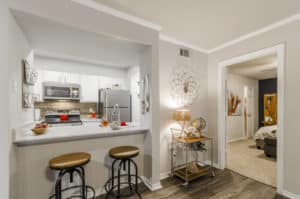
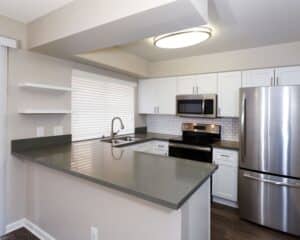
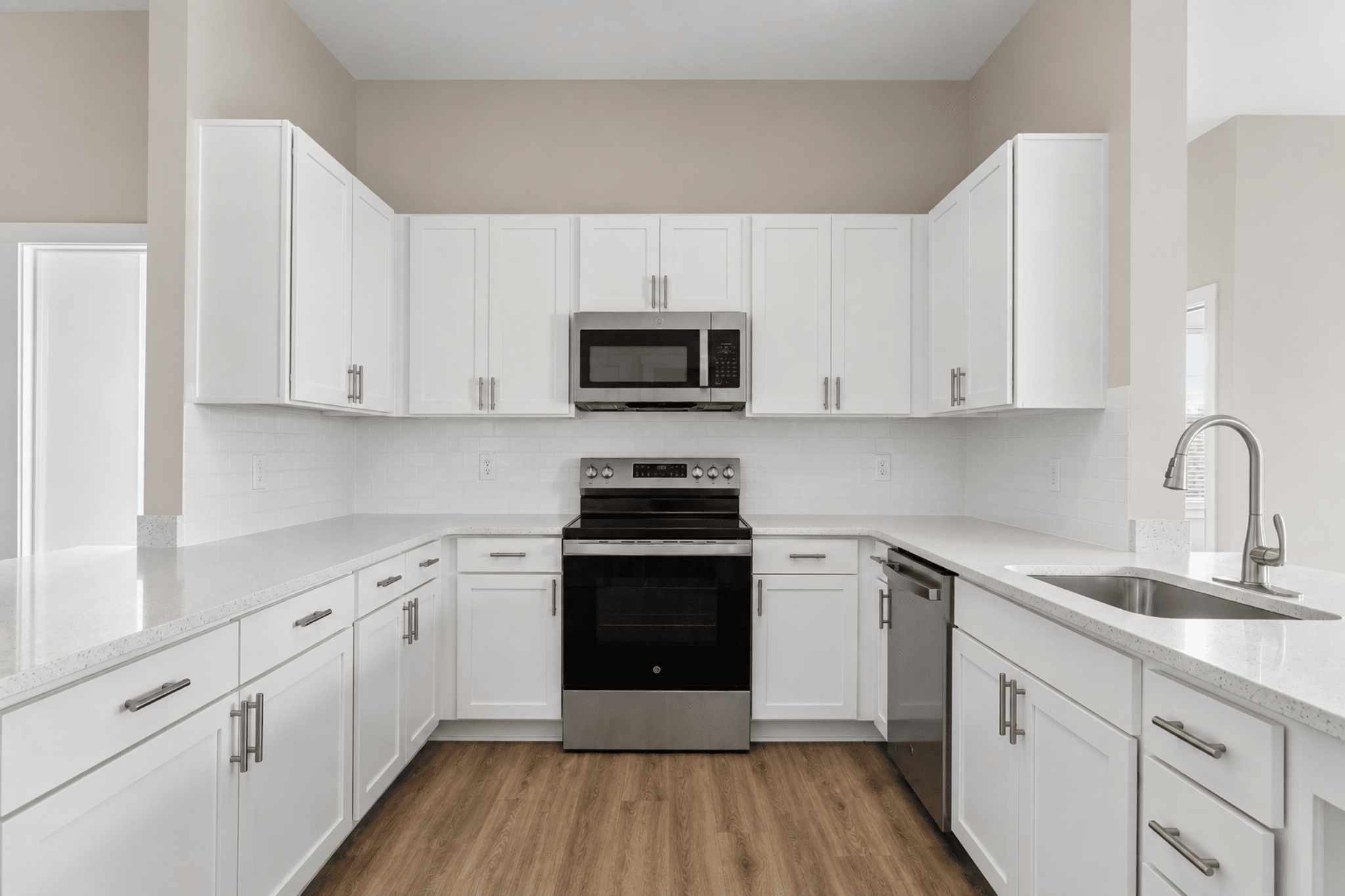
Kitchens are among the most frequently used spaces in an apartment. Their storage, surfaces, fixtures, and finishes influence how residents use the space each day.
Aging cabinets, worn countertops, and outdated plumbing fixtures can affect both functionality and appearance. However, the extent of renovation should reflect the condition of the existing kitchen.
For example, some units may benefit from countertop installation, plumbing fixture upgrades, and new finishes. Others may require cabinet replacement and a broader kitchen renovation.
Renu’s interior renovation capabilities include cabinet replacement, countertop installation, kitchen upgrades, plumbing fixtures, and related finishing work.
When these improvements are planned together, owners can create a more consistent kitchen design while addressing the property’s specific renovation needs.
Bathroom Renovations That Improve Everyday Use
Bathrooms are another important consideration when evaluating apartment interiors.
Showers, plumbing fixtures, vanities, and surrounding finishes experience regular use. Over time, aging materials and outdated fixtures can affect how the space functions and appears.
Bathroom renovations may involve shower improvements, plumbing fixture replacements, surface updates, painting, and finishing work.
The right scope depends on existing conditions. A bathroom with functional fixtures may need selected updates, while another may require more extensive remodeling.
Material selection also matters. Owners should consider durability, maintenance requirements, and how the selected finishes complement other improvements throughout the apartment.
By evaluating kitchens and bathrooms together, owners can establish a more consistent interior standard across renovated units.
Flooring, Lighting, and Finishes Bring the Space Together
Kitchens and bathrooms often receive the most attention, but other interior improvements influence how the apartment looks and functions as a whole.
Flooring connects different living areas. Lighting affects visibility and everyday activities. Meanwhile, paint and interior finishes help establish a consistent appearance throughout the unit.
For example, a renovated kitchen may look disconnected from the surrounding space if adjacent flooring remains worn or finishes do not complement the updates.
Coordinating these improvements creates a more unified interior.
For larger renovation programs, consistent material selections can also support purchasing, construction planning, and repeatable renovation scopes across multiple apartments.
The objective is not to make every unit identical. Instead, owners should select improvements that work together and reflect the property’s intended interior standard.
How Interior Improvements Support Property Repositioning
Each apartment interior upgrade serves a different purpose. Understanding these differences helps owners select improvements that support property conditions, resident needs, and investment goals.
Kitchen Improvements
Updating cabinets, countertops, and plumbing fixtures can improve kitchen functionality and appearance. Together, these changes make the space more practical for everyday use and more appealing to prospective residents.
Bathroom Improvements
Shower renovations, new plumbing fixtures, and updated finishes can improve aging bathrooms. The right improvements depend on existing conditions and the property’s renovation objectives.
Flooring Upgrades
Replacing worn flooring can improve durability and create a consistent look throughout the apartment. When selecting materials, owners should consider daily use, maintenance needs, and the overall interior design.
Lighting Updates
New lighting fixtures can improve visibility and make living spaces more functional. In addition, consistent lighting selections help connect different rooms.
Painting and Interior Finishes
Fresh paint and updated finishes can bring the apartment together. Using consistent colors and finishes also helps establish a uniform appearance across renovated units.
Effective property repositioning starts with selecting improvements that address actual property needs rather than replacing every component.
Targeted Improvements or Full Scope Renovation?
One of the most important decisions is determining how much work each apartment needs.
Targeted upgrades may be appropriate when existing components remain functional and selected improvements can meet the property’s goals. A full scope renovation may make more sense when several areas require replacement or ownership wants to establish a new interior standard.
For example, replacing flooring and lighting may improve an apartment’s presentation. However, these changes alone may not accomplish the intended repositioning if the kitchen and bathroom still require significant work.
Owners should evaluate each apartment as a complete living space before finalizing the scope. This helps connect renovation costs with the improvements that matter most.
What Are Interior Design Trends Telling Multifamily Owners?
Design trends can provide useful direction, but they should not determine every renovation decision.
A 2026 Multi-Housing News article, Midyear Style Report: Multifamily Kitchen & Bath Trends, discusses kitchen and bathroom design considerations for multifamily properties.
For owners, the important question is whether a particular design choice fits the community. Updated cabinetry, contemporary fixtures, and coordinated finishes may help modernize interiors, but materials should also be evaluated for durability, maintenance, and cost.
The goal is to select improvements that remain practical beyond the latest design trend.
Bringing Interior Improvements Across the Community
Renovating one apartment is different from completing similar improvements across dozens or hundreds of units.
Once ownership establishes the renovation scope, the project needs a plan for material quantities, procurement, delivery schedules, trade sequencing, and unit access.
Occupied and vacant apartments may also require different scheduling arrangements. In occupied communities, construction activity must account for residents and ongoing property operations.
Renu provides end to end project management for multifamily interior renovations, connecting preconstruction planning, material procurement, onsite supervision, and construction with postconstruction closeout.
This approach helps translate individual renovation decisions into a defined construction program across the community.
Making Interior Improvements Work for the Property
Apartment interior upgrades should support more than an updated appearance. Kitchens, bathrooms, flooring, lighting, and finishes all contribute to how residents experience a unit and how the property presents itself in the rental market.
The right combination depends on existing conditions, renovation priorities, and the property’s investment objectives.
Renu brings these improvements together through full scope interior renovation services and coordinated project execution.
Ready to reposition your apartment community? Contact Renu to discuss your multifamily interior renovation project.