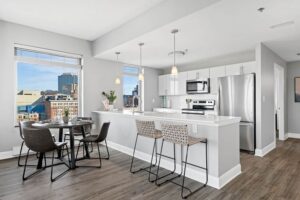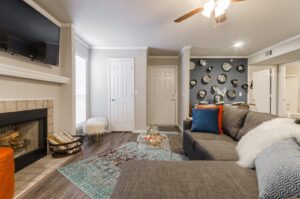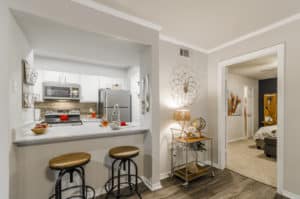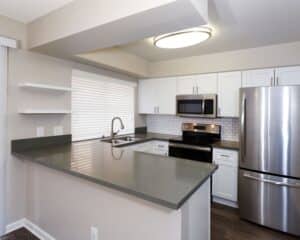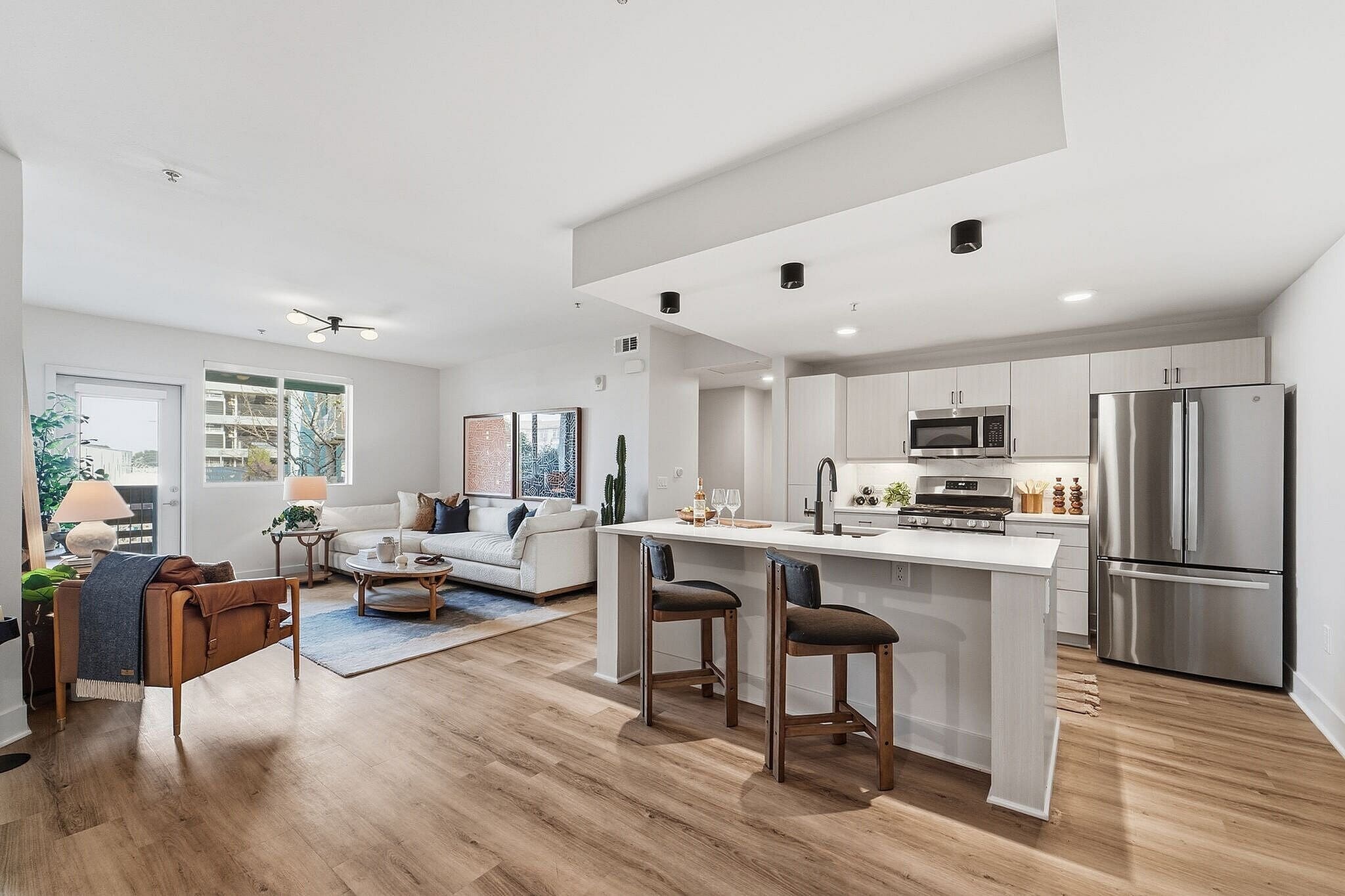
When a resident does not renew, you are not just losing a month of rent. There is the vacancy, the turn works, the marketing, and the weeks it takes to find and sign someone new for that unit. Interior renovations are one of the most reliable ways to keep your residents renewing instead of moving out. Multifamily property renovations is one of the few upgrades within your direct control that can shift this outcome. The units most likely to turn over are almost always the ones you have gone the longest without updating, since those are exactly the units your residents compare against something newer down the street.
Table of Contents
ToggleHow Interior Design Impacts Tenant Retention in Multifamily Properties
Residents renew for simple reasons. The unit works well, it looks good, and it feels worth the rent. When any of that slips, residents start looking at what else is available nearby. Worn countertops, outdated fixtures, and flooring that has been through several turns all tell a resident the unit has not been kept up. If a newer building close by is offering updated finishes at a similar price, that is often enough to lose the renewal. Updating the interior changes that impression, and residents notice the difference right away. Even smaller updates, like swapping outdated light fixtures or refinishing cabinets instead of replacing them, can improve tenant retention numbers.
Tenant Retention Multifamily Renovations: The Strategies That Actually Work
Not every multifamily renovation done affects retention the same way. Some upgrades look good in photos but do not change how a resident feels about living there. Others make the real difference at renewal time. Here is how the major categories tend to rank.
- Flooring
Usually the highest impact upgrade. Residents walk on it daily, and worn carpet or cracked tile makes a unit feel old regardless of what else has been updated. Durable flooring holds up better across multiple turns, meaning fewer replacements between residents and less downtime on turnover. - Kitchens
Updated cabinet fronts, hardware, and countertops carry most of the impact, and swapping worn appliance finishes the job. Residents spend real time here, so wear gets noticed quickly. - Bathrooms
New fixtures, updated lighting, and a reglazed tub can make a bathroom feel current without a full remodel. Small details like a new mirror or faucet go a long way. - Paint and lighting
Lower cost, still noticeable. Fresh, neutral paint with updated fixtures can make a unit feel renovated even when it is not, and it is often the fastest upgrade to complete between turns. - Common areas
Lobbies and hallways affect every resident at once, since they are the first and last thing residents see each day. A tired common area can undermine a nicely updated unit. - Exterior and curb appeal
Matters most for first impressions and attracting new residents. Clean landscaping, updated signage, and a well-kept entrance shape how residents feel about the property before they even reach their unit.
This approach helps property managers too. Instead of trying to renew a lease on a unit that looks tired, they have an improved unit to point to. It helps maintenance teams as well, since fixing the units with the worst repair history means fewer repeat service calls down the road.
Why Renovations Matter for Rental Properties
Turnover is one of the most controllable costs for property owners. Replacing a resident can cost several months of lost rent. In addition, owners must cover cleaning, repairs, marketing, and leasing expenses before the next resident moves in. Over time, these costs often exceed the price of planned renovations. By comparison, renovation expenses are more manageable when spread across the years a resident occupies the unit. Therefore, renovating before turnover occurs is often the more cost-effective and predictable approach. For this reason, property owners and management companies benefit from partnering with Renu, an experienced multifamily renovation contractor, to plan and complete interior renovations that support long-term property performance.
Making Renovation Part of Your Retention Strategy
Multifamily interior renovations are more than cosmetic upgrades. They play a key role in resident satisfaction and retention. As a result, property owners often experience lower turnover and less pressure on property management and maintenance teams. In addition, properties that follow a regular renovation schedule tend to achieve higher lease renewal rates than those that renovate only after residents move out. Rather than treating renovations as a one-time project, successful property owners make them part of an ongoing maintenance strategy. This proactive approach helps keep units competitive, attractive, and aligned with current market expectations.
At Renu, we work with multifamily owners, investors, and management companies on apartment interior renovation projects across their portfolios. We look at which units need attention first, prioritize the upgrades that matter most to residents, and build a schedule that fits around your renewal timelines. If renovations are part of your retention plan, we can help you figure out where to start and put together a complete plan for the property.
#MultifamilyInteriorRenovations #TenantRetention #MultifamilyRenovation #LasVegas #ApartmentInteriorRenovation #MultifamilyPropertyRenovation #Dallas #Phoenix #Denver #MultifamilyRenovationContractor