Water damage can affect a multifamily property before owners and management teams fully understand what happened. A burst pipe, sprinkler system failure, roof leak, or severe storm can damage apartment interiors, building systems, and shared spaces. In some cases, moisture reaches areas that show little visible evidence of exposure.
For property owners, water damage cleanup in Dallas involves more than removing standing water. The process begins with understanding the source and extent of damage, evaluating affected materials, and determining what must happen before reconstruction can begin.
Renu provides water damage response and property rebuilding services, connecting damage documentation with the construction work needed to restore affected spaces.
Table of Contents
ToggleIdentify the Water Source and Affected Areas
The first priority after water damage is identifying where the water originated and whether the source has been controlled.
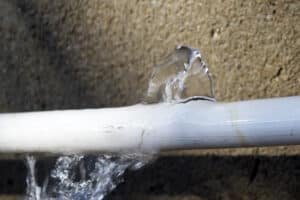
A broken supply line may affect several apartments across multiple floors. A roof leak can damage insulation, ceiling assemblies, and interior finishes. Water from a sprinkler system failure may reach flooring, wall cavities, and electrical components.
Property teams should restrict access to potentially hazardous areas and contact the appropriate professionals. Electrical equipment, contaminated water, and compromised building materials can present risks that require qualified assessment.
Once conditions permit, the next step is determining how far the water has traveled.
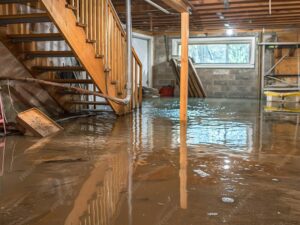
Visible staining and standing water provide useful information, but they do not always show the complete extent of damage. Understanding the affected areas helps establish which response activities and evaluations are required.
Understand Water Damage Risks in Dallas
Dallas multifamily properties face water damage risks from plumbing failures, roofing problems, and severe weather.
Heavy rainfall can expose weaknesses in roofing systems, exterior assemblies, drainage, and other building components. Interior plumbing failures may occur regardless of weather conditions.
For communities with multiple buildings, a single incident can affect several apartments or shared spaces. Water may also travel between floors or adjoining units, increasing the number of areas requiring evaluation.
These conditions make property-specific assessment important. Owners need to understand which building components are affected rather than assuming every incident requires the same response.
The source, extent, and duration of exposure influence the work that follows.
What Happens During Water Damage Cleanup?
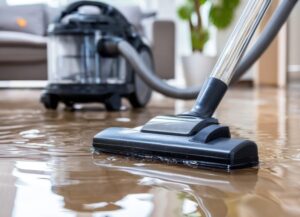
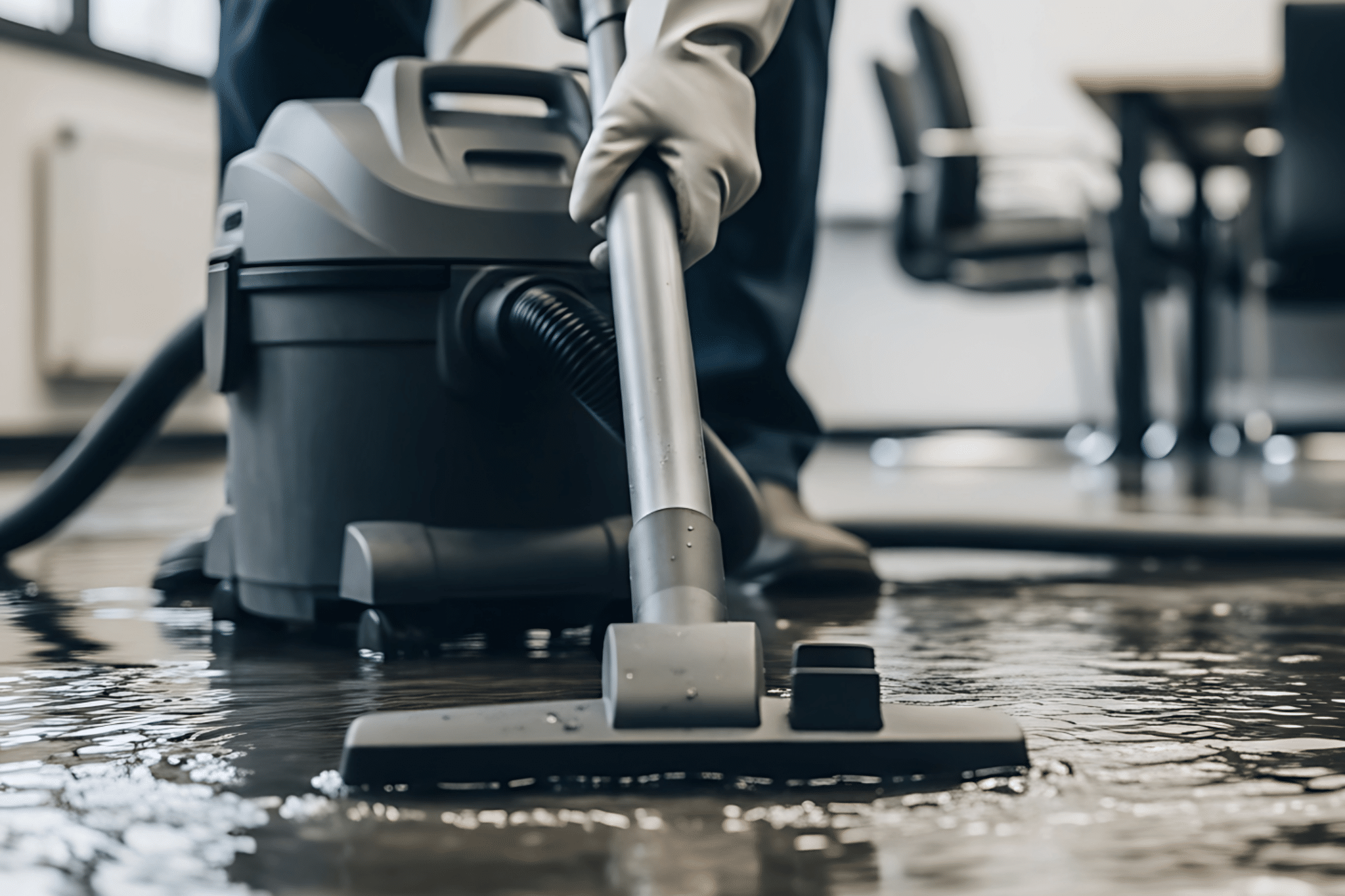
The immediate response generally focuses on controlling the water source, assessing conditions, extracting standing water, and addressing moisture in affected materials.
Renu’s published water damage services describe a response process that includes onsite moisture assessment, water category classification, extraction, drying equipment, and moisture monitoring.
Its service capabilities include moisture meters, thermal imaging, extraction equipment, air movers, and dehumidifiers. These tools help technicians identify moisture conditions and monitor drying progress.
Water may be classified according to its source and contamination characteristics. This distinction matters because clean water from a supply line presents different concerns from water containing contaminants.
The appropriate response depends on the actual conditions.
Evaluate Materials Beyond Visible Damage
Water can affect building materials differently depending on exposure conditions.
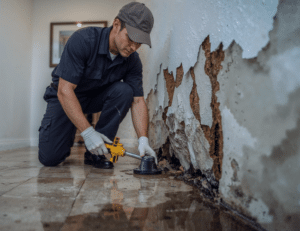
Drywall, insulation, flooring, cabinetry, and interior finishes may require further evaluation. Some materials may be suitable for retention after appropriate treatment and verification. Others may need replacement because of deterioration, contamination, or other damage.
Concealed moisture also deserves attention.
Water may enter wall cavities, reach subflooring, or affect materials behind cabinets. Moisture assessment helps identify conditions that cannot be determined through visual inspection alone.
Building systems may require separate evaluations. Electrical components, HVAC equipment, and structural assemblies should be assessed by appropriately qualified professionals when exposure creates potential concerns.
These findings help distinguish materials that can remain from those requiring removal or reconstruction.
Coordinate Repairs and Interior Reconstruction
Once the affected areas have been evaluated and are ready for reconstruction, the project moves into repairing damaged building components.
The required work depends on the source and extent of damage.
A plumbing failure may require repairs to piping, wall assemblies, flooring, and interior finishes. Water entering through a damaged roof may require exterior repairs before affected ceilings and interiors can be rebuilt.
Renu’s property restoration capabilities include structural repairs, mechanical, electrical, and plumbing work, and interior reconstruction.
These activities must follow an appropriate construction sequence. Underlying repairs and required inspections may need to be completed before drywall, flooring, cabinetry, and finishes are installed.
Coordinating the work as one restoration project helps connect individual repairs with the property’s broader recovery requirements.
Consider Residents and Property Operations
Water damage can interrupt property operations even when only a portion of the community is affected.
Residents may face temporary access restrictions, while construction activities can affect parking, walkways, shared spaces, and individual apartments.
Property management remains responsible for resident communication and operational decisions. Construction teams provide schedules, access requirements, and information about activities that may affect occupied areas.
Some apartments may remain available throughout reconstruction. Others may require continued restrictions until applicable safety and occupancy requirements are satisfied.
Renu coordinates construction activities with property teams so scheduling, deliveries, work areas, and access requirements reflect the property’s operating conditions.
What Should Owners Expect Before Recovery Is Complete?
Finishing visible repairs is not always the final step.
Depending on the scope, project closeout may include inspections, punch walks, final construction corrections, site cleanup, and documentation of completed work.
Applicable authorities remain responsible for official approvals and occupancy determinations.
Owners should understand which spaces have been completed, which requirements remain outstanding, and what must occur before affected areas can return to use.
Renu connects reconstruction and project closeout through coordinated construction management, supporting the property’s transition from damaged conditions toward renewed operation.
Address the Damage. Plan the Recovery.
Water damage cleanup in Dallas requires decisions about affected materials, moisture conditions, documentation, construction scope, and property operations. Each stage influences the work that follows.
Understanding the response process helps owners distinguish immediate cleanup requirements from the reconstruction needed to restore their properties.https://renu.inc/contact/
Managing water damage at your Dallas property? Connect with Renu to discuss the rebuilding process.