Property damage does not make an appointment. A fire, water intrusion, severe storm, or unexpected structural failure can disrupt a multifamily or commercial property and leave owners facing decisions that affect the building, occupants, and daily operations.
The damage may be immediately visible, but the full extent of the work is not always clear. Structural components, roofing, building systems, and interior spaces may all require attention. Meanwhile, property teams need answers about construction requirements, schedules, and the steps toward reopening affected areas.
Property damage restoration requires more than addressing individual repairs. It involves understanding the condition of the property, establishing a rebuilding scope, and coordinating construction toward renewed use.
Renu provides full rebuilding and property restoration services for multifamily and commercial properties, connecting reconstruction with the planning and project management needed to move recovery forward.
Table of Contents
ToggleStart With What the Damage Has Affected
After significant property damage, one of the first decisions is determining what needs to be rebuilt.
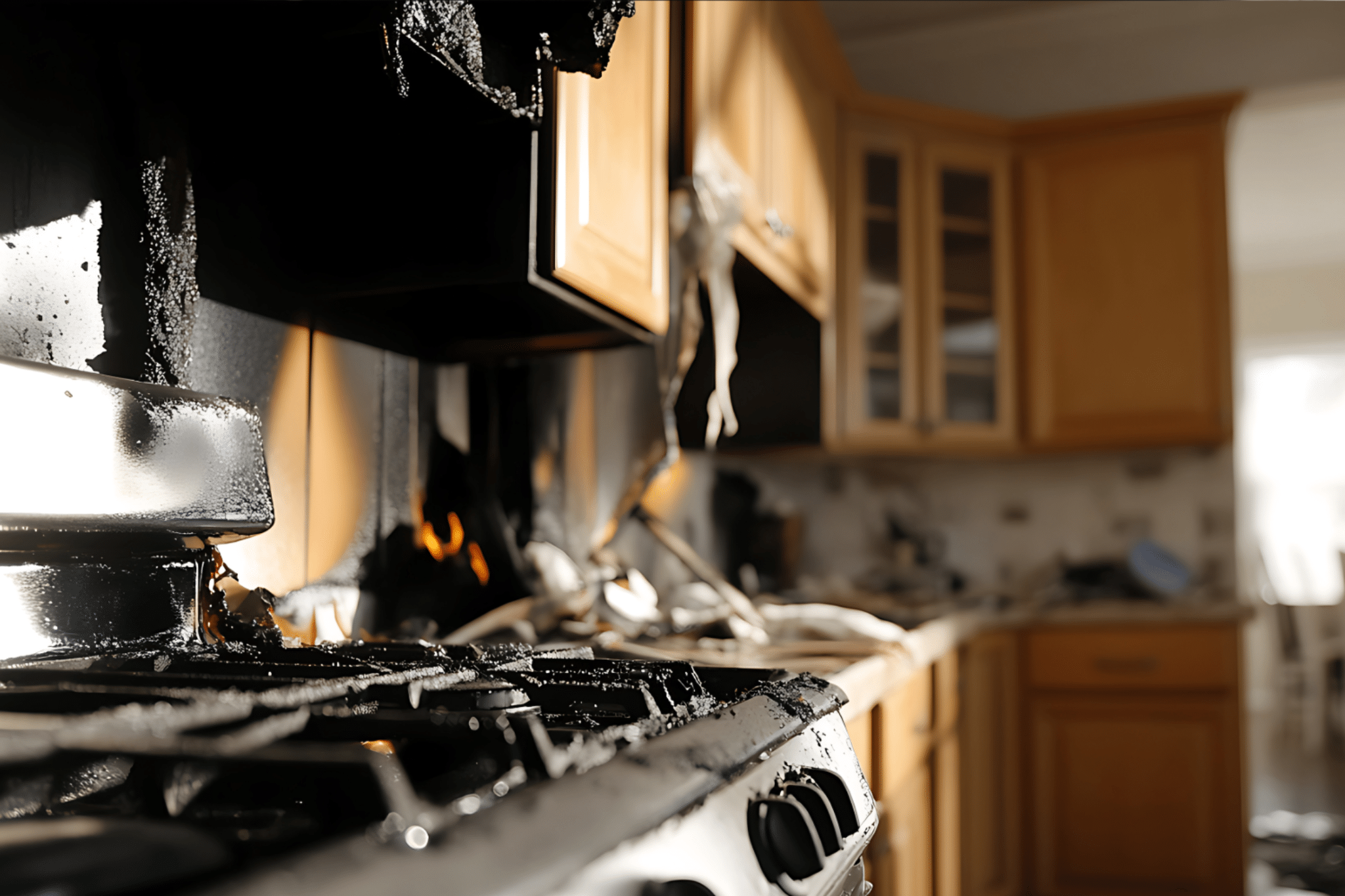
Visible damage provides an initial picture, but it may not reveal the condition of surrounding materials or building systems. Fire can affect framing, electrical components, and adjacent spaces. Water can reach insulation, flooring, and wall assemblies. Storm damage may involve roofing, exterior materials, and interior areas.
Owners need a clear understanding of the affected components before committing to a construction scope.
That means reviewing documented conditions, identifying areas requiring further evaluation, and establishing which repairs depend on other work.
For example, replacing damaged drywall may seem straightforward. However, electrical wiring, plumbing, framing, or insulation behind the wall may need attention before interior reconstruction can proceed.
Understanding these connections helps ownership make decisions based on the property’s actual rebuilding requirements.
A 2026 Apartment Fire Shows How Far the Impact Can Reach
A September 2026 apartment fire in East Oakland, California, illustrates how significant damage can affect an entire residential community.
According to KQED’s September 28, 2026 report, a three alarm fire affected a four story, 21 unit apartment building. Approximately 70 residents were evacuated, and four people were transported to medical centers. The city arranged temporary shelter and worked to assist displaced households.
The incident demonstrates that property damage can create consequences beyond the physical repairs.
For ownership, a major loss can introduce questions about building conditions, access restrictions, resident displacement, inspections, and future reconstruction.
The Oakland fire is an independent news example, not a Renu project. The report documents the incident and its immediate consequences, rather than the property’s eventual restoration outcome.
Define the Work Before Construction Begins
Once the damage has been evaluated, the next decision is how to organize the rebuilding scope.
A restoration project may involve demolition, structural repairs, roofing, mechanical systems, electrical work, plumbing, and interior reconstruction. These activities often depend on one another.
Removing damaged materials may reveal additional conditions. Structural work may need to be completed before building systems can be repaired. Inspections may be required before certain areas can be enclosed or finished.
A defined scope helps identify the work required, the parties responsible, and the sequence needed to complete construction.
Renu’s restoration capabilities include demolition and debris removal, structural reconstruction, mechanical, electrical, and plumbing repairs, and interior finishing. These services are coordinated around the established project requirements.
The objective is to move from an initial list of damaged components to a construction plan that addresses the property as a whole.
Structural Repairs and Building Systems Come Before Finishes
Some of the most important restoration work happens behind walls, above ceilings, or within building systems.
Framing, roofing, electrical infrastructure, plumbing, and HVAC components may require repairs before interior spaces can be completed.
For example, an apartment affected by fire may need electrical repairs and replacement of damaged framing before new drywall, flooring, and fixtures can be installed.
A property affected by water intrusion may require repairs to roofing or exterior components before damaged interior materials are replaced.
Completing the work in the appropriate order helps avoid finishing spaces before underlying construction requirements have been addressed.
Renu coordinates structural repairs and building system reconstruction as part of its broader property restoration services. This connects the work required behind finished surfaces with the interior rebuilding that follows.
Property Operations Need Their Own Restoration Plan
A damaged property may still have residents, tenants, employees, or property management teams using unaffected areas.
Construction can influence access to entrances, parking areas, walkways, shared amenities, and individual units.
As a result, owners must consider how rebuilding activity will interact with ongoing operations.
Some areas may remain accessible while others require restrictions. Property managers may need information about upcoming work so they can communicate with occupants and coordinate access.
The extent of damage also influences whether certain spaces can remain occupied. Those decisions must reflect property conditions and applicable requirements.
Construction planning should account for these operational needs rather than treating them as separate concerns.
For multifamily properties, this is particularly important because restoration activity may take place alongside residents whose homes were not directly affected.
Documentation Keeps Restoration Decisions Connected
Property restoration can involve multiple construction trades, changing site conditions, and several parties reviewing progress.
Documentation helps owners understand what has been identified, which repairs have been authorized, and what remains to be completed.
Photographs, written scopes, construction updates, and records of completed work can support communication among ownership, property management, consultants, and insurance representatives.
These records also provide context when additional damage becomes apparent during reconstruction.
Insurance coverage remains subject to the property’s policy and the insurer’s determination. However, organized construction documentation can help owners communicate the work performed and understand changes to the restoration scope.
Renu incorporates project communication and construction documentation into its restoration approach, helping owners maintain visibility as rebuilding progresses.
From Reconstruction to Renewed Use
Completing structural repairs and building systems creates the conditions for interior reconstruction.
This stage may include drywall installation, insulation, flooring, painting, plumbing fixtures, electrical finishes, and other work required to restore affected spaces.
However, finishing the interiors does not automatically mean the property is ready for occupancy.
Final inspections, punch walks, site cleanup, and outstanding construction requirements may still need attention. Depending on the property and applicable regulations, approvals may also be necessary before restricted areas can reopen.
Owners should understand which spaces are complete, which remain unavailable, and what work must be addressed before the project closes.
Renu’s restoration process connects reconstruction and finishing with the final construction activities required to move the property toward renewed use.
Every Decision Should Move the Property Forward
Property damage restoration involves a series of connected decisions. Understanding the damage informs the scope. The scope guides reconstruction. Construction sequencing determines when individual areas can be completed.
Throughout the process, owners also need to consider occupants, property operations, documentation, and final requirements.
The goal is not simply to replace damaged materials. It is to rebuild the affected property through a defined construction process that supports its return to operation.
Ready to rebuild after property damage? Connect with Renu to plan your next steps.