Once multifamily owners identify the improvements their properties need, the next challenge is deciding how to invest capital effectively. Each renovation decision carries financial implications, from the materials selected to the construction work required.
Multifamily renovation ROI depends on how well those decisions support the property’s investment objectives. An improvement may strengthen market positioning, address aging building components, or support long-term maintenance needs. However, its value must also justify the resources required to complete it.
Renu supports owners and asset managers by translating approved renovation priorities into construction requirements. Through preconstruction, budgeting, procurement, and project execution, the company helps connect investment decisions with the practical work involved.
Table of Contents
ToggleStart With a Clear Financial Plan
A renovation budget establishes how ownership intends to allocate capital across the project. Beyond identifying available funds, it provides a basis for evaluating proposed construction activities.
During preconstruction, Renu works with ownership and project stakeholders to develop budgets based on the intended scope, material requirements, and construction conditions.
Cost estimates help identify where capital will go and which components account for significant portions of the investment. They also allow owners to review potential adjustments before committing to construction.
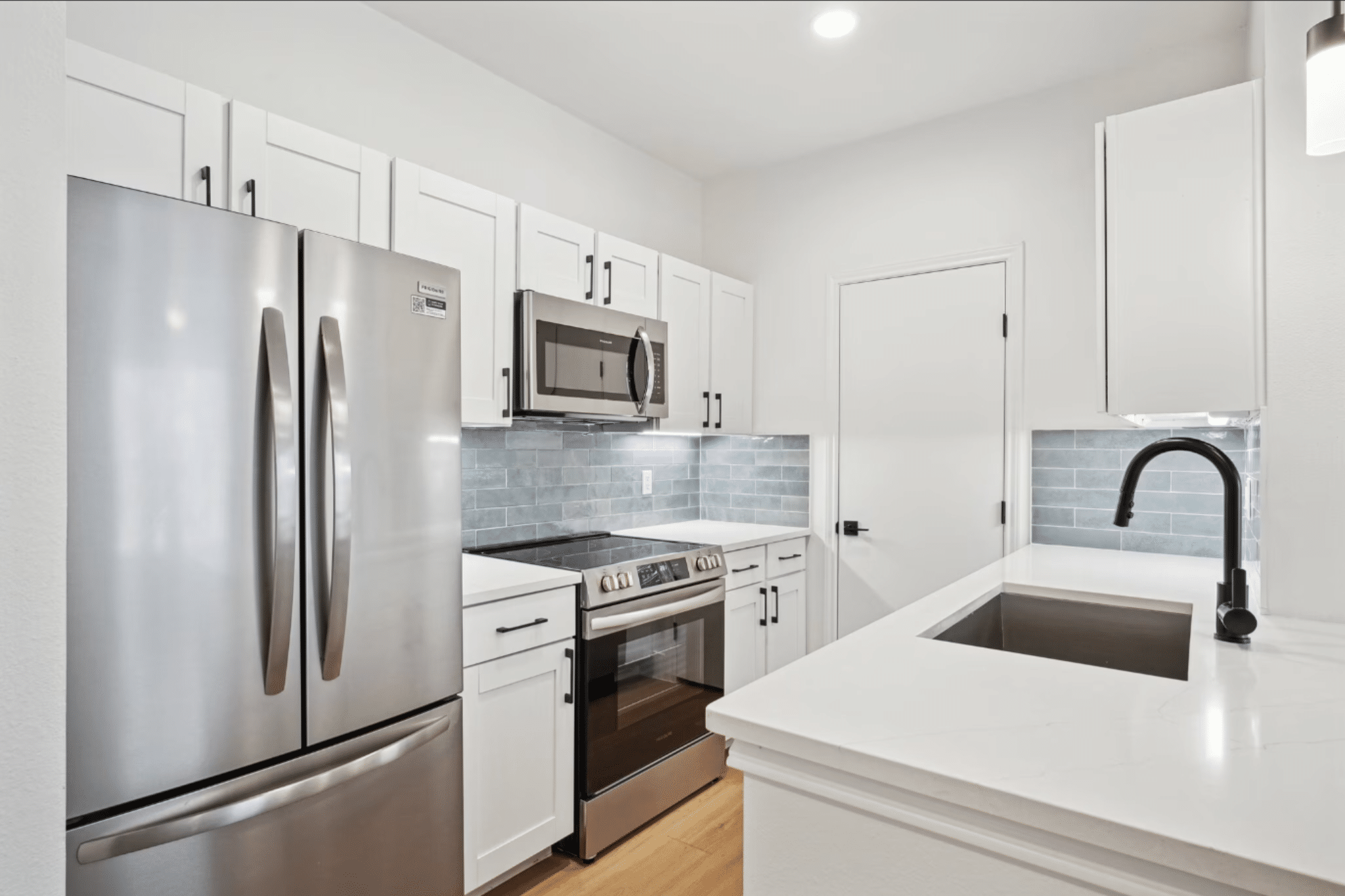
For multifamily communities, the budget may cover apartment interiors, exterior improvements, roofing, shared spaces, or several work categories. Separating these components provides greater visibility into the financial requirements of each.
This process establishes a construction cost framework that ownership can evaluate against its investment strategy.
Define What the Investment Needs to Accomplish
Different renovation projects serve different financial and operational purposes.
A community undergoing repositioning may prioritize improvements that support its intended rental market. Another property may require capital repairs to address aging infrastructure or recurring maintenance concerns.
Owners should identify the expected purpose of each major investment before approving the work.
For example, replacing deteriorated roofing addresses a different property need than upgrading apartment finishes. Both may belong in a capital improvement plan, but ownership will evaluate their value using different considerations.
Asset managers may examine projected revenue, operating expenses, maintenance costs, asset condition, and investment timelines when assessing potential returns.
These financial evaluations remain ownership’s responsibility. Construction estimates and technical information help inform the decisions without establishing or guaranteeing the investment’s financial outcome.
Make Investment Decisions in Today’s Market
Market conditions can influence how multifamily owners approach capital improvements.
The National Apartment Association’s Q2 2026 Apartment Market Pulse reported $22.8 billion in quarterly U.S. multifamily sales volume, a 17.2 percent year-over-year decline. Average sales price per unit remained relatively stable over the same period.
The report also described selective investment activity as borrowing costs and interest rate uncertainty continued to influence market decisions. NAAHQ
For owners, these conditions highlight the importance of evaluating renovation commitments within the broader investment strategy. Financing considerations, available capital, property performance, and intended holding periods may affect which projects receive approval.
Construction planning contributes another perspective. Reliable scope information and cost estimates allow asset managers to assess proposed improvements against their financial assumptions.
Renu provides the construction input necessary for these evaluations while ownership determines the appropriate investment strategy.
Look Beyond the Initial Construction Cost
Purchase price represents only one part of a material or construction decision.
Products may differ in durability, installation requirements, maintenance needs, replacement availability, and expected service life. These differences can influence costs beyond the initial renovation.
Consider flooring in a large multifamily community. A lower-priced product may reduce initial material expenses, but owners must also consider how it performs under regular use and whether maintenance teams can obtain matching replacements.
Cabinetry, plumbing fixtures, exterior materials, and roofing systems present similar considerations.
During preconstruction, Renu can help ownership compare construction alternatives based on project specifications, installation requirements, and available material options.
The objective is not automatically to select the least expensive or most expensive product. It is to identify an option that meets the approved construction requirements and supports the property’s intended use.
Evaluate Procurement Before Committing to Materials
Material availability can affect how a renovation budget translates into actual construction activity.
Certain products may require longer manufacturing periods, specialized installation, or minimum purchasing quantities. These requirements become especially important when renovations involve numerous apartments or multiple buildings.
For example, a community-wide cabinet replacement program may require consistent dimensions, finishes, and hardware across several floor plans. Confirming those specifications before purchasing helps teams identify variations that could affect quantities or installation.
Owners should also consider whether selected products will remain available throughout the renovation program. Material substitutions may require additional review to maintain consistency with the approved specifications.
Renu coordinates procurement requirements with construction planning, helping align purchasing decisions with the work that crews need to complete.
Protect the Budget Through Scope Control
Construction conditions do not always match the information available during initial planning.
Crews may discover concealed deterioration, encounter unforeseen building conditions, or identify work that falls outside the original scope. Ownership may also request changes after construction begins.
Each situation requires a clear process for reviewing the proposed adjustment.
Documenting the condition, identifying the additional work, and evaluating cost implications allow owners to understand the change before authorizing it, subject to applicable project requirements.
For example, removing existing finishes may reveal damaged substrates that require repair before installation can continue. The project team should establish the necessary corrective work and its implications rather than treating the additional activity as part of the original scope without review.
Renu coordinates scope documentation and construction changes with project stakeholders, helping maintain visibility into approved work and subsequent adjustments.
Understand How Construction Time Affects Investment Planning
A renovation schedule influences when ownership commits resources and when individual areas may become available for their intended use.
For apartment interior programs, teams may organize construction around vacant-unit availability or defined renovation phases. Exterior improvements may follow building sections, elevations, or other practical work areas.
Each approach creates different requirements for labor, materials, equipment, and site access.
Schedule planning also helps owners identify activities that depend on earlier work. Roofing repairs, required inspections, and installation of building components may influence when subsequent construction can proceed.
These considerations do not establish a financial return on their own. However, construction timelines provide information that ownership can incorporate into broader financial projections and operational planning.
A realistic schedule should reflect the approved scope, existing conditions, and project-specific requirements rather than relying on assumptions about how quickly the work can finish.
Review Construction Results Against the Approved Scope
Evaluating a renovation investment should also include confirming what the construction project delivered.
During project closeout, ownership can review completed work against the approved scope, identify outstanding construction items, and obtain applicable project documentation.
Quality assurance activities, punch walks, and final corrections help teams address construction requirements before closing the project.
These records establish what work crews completed and provide useful information for future maintenance or renovation phases.
However, construction completion and financial performance are separate measures. Ownership must evaluate actual investment returns using the property’s financial and operating results over the appropriate period.
Renu supports the construction closeout process, providing information about completed renovation activities without making claims about future revenue, occupancy, or asset valuation.
Make Every Renovation Dollar Work Harder
Multifamily renovation ROI begins with clear investment objectives and informed construction decisions. Budget development, material evaluation, procurement, scope control, and project completion each contribute different information that owners can use to manage capital improvements.
The most appropriate approach depends on the property’s condition, financial priorities, and long-term strategy.
Planning your next multifamily capital improvement project? Connect with Renu to turn your renovation priorities into a defined construction plan.