after-hoursAs a renovation general contractor working in the multifamily space, we see the same challenge across markets and asset classes. Owners want to modernize buildings. Property managers want smoother operations. Maintenance teams want fewer recurring issues. And tenants want to stay put without living in a construction zone. Tenant friendly renovations are not about doing less work. They are about doing the right work, in the right order, with the right level of planning. When executed well, apartment upgrades can improve asset value while keeping occupancy stable and teams out of constant firefighting mode.
Table of Contents
ToggleWhy Upgrading While Occupied Requires a Different Approach
Upgrading apartments while occupied is fundamentally different from renovating vacant units. Noise complaints, access issues, schedule slippage, and resident frustration can quickly erode trust and create turnover risk. For investors, this translates into lost revenue. Meanwhile, property managers face daily operational challenges, while maintenance teams respond to more after hours calls and rely on temporary repairs instead of lasting solutions. A multifamily general contractor has to think beyond construction sequencing. We have to understand how residents live in the building and how management teams operate it day to day. Minimizing tenant disruption is not about eliminating inconvenience. It is about controlling it by using simple steps such as staged deliveries, daily cleanup, and realistic work windows.
Start With Renovations That Renters Actually Value
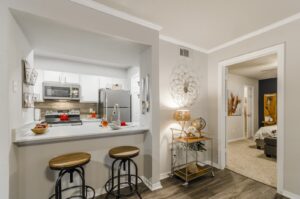
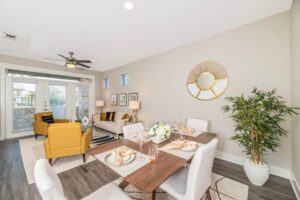
Not every upgrade needs to be disruptive to be effective. In occupied communities, the highest performing apartment upgrades are often the simplest ones. Listing data and on-site experience both show that small, thoughtful improvements can meaningfully improve leasing velocity, resident satisfaction, and day to day operations without forcing vacancy or overwhelming maintenance teams.
Some of the most renter friendly apartment upgrades we see perform well include:
- Updated cabinet hardware and fixtures
Simple swaps such as matte black or brushed finishes modernize kitchens and baths without demolition. These changes refresh the space visually and can often be completed in under an hour per unit. - Lighting improvements
Smart bulbs and energy efficient fixtures improve resident comfort and reduce utility complaints with minimal install time. These upgrades are easy to standardize across units. - Open shelving and storage solutions
Adding shelving in kitchens, baths, or closets increases usable space without taking up square footage. When properly anchored, these upgrades are low risk and high impact. - Fresh paint in modern, neutral tones
Targeted repainting such as accent walls, trim, or entry areas refreshes units without full shutdowns. Neutral palettes also reduce repainting needs during future turnovers. - Bathroom fixture updates
New shower heads, faucets, and vanities improve daily usability while reducing leaks and service calls. These upgrades are especially effective in older assets. - Smart thermostats
These devices improve energy efficiency and resident comfort while reducing HVAC related maintenance issues. Install time is short, and the operational payoff is long term. - Entry door hardware and smart locks
Updated locks improve security, streamline unit access for management, and reduce rekeying costs during turnovers. - Durable flooring transitions and threshold upgrades
Replacing worn thresholds or transitions improves safety, appearance, and reduces trip hazards without replacing full flooring systems. - Window treatments and blackout shades
These upgrades improve privacy and comfort, particularly in urban or mixed-use properties, with minimal disruption. - Kitchen and bath backsplashes using low impact materials
Peel applied or thin profile backsplash systems add visual depth without extended install time or heavy dust generation.
These are upgrades tenants notice immediately. They improve how residents experience their homes without turning occupied buildings into construction sites. For owners and managers, they limit downtime, preserve occupancy, and reduce the need for full unit vacancy while still keeping assets competitive.
Communication as a key Construction Tool
One of the most overlooked tools is clear communication with tenants during renovations. Silence creates anxiety. Unclear schedules create frustration. Last minute access requests damage trust. Here are some recommended multifamily renovation strategies to use:
- Clear schedules by building and floor
- Advance notice for unit access
- Defined work hours and noise expectations
- Point of contact for questions and concerns
When residents understand what is happening and why, complaints drop significantly.
Protect Occupancy and Asset Value at the Same Time
Well-planned, tenant-friendly renovations protect cash flow, reduce vacancies, and keep multifamily properties competitive. At Renu, success means completing projects on schedule, maintaining predictable budgets, and helping property teams operate without constant disruption.
Renovating occupied multifamily properties is not about shortcuts. It requires discipline, coordination, and respect for the people who call these communities home. When renovations are planned thoughtfully, properties improve without sacrificing occupancy or resident satisfaction.
Planning an occupied renovation? See how Renu delivers resident-focused renovations that keep your property performing at every stage of the project.
#ApartmentRenovationCompany #GeneralContractors #MultifamilyRenovations #RealEstate #MultifamilyGeneralContractors #MultifamilyRenovationCompany #MultifamilyApartments