Water damage can disrupt multifamily operations with little warning. A burst pipe, sprinkler system failure, roof leak, or severe storm can affect apartment interiors, shared spaces, and essential building systems. For property owners and management teams, the challenge begins with addressing immediate concerns while understanding how the incident may affect the community.
Effective water damage cleanup in Dallas requires a structured approach to water removal, moisture management, and subsequent repairs. Each stage addresses different conditions that influence how the property moves toward recovery.
Renu provides water damage mitigation and reconstruction services in Dallas, helping multifamily owners address immediate damage and plan the construction work necessary to restore affected spaces.
Table of Contents
ToggleIdentify the Water Source and Immediate Priorities
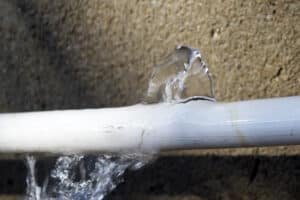
The first priority after a water damage incident involves locating the source and determining whether water continues to enter the building. Active leaks may require plumbing repairs, equipment shutdowns, or other corrective measures before cleanup can proceed.
Property teams must also recognize potential safety concerns. Water near electrical equipment, damaged ceiling assemblies, or contaminated areas may create hazards. When these conditions arise, management should restrict access and contact qualified professionals to evaluate the situation.
For multifamily communities, the initial response should establish which apartments, common areas, and building systems may need attention. Maintenance records, incident reports, and observations from onsite personnel can help establish when the problem began and what actions the team has already taken.
Documenting these details creates a record of the incident and gives response personnel useful information before they begin onsite activities.
Understand Water Damage Risks in Dallas
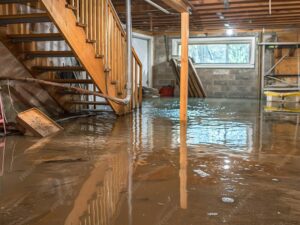
Dallas multifamily properties face water exposure from internal building failures and regional weather conditions. Heavy rainfall and severe thunderstorms can place additional demands on roofing, drainage systems, and exterior building assemblies.
The National Weather Service Fort Worth/Dallas provides regional weather information and alerts that property teams can use to monitor conditions affecting their communities.
During significant rainfall, water may enter through damaged roof components, exterior openings, or areas with obstructed drainage. Properties with multiple buildings can experience different exposure conditions depending on roof configuration, site grading, and drainage capacity.
Cold weather creates another concern. Freezing temperatures can damage exposed or inadequately protected plumbing, allowing water to escape when pipes rupture or temperatures rise.
Understanding these regional risks helps owners recognize potential vulnerabilities within their communities. Previous maintenance records and known building conditions can also provide useful context when evaluating an incident.
What Happens During Water Damage Cleanup?
After personnel address immediate hazards and control the water source, cleanup focuses on removing accumulated water and managing moisture within affected building materials.
Renu’s water damage mitigation services include water extraction, moisture assessment, structural drying, and ongoing monitoring.
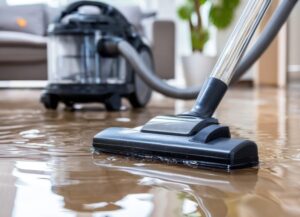
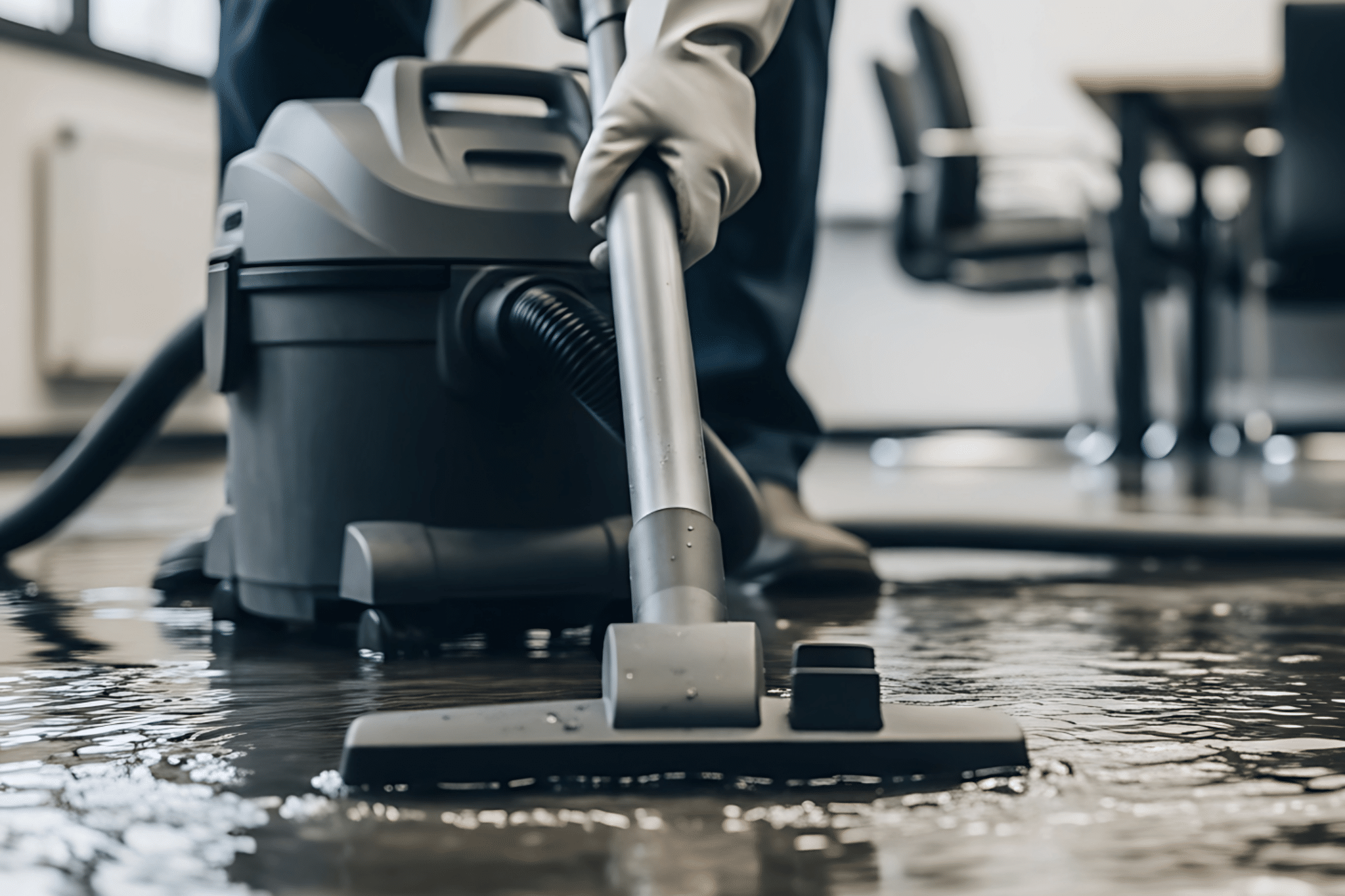
Extraction equipment removes standing water from accessible areas. However, water can also penetrate porous materials and collect within building assemblies. These conditions often require additional drying measures beyond surface extraction.
Technicians may use air movers and dehumidifiers to support controlled drying. Moisture meters measure conditions within affected materials, while thermal imaging can help identify areas that warrant further investigation.
Water classification also influences cleanup procedures. Water from a clean supply line may present different concerns than water exposed to sewage or other contaminants. Qualified personnel evaluate these conditions to determine suitable treatment methods and protective measures.
Throughout the drying process, technicians track moisture readings to assess progress. These measurements help them determine whether materials have reached appropriate drying objectives or need additional attention.
The resulting information supports decisions about material conditions and the repairs that may follow.
Evaluate Materials Beyond Visible Damage
Once the response team establishes moisture conditions, attention turns to the physical condition of individual building materials.
Drywall, insulation, flooring, cabinetry, and interior finishes respond differently to water exposure. Material composition, contamination, deterioration, and accessibility can influence whether a component remains suitable for continued use.
For example, some nonporous surfaces may allow cleaning and retention. In contrast, contamination or significant deterioration may require technicians to remove certain porous materials rather than attempt further treatment.
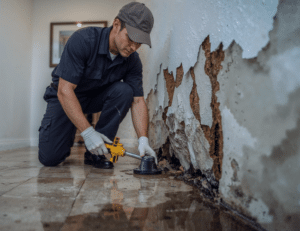
Concealed building assemblies also require careful consideration. Water can collect beneath flooring, behind cabinets, or inside wall cavities without leaving obvious surface damage. Targeted investigation helps professionals determine whether these areas require drying access, material removal, or further evaluation.
Water exposure may also affect electrical components, HVAC equipment, and structural elements. Qualified specialists should assess these systems when conditions indicate potential damage.
Documenting the findings helps establish which materials can remain and which require replacement. Owners can then use this information to understand the proposed reconstruction scope and the reasons behind specific repair recommendations.
Coordinate Repairs and Interior Reconstruction
Once affected areas meet applicable reconstruction requirements, construction teams can begin restoring damaged building components.
The scope may include plumbing, electrical, or mechanical repairs, structural work, drywall replacement, flooring installation, cabinetry, and interior finishes. Renu’s property restoration services support the reconstruction of damaged multifamily spaces.
Construction teams must consider how individual activities affect the next stage of work. For example, crews may need to replace damaged piping before closing wall assemblies. Electrical repairs may require professional evaluation and applicable inspections before workers install interior finishes.
When roof damage contributes to water intrusion, teams should address the necessary exterior repairs before rebuilding affected ceilings and interiors. This sequence helps avoid installing new materials while unresolved water-entry conditions remain.
Material selection also requires attention. Replacement flooring, cabinetry, and finishes may need to match existing installations, particularly when the project affects only part of an apartment or shared space.
By establishing these requirements before installation, Renu can coordinate reconstruction activities around the approved scope and the property’s existing conditions.
Consider Residents and Property Operations
Water damage recovery often takes place while unaffected portions of a multifamily community continue operating. This creates practical considerations for residents, property personnel, and construction teams.
Property management must determine how residents and workers will access affected spaces. Depending on the incident, temporary restrictions may involve apartments, corridors, parking areas, or shared facilities.
Construction teams can provide details about work locations, equipment placement, material deliveries, and activities that may affect daily operations. Property managers can use this information to prepare resident communications and coordinate access arrangements.
Noise, temporary utility interruptions, and restricted walkways may also influence how teams organize the work. For larger incidents, separating active construction areas from unaffected spaces can help support continued property operations where conditions permit.
Renu works with property teams to coordinate construction access and scheduling while accounting for the needs of occupied multifamily communities.
What Should Owners Expect Before Recovery Is Complete?
Project closeout helps owners confirm the status of completed construction activities and identify any outstanding requirements before affected spaces return to use.
Depending on the scope, construction teams may conduct punch walks, address remaining corrections, complete site cleanup, and assemble relevant project documentation. Qualified professionals and applicable authorities handle inspections and approvals within their respective responsibilities.
Project records may include moisture monitoring results, material replacement details, inspection documentation, and information about completed repairs. Property management can retain these records for maintenance planning and future reference.
Before reopening affected areas, owners should confirm which activities have concluded and whether any restrictions or outstanding requirements remain. This review helps distinguish completed construction work from any additional steps necessary for normal operations.
Renu supports the transition from reconstruction to project closeout through construction coordination and documentation appropriate to the work performed.
Address the Damage. Plan the Recovery.
Water damage recovery requires owners to address immediate moisture conditions while making informed decisions about repairs and reconstruction. Understanding the purpose of each stage helps multifamily management teams establish realistic expectations for restoring affected spaces.
For Dallas properties, connecting water damage response with the necessary rebuilding work provides a clearer path from the initial incident toward renewed property operations.
Managing water damage at your Dallas multifamily property? Connect with Renu to discuss