As we move into 2026, multifamily owners and operators are taking a harder look at where renovation dollars actually make a difference. Rising operating costs, tighter underwriting, and more selective renters mean upgrades can no longer be cosmetic or reactive. Renovations need to solve real problems. They need to reduce maintenance strain, support leasing velocity, and protect asset value over the long term. Our team of contractors have been seeing this pattern across markets. Apartment renovation companies that renovate with a clear purpose outperform those that chase trends without a plan. The most successful upgrades focus on durability, efficiency, and daily livability rather than short lived design features.
Table of Contents
ToggleWhy Strategic Upgrades Matter for Multifamily Properties
Strategic multifamily renovations and upgrades help enhance rental demand and enhance how the property actually functions day to day. They anticipate wear and tear, reduce energy and water use, and support modern living patterns. For owners and managers, this means fewer surprises and adaptation of modern lifestyle patterns.
Expert Recommended Multifamily Upgrades for the New Year
Below are the multifamily upgrades shaping smarter renovation decisions heading into the new year.
- Exterior Refreshes That Improve First Impressions
Exterior upgrades continue to deliver strong returns when done thoughtfully. Fresh color palettes, updated signage, and improved lighting immediately elevate curb appeal. More importantly, modern exterior coatings and finishes extend maintenance cycles.Neutral, contemporary colors paired with durable materials help properties stand out without locking them into dated design choices. Exterior lighting upgrades also improve safety, which directly affects resident satisfaction and retention. - Outdoor Spaces Designed for Daily Use
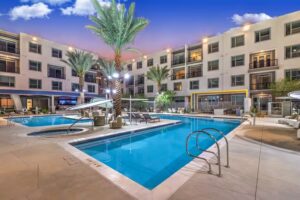
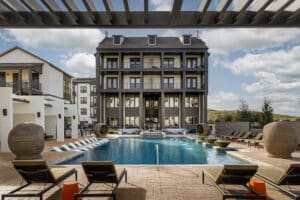
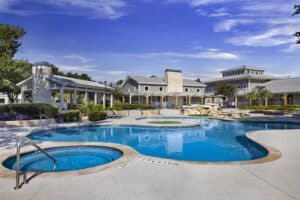
Outdoor spaces are no longer an afterthought. Residents want usable spaces, not just pretty landscaping. The simple addition of shaded seating areas, improved walkways with character, and defined gathering spaces greatly enhances daily interaction with the property. We recommend that outdoor upgrades must be done using low maintenance materials and clear drainage planning. Poorly executed outdoor spaces often become long-term maintenance headaches. Done right, they become assets that support leasing without increasing workload. - Common Areas That Support Community and Operations
Lobbies, corridors, and shared areas frame impressions and daily life experience. Outdated finishes and poor lighting signal deferred maintenance to prospective residents. Upgrading common areas with durable flooring, efficient lighting, and functional seating enhances the looks and the durability. These spaces should be easy to clean, resistant to damage, and able to handle high traffic without constant repairs. - Shared Workspaces That Reflect How Residents Live Today
Remote and hybrid work continue to influence renter expectations. Converting underused rooms into shared workspaces is one of the most cost-effective upgrades available. Successful coworking spaces balance open tables with quieter zones and reliable power access. From a construction standpoint, durable flooring and sound control matter more than high end finishes. These spaces should be flexible and easy to adapt as usage evolves. - Energy Efficiency Upgrades That Lower Long-Term Costs
Energy efficiency remains one of the most impactful renovation categories. Window replacements, HVAC upgrades, and improved insulation reduce utility costs and improve resident comfort. These upgrades also reduce complaints related to temperature control and air quality. For owners, they stabilize operating expenses. For maintenance teams, modern systems reduce emergency calls and extend equipment life. - Eco Conscious Materials That Hold Up Over Time
Sustainable materials are no longer niche. Recycled flooring, reclaimed wood accents, and durable composite surfaces perform well in high use environments. From a contractor perspective, the best eco-friendly materials are those that reduce replacement frequency. Sustainability is most effective when it aligns with durability and lifecycle cost control rather than just aesthetics. - Smarter Utilities and Infrastructure Improvements
Outdated appliances and unreliable internet infrastructure are common sources of resident dissatisfaction. Upgrading to efficient appliances and ensuring property wide high-speed connectivity is increasingly essential. These upgrades reduce service requests and support modern lifestyles. Reliable utilities also help leasing teams compete without over promising amenities that strain operations. - Interior Finishes That Balance Appeal and Maintenance
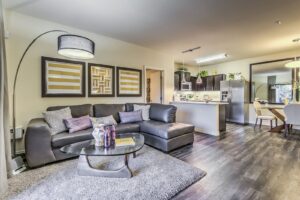
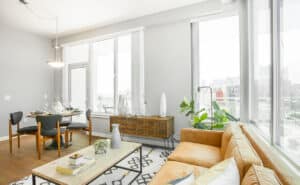
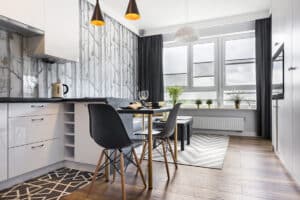
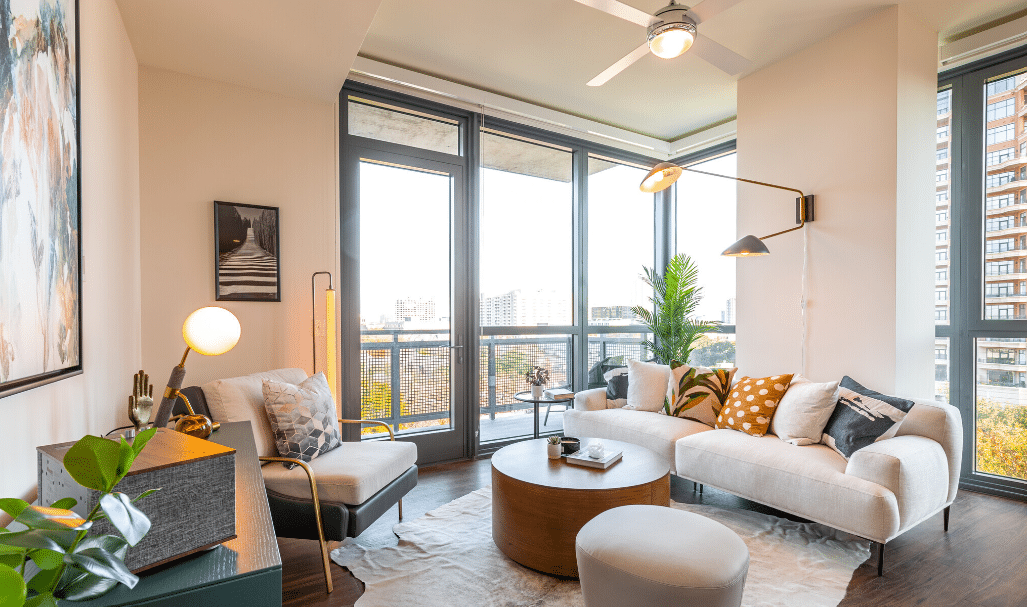
Interior upgrades should focus on finishes that wear well. Luxury vinyl plank flooring, neutral paint palettes, and updated fixtures offer strong visual impact without increasing maintenance burden. The goal is not only luxury, but also consistency, durability, and ease of turnover. Properties that standardize interior finishes simplify inventory management and reduce unit downtime.
Renovating With Purpose Sets the Tone for 2026
The most effective multifamily renovations are not driven by trends alone. They are guided by how buildings are used, maintained, and experienced every day. Purpose driven upgrades reduce friction for owners, managers, and maintenance teams while creating spaces residents want to stay in. As we enter the new year, real estate experts at Renu highly recommend that the focus should be on renovations that last, perform, and support the full lifecycle of the property.
#MultifamilyRenovations #NewYearUpgrades #GeneralContractors #MultifamilyUpgrades #RealEstate #Phoenix #LasVegas #Dallas #LosAngeles #RenovationContractors #Apartments