
secure

Multifamily Renovation Guide

Multifamily Renovation Guide

Expert strategies, cost breakdowns, and proven methods to maximize ROI on multifamily apartment building renovations.

1. Introduction to Multifamily Renovations

Multifamily property renovations represent one of the most effective strategies for increasing property value, attracting quality tenants, and maximizing long-term returns on investment. Whether you own a duplex, apartment complex, or large-scale multifamily community, strategic renovations can transform your property’s performance and market position.

The multifamily renovationmarket has evolved significantly in recent years. Property owners are increasingly recognizing that well-executed renovations can deliver returns of 20-40% or more, particularly when focused on high-impact improvements that justify rent increases and reduce vacancy rates.

Key Insight: According to industry data, multifamily properties that undergo strategic renovations see an average rent increase of $150-$400 per unit monthly, with payback periods typically ranging from 3-7 years depending on scope and market conditions.

At Renu, we specialize in helping multifamily property owners navigate the renovation process from initial assessment through completion. Our approach focuses on maximizing value while minimizing disruption to existing tenants and maintaining strong occupancy rates throughout the project.

Why Invest in Multifamily Renovations?

  • Increased Property Value: Strategic renovations can increase property valuations by 15-30% or more
  • Higher Rent Premiums: Updated units command significantly higher rents in competitive markets
  • Reduced Vacancy: Modern, well-maintained properties attract and retain quality tenants
  • Lower Operating Costs: Energy-efficient upgrades reduce utility expenses and maintenance costs
  • Competitive Advantage: Stand out in crowded rental markets with superior amenities and finishes
  • Deferred Maintenance Prevention: Proactive renovations prevent costly emergency repairs

2. Types of Multifamily Renovations

Understanding the different types of renovations available helps property owners make informed decisions about where to invest their capital for maximum impact.

Interior Unit Renovations

Interior unit upgrades typically deliver the highest ROI and are the most common type of multifamily renovation.

Kitchen Renovations

  • Cabinet replacement or refacing with modern styles
  • Granite, quartz, or engineered stone countertops
  • Stainless steel appliance packages
  • Updated lighting fixtures and under-cabinet lighting
  • Modern backsplashes and flooring
  • Energy-efficient appliances to reduce utility costs

Bathroom Upgrades

  • Vanity and sink replacements
  • Modern tile work and surrounds
  • Upgraded fixtures and hardware
  • Improved lighting and ventilation
  • Low-flow fixtures for water conservation

Flooring & Finishes

  • Luxury vinyl plank (LVP) flooring – most popular choice for durability and aesthetics
  • Carpet replacement in bedrooms
  • Fresh paint with modern, neutral color palettes
  • Updated baseboards, trim, and doors
  • Ceiling texture updates or removal

Common Area Improvements

Common areas create the critical first impression for prospective tenants and set the tone for the entire property.

  • Lobby & Entry Renovations: Modern flooring, updated lighting, fresh paint, mailbox systems
  • Hallway Updates: New flooring, lighting, paint, and wall protection systems
  • Fitness Centers: Equipment upgrades, rubber flooring, mirrors, and ventilation improvements
  • Clubhouses & Leasing Offices: Contemporary furniture, technology upgrades, and welcoming designs
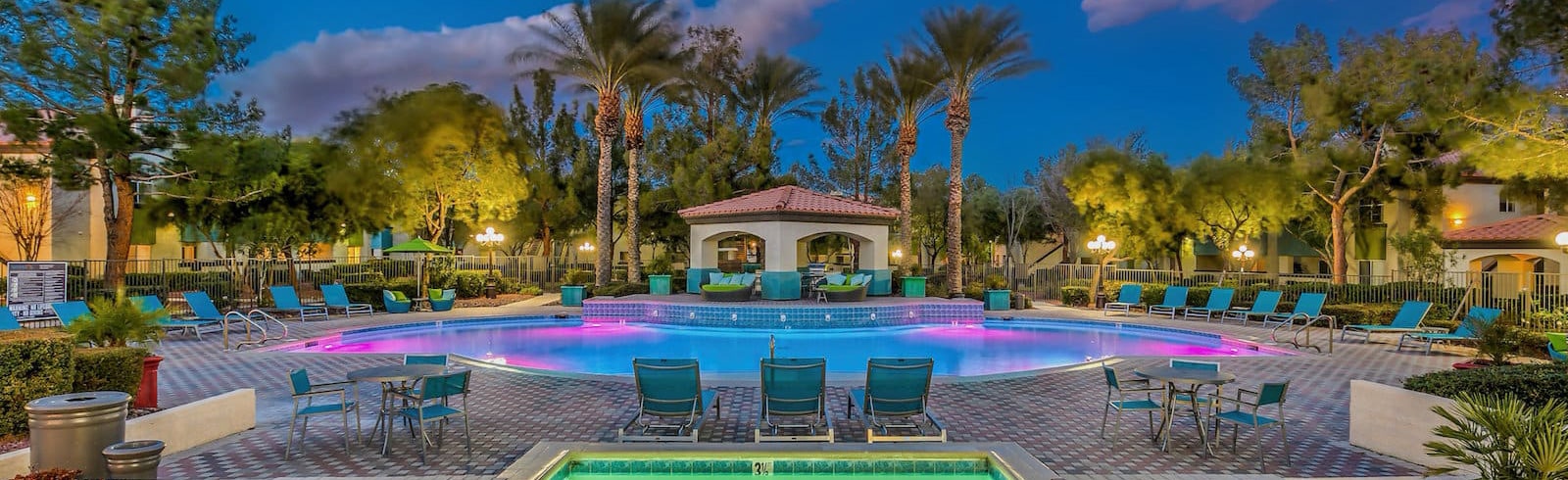
  • Pool & Outdoor Areas: Deck resurfacing, furniture replacement, landscaping enhancements

Exterior Improvements

Exterior renovations enhance curb appeal and protect the building structure from weather-related damage.

  • Siding replacement or repair
  • Roof replacement with energy-efficient materials
  • Window and door upgrades for energy efficiency
  • Balcony and walkway repairs or replacements
  • Parking lot resurfacing and striping
  • Landscaping and irrigation system improvements
  • Exterior lighting upgrades for safety and aesthetics
  • Signage and wayfinding updates

Mechanical & Infrastructure Updates

While less visible, these improvements can significantly impact operating costs and property value.

  • HVAC Systems: High-efficiency units, smart thermostats, zone control systems
  • Plumbing: Pipe replacement, water heater upgrades, leak detection systems
  • Electrical: Panel upgrades, outlet additions, EV charging station installation
  • Energy Efficiency: Insulation improvements, LED lighting, solar panel installation
  • Security Systems: Access control, cameras, smart locks, video intercoms
  • Internet & Technology: Fiber optic infrastructure, WiFi systems, smart building technology

Amenity Additions

Adding new amenities can differentiate your property in competitive markets.

  • Dog parks and pet washing stations
  • Coworking spaces and business centers
  • Package lockers and delivery systems
  • Outdoor grilling and entertainment areas
  • Bike storage and repair stations
  • Community gardens
  • On-site storage units

3. Renovation Process & Timeline

A successful multifamily renovation requires careful planning, coordination, and execution. Understanding the process helps property owners set realistic expectations and prepare for each phase.

Phase 1: Initial Assessment & Planning (2-4 Weeks)

Property Evaluation

The renovation process begins with a comprehensive property assessment:

  • Physical inspection of all units and common areas
  • Documentation of current conditions with photos and notes
  • Identification of deferred maintenance issues
  • Assessment of building systems and infrastructure
  • Review of current rent rolls and market positioning

Market Analysis

  • Competitive property analysis in your submarket
  • Rental rate comparisons for renovated vs. non-renovated units
  • Identification of high-value amenities in your market
  • Tenant demographic and preference research

Budget Development

  • Detailed cost estimates for all proposed improvements
  • Contingency planning (typically 10-15% of total budget)
  • Financing options and analysis
  • ROI projections and payback period calculations

Phase 2: Design & Planning (3-6 Weeks)

During this phase, the renovation vision becomes concrete:

  • Architectural and design plan development
  • Material and finish selections
  • Unit mix strategy (which units to renovate and in what order)
  • Tenant communication planning
  • Permitting requirements assessment
  • Contractor selection and vetting

Pro Tip: Create model units showing the renovation quality before beginning full-scale work. This helps with leasing, validates design choices, and can be used to train renovation crews on quality standards.

Phase 3: Permitting & Approvals (2-8 Weeks)

Timeline varies significantly based on jurisdiction and project scope:

  • Building permit applications and approvals
  • Electrical, plumbing, and mechanical permits as needed
  • HOA or condo association approvals if applicable
  • Historic preservation approvals in designated areas
  • Environmental assessments for certain improvements

Phase 4: Execution (Varies by Scope)

Occupied Unit Renovations

Timeline per unit: 5-15 days depending on scope

  • Coordinate with tenants for temporary relocation if needed
  • Complete renovations during lease turnover when possible
  • Minimize disruption with efficient scheduling
  • Daily cleanup to maintain livability
  • Quality inspections at key milestones

Vacant Unit Renovations

Timeline per unit: 3-10 days for standard scope

  • Faster execution without tenant considerations
  • Ability to work longer hours
  • Opportunity to complete multiple units simultaneously

Common Area Renovations

Timeline: 2-12 weeks depending on scope

  • Often scheduled during off-peak hours
  • Phased approach to maintain partial amenity access
  • Strategic timing around seasonal demands

Phase 5: Quality Control & Completion (Ongoing)

  • Regular site inspections during construction
  • Punch list development and completion
  • Final walkthrough and approval
  • Warranty documentation and transfer
  • Tenant move-in coordination for renovated units

7-10

Days per unit renovation

3-6

Months for full property

95%+

Occupancy maintained

Tenant Management Strategies

Maintaining positive tenant relationships during renovations is crucial:

  • Clear Communication: Provide advance notice of all work, timelines, and impacts
  • Temporary Relocation: Offer hotel accommodations for major unit work
  • Rent Concessions: Consider temporary rent reductions during significant disruptions
  • Amenity Alternatives: Provide substitute facilities when primary amenities are offline
  • Regular Updates: Weekly progress reports and accessible project management
  • Appreciation Gestures: Thank tenants for patience with small gifts or events

4. Best Practices & Strategies

Successful multifamily renovations require more than just good design and quality materials. These proven best practices help ensure projects stay on time, on budget, and deliver maximum value.

Strategic Planning Best Practices

1. Start with Market Research

Before making renovation decisions, thoroughly understand your market:

  • Tour competing properties to see what amenities and finishes they offer
  • Analyze rental rate differences between renovated and non-renovated units
  • Identify gaps in the market that your renovations could fill
  • Survey current tenants about desired improvements
  • Review demographic trends in your submarket

2. Prioritize High-ROI Improvements

Not all renovations deliver equal returns. Focus on improvements that tenants notice and value:

  • Highest ROI: Kitchen upgrades, modern flooring, fresh paint, updated lighting
  • Medium ROI: Bathroom updates, energy-efficient appliances, smart home features
  • Lower ROI (but important): Plumbing/electrical infrastructure, HVAC systems
  • Variable ROI: Amenities (depends heavily on local market preferences)

3. Create a Phased Approach

Best Practice: Renovate 10-20% of units first as a pilot program. This allows you to test design choices, refine the process, validate rent increase assumptions, and make adjustments before committing to the full property.

Execution Best Practices

Contractor Management

  • Obtain multiple bids from licensed, insured contractors
  • Check references and review past multifamily projects
  • Establish clear quality standards and expectations upfront
  • Use detailed contracts with defined scopes, timelines, and payment schedules
  • Implement regular inspection protocols
  • Maintain open communication channels
  • Address issues immediately before they compound

Material Selection Strategies

  • Durability First: Choose materials designed for rental properties, not just aesthetics
  • Bulk Purchasing: Negotiate discounts for large quantity orders
  • Standardization: Limit SKUs for easier maintenance and replacement
  • Supply Chain Planning: Order long-lead items early to avoid delays
  • Quality vs. Cost Balance: Mid-range materials often offer the best value proposition

Recommended Material Choices for Multifamily

  • Flooring: Luxury vinyl plank (waterproof, durable, attractive)
  • Countertops: Quartz (durable, low maintenance) or granite
  • Cabinets: Plywood box construction with quality hardware
  • Paint: Premium-grade with higher sheen for easier cleaning
  • Carpet: Commercial-grade with stain resistance
  • Fixtures: Mid-range brands known for reliability

Tenant Retention During Renovations

Communication Protocol

  • Provide 30+ day notice for unit renovations
  • Explain the benefits tenants will receive
  • Offer clear timelines and daily work schedules
  • Establish a dedicated point of contact for questions/concerns
  • Send progress updates via email or tenant portal
  • Be transparent about rent increase plans

Minimizing Disruption

  • Schedule noisy work during business hours (9am-5pm)
  • Complete work in occupied units within 5-7 days when possible
  • Provide temporary alternative amenity access
  • Ensure hallways and common areas are clean daily
  • Offer rent credits for significant inconveniences
  • Consider temporary relocation assistance for major unit work

Quality Control Systems

Inspection Checkpoints

  • Pre-work Inspection: Document existing conditions with photos
  • Mid-work Inspection: Verify framing, plumbing, electrical before closing walls
  • Pre-finish Inspection: Check installation quality before final finishes
  • Final Walkthrough: Complete punch list before contractor payment
  • 30-Day Follow-up: Address any issues that emerge after completion

Quality Standards Checklist

  • Paint: No drips, even coverage, clean lines at trim
  • Flooring: Proper transitions, no gaps, level installation
  • Cabinetry: Level installation, smooth operation, proper alignment
  • Plumbing: No leaks, proper water pressure, correct drainage
  • Electrical: All outlets functional, proper grounding, code compliance
  • HVAC: Proper temperature control, quiet operation, clean filters

Risk Mitigation Strategies

  • Budget Contingency: Maintain 10-15% contingency for unexpected issues
  • Timeline Buffer: Add 15-20% time buffer to all schedules
  • Insurance Coverage: Ensure contractor carries adequate liability and workers’ comp
  • Permit Compliance: Never skip required permits to avoid costly corrections
  • Documentation: Photograph all work stages for warranty and dispute resolution
  • Change Order Process: Require written approval for all scope changes

Sustainability & Energy Efficiency

Green renovations can reduce operating costs while appealing to environmentally conscious tenants:

  • LED lighting throughout (75% energy savings vs. incandescent)
  • Low-flow plumbing fixtures (reduce water usage by 30-50%)
  • Energy Star appliances (15-30% more efficient)
  • Programmable/smart thermostats (10-15% HVAC savings)
  • Improved insulation in attics and walls
  • High-efficiency windows (reduce heat loss/gain)
  • Solar panel installation where feasible

5. ROI & Value-Add Strategies

Maximizing return on investment requires strategic thinking beyond just completing renovations. The most successful multifamily investors understand how to position their improvements for maximum impact.

Rent Optimization Strategies

Strategic Rent Increases

How you implement rent increases can significantly impact tenant retention and NOI:

  • Phase Increases Gradually: Consider phasing rent increases over 12-18 months rather than one large jump
  • Justify with Value: Clearly communicate what improvements tenants are receiving
  • Market Testing: Test rent increases on turnover units first to validate assumptions
  • Premium for Choice: Allow existing tenants first choice of renovated units at new rates
  • Retention Incentives: Offer slightly lower increases to high-quality existing tenants

Data Point: Properties that renovate units during natural turnover (rather than forcing tenant displacement) typically maintain 90%+ occupancy versus 70-80% for forced renovation programs.

Rent Increase Benchmarks by Renovation Level

  • Cosmetic Refresh ($3-6K): $50-100/month (20-30% increase in older properties)
  • Moderate Upgrade ($8-15K): $150-250/month (25-40% increase)
  • Full Renovation ($18-30K): $300-500/month (40-60% increase)
  • Luxury Conversion ($35-60K+): $500-800+/month (60-100%+ increase)

Property Valuation Impact

Understanding Cap Rate Compression

Renovations impact property value through two mechanisms:

  • Increased NOI: Higher rents minus any increased expenses
  • Cap Rate Compression: Renovated properties often trade at lower cap rates (higher valuations)

Valuation Example:

50-unit property, pre-renovation:

  • Average rent: $1,000/month
  • Gross annual income: $600,000
  • Expenses (50%): $300,000
  • NOI: $300,000
  • Cap rate: 6.5%
  • Property value: $4,615,000

Post-renovation with $250/month rent increase:

  • Average rent: $1,250/month
  • Gross annual income: $750,000
  • Expenses (52% due to higher maintenance): $390,000
  • NOI: $360,000
  • Cap rate: 6.0% (compression due to improved quality)
  • Property value: $6,000,000

Value created: $1,385,000 on $600,000 investment = 231% ROI

Financing Strategy for Maximum Returns

Leverage Optimization

  • Use value-add bridge loans to fund renovations
  • Refinance after stabilization to pull out equity
  • Time refinancing when property reaches 90%+ occupancy at new rents
  • Consider supplemental financing for staged projects

Tax Benefits

  • Bonus Depreciation: Accelerate depreciation on personal property improvements
  • Cost Segregation: Separate components for faster depreciation schedules
  • Section 179: Immediate expensing of certain improvements
  • Energy Credits: Tax credits for energy-efficient upgrades
  • Historic Tax Credits: For qualifying historic properties

Strategic Timing Considerations

Market Cycle Timing

  • Peak Market: Renovate to maintain competitive position and maximize rents
  • Downturn: Opportunity to renovate at lower costs with contractor availability
  • Recovery: Best time for value-add – renovate before competition
  • Expansion: Focus on premium upgrades as market strengthens

Seasonal Considerations

  • Spring: Best time to market newly renovated units (peak leasing season)
  • Summer: Complete work before fall/winter move-in season
  • Fall/Winter: Good time for interior work and planning
  • Year-Round: Common area improvements can happen anytime

Exit Strategy Planning

Maximizing Sale Price

If planning to sell post-renovation:

  • Achieve 90%+ stabilized occupancy before listing
  • Show 6-12 months of consistent rent collection at new rates
  • Complete all punch list items and deferred maintenance
  • Organize documentation: permits, warranties, before/after photos
  • Prepare detailed renovation cost breakdown for buyers
  • Time sale for optimal market conditions

Hold Strategy Optimization

For long-term holds:

  • Reinvest cash flow into ongoing improvements
  • Establish reserves for future capital needs (3-5% of gross income)
  • Plan next renovation cycle (typically 7-10 years)
  • Monitor market for amenity trends and stay competitive
  • Build strong property management systems

18-30%

Typical annual ROI

3-7

Years payback period

25-40%

Property value increase

6. Frequently Asked Questions

Q: How long does a typical multifamily renovation take?

A: Timeline varies by scope and property size. Individual unit renovations typically take 5-10 days for moderate upgrades and 10-15 days for complete renovations. Full property renovations usually span 3-12 months, depending on the number of units, whether renovations happen during turnover or require tenant relocation, and the complexity of improvements. Common area renovations can often happen simultaneously with unit work.

Q: Should I renovate occupied units or wait for turnover?

A: Waiting for natural turnover is generally preferred as it minimizes tenant disruption, avoids temporary relocation costs, and maintains better tenant relations. However, this approach takes longer to complete the full property. Renovating occupied units can accelerate the timeline but requires excellent communication, potential rent concessions during work, and sometimes temporary relocation accommodations. Many successful projects use a hybrid approach: renovating turnover units first while planning occupied unit renovations for later phases.

Q: What’s the minimum renovation investment that makes sense?

A: The minimum viable renovation typically starts around $5,000-7,000 per unit for cosmetic improvements (paint, flooring, light fixtures, hardware). However, ROI improves significantly with $10,000-15,000 per unit investments that include kitchen and bathroom updates. Properties in strong markets can justify $20,000-30,000+ per unit for complete renovations. The key is ensuring your projected rent increase justifies the investment with a payback period of 7 years or less.

Q: How much can I increase rents after renovation?

A: Rent increases depend on your market, renovation scope, and starting rent levels. As a general guide: light cosmetic updates ($5-7K) might justify $75-150/month increases; moderate upgrades ($10-15K) typically support $200-300/month increases; and full renovations ($20-30K) can command $350-600/month premiums. Always compare to similar renovated units in your market. The percentage increase is often higher in older, under-market properties (40-60%) versus already well-maintained properties (15-25%).

Q: What renovations provide the best ROI?

A: Kitchen upgrades consistently deliver the highest returns, particularly new cabinets, countertops, and stainless appliances. Modern flooring (especially luxury vinyl plank) also provides excellent ROI. Fresh paint with contemporary colors, updated lighting, and new bathroom vanities round out the top improvements. Energy-efficient upgrades (LED lighting, low-flow fixtures, efficient appliances) provide ongoing operational savings. Amenities vary by market but dog parks, fitness centers, and outdoor entertainment areas typically perform well.

Q: Do I need to get permits for multifamily renovations?

A: Permit requirements vary by jurisdiction and scope of work. Generally, cosmetic improvements (paint, flooring, countertops) don’t require permits. However, you’ll need permits for electrical work, plumbing changes, structural modifications, HVAC replacement, and most exterior work. Kitchen or bathroom relocations always require permits. Skipping required permits can result in fines, forced corrections, difficulty selling the property, and liability issues. Always check with your local building department and err on the side of obtaining permits when uncertain.

Q: How do I maintain occupancy during renovations?

A: Key strategies include: communicating renovation plans early and often; offering rent concessions or lease extensions to tenants affected by disruptions; maintaining clean common areas throughout the project; scheduling noisy work during business hours; completing unit work quickly (under 10 days when possible); showing model units to demonstrate end results; providing alternative amenity access when primary facilities are offline; and addressing tenant concerns promptly. Properties that execute well typically maintain 90-95% occupancy during renovations.

Q: Should I renovate all units to the same standard?

A: Most successful projects use a consistent renovation package across all units for several reasons: simplified maintenance (standardized parts and materials); easier marketing (clear unit types and pricing); perceived fairness among tenants; and streamlined contractor workflow. However, some properties create tiered options (Classic, Upgraded, Premium) to appeal to different tenant preferences and price points. If using tiers, clearly differentiate the offerings and price accordingly.

Q: What’s the difference between renovating Class B versus Class C properties?

A: Class C properties (older, lower-income areas) typically require more basic renovations focusing on functionality and durability. Investment is often $8,000-15,000 per unit with rent increases of $100-250/month. Class B properties (middle-market) can support moderate to high-end finishes with $12,000-25,000 per unit investments and $250-450/month rent increases. Class B renovations often include more design elements and premium finishes. The key difference is matching renovation quality to market expectations and rent-paying capacity.

Q: How do I choose between different flooring options?

A: For multifamily renovations, luxury vinyl plank (LVP) has become the dominant choice for living areas because it’s waterproof, durable (resistant to scratches and dents), affordable ($3-6 per sq ft installed), attractive (realistic wood looks), and easy to maintain. Carpet remains popular for bedrooms due to comfort and noise reduction. Hardwood is rarely used due to cost and maintenance concerns. Tile works well for bathrooms and sometimes kitchens. Most successful projects use LVP throughout main living spaces with carpet in bedrooms only.

Q: What contingency budget should I plan for?

A: Budget 10-15% contingency for typical renovations and 15-20% for older properties or more complex projects. Common unexpected costs include: hidden water damage, outdated electrical systems that need upgrading, plumbing issues behind walls, structural concerns, code compliance requirements, material price increases, and extended timelines. Having adequate contingency prevents project delays when issues arise. Track contingency usage closely and adjust the remaining project scope if needed.

Q: Can I manage renovations myself, or should I hire a project manager?

A: Self-management can save money but requires significant time, construction knowledge, and project management skills. Consider self-managing if: you have construction experience, can dedicate 15-20+ hours per week to the project, are renovating fewer than 30 units, and have reliable contractors. Hire a professional project manager or construction manager if: renovating 30+ units, you lack time or expertise, the project involves complex structural or systems work, or you’re managing from a distance. Professional management typically costs 5-10% of construction budget but can prevent costly mistakes and delays.

Q: What are the biggest mistakes to avoid in multifamily renovations?

A: Top mistakes include: over-improving for the market (spending more than rents can justify); choosing trendy over timeless designs; using residential-grade materials instead of commercial-grade; inadequate contingency budgets; poor contractor vetting; unclear scope documentation; insufficient communication with tenants; renovating too quickly without testing the market; skipping required permits; and not planning for ongoing maintenance of renovated units. The most costly mistake is usually misreading the market and either under-renovating (leaving money on the table) or over-renovating (never recovering the investment).

Q: How often should I plan to renovate units after the initial improvement?

A: After a major renovation, plan for minor touch-ups every 3-5 years (paint, carpet replacement, fixture updates) and another significant renovation cycle in 7-12 years depending on wear and market trends. High-quality materials and proper maintenance extend this timeline. Budget 3-5% of gross rental income annually for ongoing capital improvements and replacements. Monitor market conditions continuously – if competing properties are upgrading, you may need to refresh sooner to remain competitive.

Q: What role does location play in determining renovation scope?

A: Location is critical in determining appropriate renovation levels. Urban core properties can often justify premium finishes and higher per-unit investments due to higher achievable rents. Suburban properties typically focus on space and family-friendly features. Secondary markets may require more moderate approaches with emphasis on value. Always tour competing properties within a 2-3 mile radius to understand local expectations. The renovation should position your property in the top 25-30% of comparable properties in your immediate submarket without exceeding what rents can support.

7. Why Choose Renu for Your Multifamily Renovation?

At Renu, we specialize exclusively in multifamily property renovations. Our focused expertise means we understand the unique challenges of renovating occupied properties, managing multiple units efficiently, and delivering results that maximize your investment returns.

Our Multifamily Renovation Expertise

Specialized Experience

  • 100% focus on multifamily properties – we don’t do single-family homes
  • Proven track record with properties ranging from small duplexes to 200+ unit communities
  • Deep understanding of multifamily economics and what drives ROI
  • Established relationships with commercial-grade suppliers for best pricing
  • Efficient systems for managing multiple concurrent unit renovations

Comprehensive Services

  • Market Analysis: We research your market to recommend renovation scopes that maximize returns
  • Design Services: Our in-house design team creates attractive, durable, tenant-friendly spaces
  • Project Management: Dedicated project managers oversee every detail from start to finish
  • Quality Construction: Licensed, insured crews with multifamily experience
  • Tenant Communication: Professional tenant relations throughout the renovation process
  • Warranty Support: Comprehensive warranties on all workmanship and materials

Our Proven Process

The Renu Advantage: We’ve renovated over 50000 multifamily units and know what works. Our systematic approach minimizes disruption, controls cost, and delivers consistent quality across every unit.

  • Initial Consultation: Free property assessment and renovation recommendations
  • Market Research: Analysis of comparable properties and achievable rent increases
  • Custom Proposal: Detailed scope of work, timeline, and investment analysis
  • Design Development: Material selections and design finalization
  • Model Unit Creation: Build pilot unit to validate approach
  • Phased Execution: Systematic renovation of remaining units
  • Quality Assurance: Multi-point inspections ensure excellence
  • Ongoing Support: Post-renovation support and warranty service

What Sets Us Apart

  • Transparency: Clear pricing, no hidden costs, detailed contracts
  • Efficiency: Average 7-day unit turnover for standard renovations
  • Quality Materials: Commercial-grade products designed for rental properties
  • Communication: Weekly updates, dedicated project manager, 24/7 emergency contact
  • Flexibility: Adaptable to your timeline and occupancy considerations
  • Financial Focus: We think like investors because many of our principals are investors
  • Technology: Project management software for real-time tracking and documentation
Our Offices
Key Markets
MULTIFAMILY SERVICES
Ready to Transform Your Multifamily Property?

Let’s discuss your renovation goals and create a custom strategy to maximize your property’s value and income potential.

Let’s Talk

To discuss a project or for more information, call 888-588-2144 or submit a form and we’ll be in touch shortly.