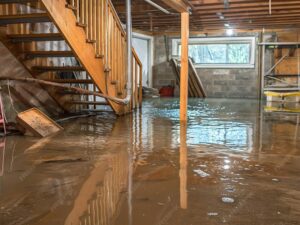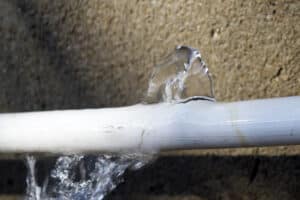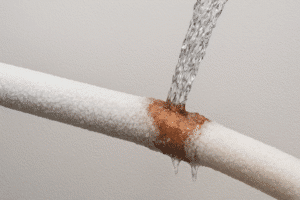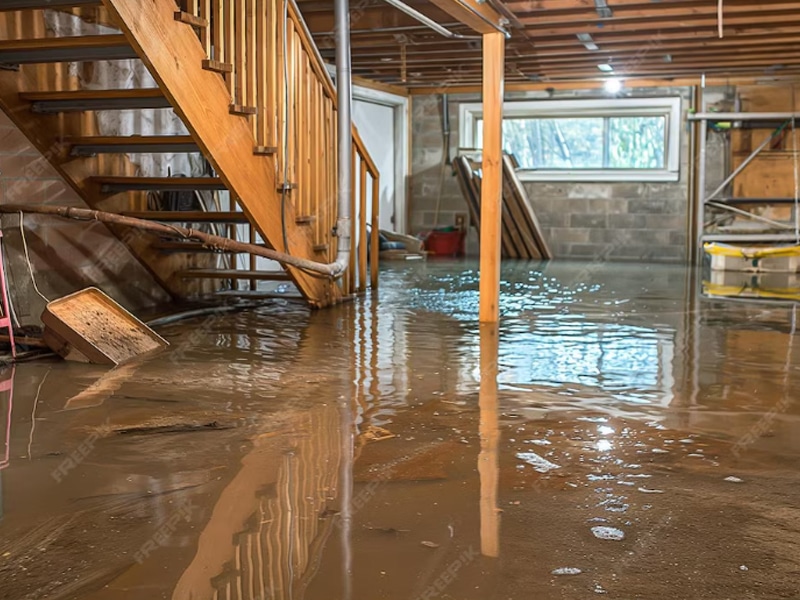
A basement flood can occur anytime due to heavy rains, sudden floods, pipe bursts, or an appliance leak. It is a recurring operational risk that affects your home value, occupant safety and and long-term maintenance costs. As a restoration expert working with homeowners, we see basement water damage most often in older buildings, garden-style communities, and homes with deferred infrastructure upgrades.
A flooded basement is not just standing water. It is a chain reaction that can impact electrical systems, structural components, indoor air quality, and future leasing performance if it is not handled correctly from day one. Let us understand the risks of basement flooding, what it really is, how to mitigate damage immediately, and how to restore the space in a way that protects your asset.
Table of Contents
ToggleBasement Flooding: What It Is and Why It Happens
Basement flooding occurs when water enters below-grade spaces faster than it can be drained or managed. In single-family homes, the most common causes include aging foundation walls, failed sump systems, blocked drains, plumbing leaks, and storm-driven groundwater pressure. Unlike upper floors, basements often house critical home systems: furnaces, water heaters, electrical panels, laundry equipment, storage, and sometimes finished living spaces. When these areas flood, the risk goes far beyond cosmetic damage. It’s about family disruption, safety hazards, costly repairs, and the loss of personal belongings. Flooding is often the result of years of small issues that finally surface during a heavy rain event or equipment failure.
Essential Mitigation Steps After Basement Flooding
The first 24 to 48 hours after water intrusion determine how expensive the repair becomes. Delayed action is one of the biggest mistakes we see homeowners make. Here are some key steps to take:
- Prioritize safety and access control
Before anyone enters the basement, power to affected areas should be secured. Standing water and live electrical systems do not mix. Maintenance teams should not enter until conditions are confirmed safe. - Stop the source of water
Whether it is a burst pipe, failed sump pump, or active infiltration, water mitigation starts with stopping additional water from entering the space. Without this step, cleanup efforts are wasted. - Begin water extraction immediately
Professional water extraction removes standing water using commercial-grade pumps and vacuums. This step prevents water from wicking into walls, columns, and slab joints. - Document everything
Photos, videos, and moisture readings matter. They support insurance claims and provide a baseline for restoration scope. Skipping documentation often leads to disputes later.
Fast water mitigation reduces downtime, limits repair scope, and helps keep operating budgets predictable.
How to Restore a Flooded Basement: Steps for Effective Recovery
Flooded basement restoration is more than drying the floor. Proper recovery follows a structured process designed to prevent long-term damage. This includes:
- Basement water cleanup and debris removal
All contaminated water, sediment, and damaged materials are removed. This includes soaked insulation, compromised drywall, and debris that can trap moisture. - Basement drying and moisture control
Industrial air movers and dehumidifiers are placed strategically. Moisture meters are used to track drying progress inside walls and concrete. Drying continues until safe moisture levels are achieved, not until the floor looks dry. - Basement water damage repair
Once dry, repairs begin. This may include replacing wall assemblies, repairing concrete, addressing failed joints, or upgrading drainage systems. - Mold prevention in basement areas
Mold can begin forming within days. Antimicrobial treatments and proper ventilation reduce risk. Skipping this step often leads to air quality complaints and repeat service calls.
A disciplined restoration approach keeps problems from resurfacing during the next heavy rain or seasonal thaw.
How to Fix a Flooded Basement Long Term, Not Just This Time
Restoration should always include a conversation about prevention. Fixing the visible damage without addressing the cause guarantees repeat flooding. Common long-term solutions include improved drainage systems, upgraded sump pumps with backup power, foundation crack repair, and plumbing system evaluations. In many cases, phased improvements can be planned to align with capital budgets rather than reacting to emergencies every year.
Why the Right Restoration Partner Matters
Basement flooding is a complex issue and needs expert intervention. It is a building systems issue. Choosing the right water damage restoration partner determines whether the problem is solved or temporarily hidden. An experienced restoration firm such as Renu will understand the structure of your home and communicate clearly with maintenance teams to restore your home at the earliest. More importantly, they understand that every extra day of downtime means inconvenience to homeowners and an added expense of alternate accommodation. The goal is not just to dry the basement. It is to restore function, protect the asset, and reduce future flooding risk.
#ProfessionalWaterMitigation #BasementWaterCleanup #FloodedBasementRestoration #BasementWaterDamageRepair #WaterRemovalServices #EmergencyWaterCleanup #WaterExtractionServices #WaterDamageRestoration