Before hurricane season hits, there is a real opportunity for exterior renovations. Make the most out of this to protect your assets. We have observed that multifamily properties that come through storm season with minimal damage are not the ones that got lucky. They are the ones whose ownership teams made smart decisions about multifamily exterior upgrades before the first storm ever formed. Below are the exterior renovations that deliver measurable protection for multifamily communities. These are practical investments that reduce liability exposure, lower maintenance call volume, and protect NOI during weather events.
Table of Contents
ToggleWhy Pre-Season Renovations Are a Capital Planning Priority
Storm season does not give you a grace period. For ownership groups and asset managers, pre-season exterior renovation is not just a maintenance function. It is a capital planning decision that directly affects insurance exposure, deductible outcomes, unit availability, and resident retention. The properties that handle storm events well are almost always the ones where that decision was made early and executed properly. Hiring an experienced multifamily renovation company is a must for foolproof exterior renovations.
Recommended Exterior Renovations Before Hurricane and Storm Season
Impact-Resistant Windows and Sliding Doors
Windows and sliding glass doors are the most common points of failure in a hurricane. Once the building envelope is breached, you are no longer dealing with wind and rain outside. You are dealing with interior damage, tenant displacement, and insurance claims that can take months to close.
Impact-resistant windows and doors are engineered to withstand high-velocity wind and debris impact without shattering. For Class A and Class B multifamily assets, this upgrade pays back in three ways: reduced insurance premiums, lower annual maintenance costs due to failed seals and frame damage, and a tangible amenity story for lease-renewal conversations.
Storm Shutters and Accordion Systems
For communities where full window replacement is not in the current capital plan, storm shutters are the most cost-effective way to protect the building envelope across an entire asset. They are faster to deploy than panels, easier for on-site maintenance teams to manage, and, when properly specified, they meet wind load requirements in most coastal jurisdictions.
Accordion shutters stay mounted year-round and fold back cleanly during the off-season. These are an essential part of hurricane-resistant exterior renovations. They can easily and quickly be handled by homeowners during emergency situations without any specialized tools.
You may also want to consider the following:
Roof Inspection, Reinforcement, and Rated Materials
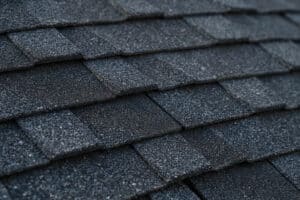
The roof is the most expensive component of any multifamily building, and deferred maintenance often causes it to fail first. Before storm season, every multifamily asset should have a documented roof inspection on file. Loose or missing shingles, failing flashing, and compromised sealant around HVAC penetrations are the vulnerabilities that turn a manageable storm into a major claim.
For buildings where the roof age and condition justify the investment, wind-rated roofing systems and hurricane straps or clips that tie the roof deck to the wall framing create a continuous load path that significantly reduces uplift risk. These are not luxury upgrades; they are an important part of multifamily renovations.
Exterior Caulking, Sealants, and Flashing
This one does not get enough attention. Failed caulking and deteriorated flashing around windows, doors, utility penetrations, and rooflines are how water gets into buildings during extended rain events, which often accompany hurricanes, even when wind damage is minimal.
A thorough exterior envelope inspection and resealing program before storm season costs a fraction of what one significant water intrusion event costs in remediation, unit downtime, and mold mitigation. For property managers tracking maintenance budgets, this is one of the highest-return line items in a pre-season scope.
Securing Exterior Structures and Site Elements
Property owners and managers must properly anchor carports, covered parking structures, signage, fencing, dumpster enclosures, and pool equipment to prevent them from becoming projectiles or structural liabilities during severe weather. Site walks before storm season should include a documented review of every exterior structure on the property.
Loose fence panels, unsecured gate hardware, and aging carport frames are the kinds of items that maintenance teams flag and ownership defers year over year. One storm changes that calculus quickly, and the liability exposure from a collapsed structure in a common area is not a risk worth carrying.
What This Means for Owners and Management Teams
The multifamily industry has shown a clear pattern when it comes to storm preparedness: properties that recover the fastest and experience the least disruption are those that treat exterior renovations and preventive maintenance as strategic investments rather than cosmetic upgrades. Proactive capital planning helps reduce repair costs, protect residents, and improve long-term asset performance when severe weather strikes.
If your property is located in a coastal or high-wind region and your last exterior renovation was more than five years ago, now is the time to evaluate its readiness. Stay ahead of storm season by scheduling an exterior property assessment with Renu. Our apartment renovation experts can help identify vulnerabilities, strengthen your building envelope, and develop a renovation strategy that protects your investment, minimizes downtime, and keeps your community resilient year-round.
#ApartmentRenovationCompany #ExteriorRenovations #MultifamilyRenovations #ExteriorUpgrades #Dallas #Denver #LosAngeles #HurricaneResistantExteriorRenovations