Interior renovation in multifamily housing is not just about updating finishes. It is about protecting asset value, improving operational efficiency, and creating spaces that lease faster and retain residents longer. From our perspective as a multifamily general contractor, the difference between a smooth project and a stressful one comes down to planning. A good process keeps schedules tight, budgets predictable, and your teams out of constant firefighting mode. Owners, investors, and property managers often face the same challenges. Units must turn quickly. Maintenance teams are already stretched. Residents expect upgrades without disruption. A well-planned interior renovation strategy addresses all three.
Table of Contents
ToggleWhat Are the Stages of Multifamily Interior Renovation?
Every successful multifamily property renovation follows a clear sequence. Skipping steps or rushing decisions almost always leads to delays, change orders, and frustrated onsite teams.
- Strategic Planning and Scope Definition
Start with clarity. Identify whether the goal is value-add repositioning, rent growth, or operational efficiency. Break the scope down by units, common areas, and building systems. At this stage, we always advise listening before making decisions. Resident feedback often reveals practical issues such as poor lighting, lack of storage, or inefficient layouts. - Budgeting and Capital Planning
Align your renovation scope with realistic budgets. Multifamily interiors typically range widely in cost depending on finishes and scope. Build in contingencies because surprises inside walls are common. Predictable budgeting helps ownership avoid mid-project funding gaps. - Design Development and Material Selection
This is where many projects either gain momentum or lose it. Define a clear design language early. Materials, lighting, and color palettes should be consistent across units and amenities. Choose durable finishes that can withstand turnover cycles. Timeless selections outperform trend-driven choices, especially for high-cost items. - Purchasing and Planning
Inadequate procurement planning frequently results in delays. Cabinets, fixtures, and appliances are examples of long-lead goods that should be locked early. A staggered plan lessens the strain on leasing personnel and minimizes vacancy loss. - Construction and Demolition
Execution ought to be methodical and consistent. Coordination becomes crucial for homes that are inhabited. Unnecessary complaints and safety issues can be avoided by maintaining open lines of contact with residents and property teams. - Turnover and Final Finishes
First impressions are impacted by this stage. Tight and quality-controlled punch lists are essential. Clean, uniform finishes lower callback rates and aid maintenance crews in effectively overseeing unit renovations.
Multifamily Interior Design Renovation Ideas for Your Next Project
Interior upgrades should always balance aesthetics with function. The goal is not just to look good on day one, but to perform well through multiple lease cycles.
- Upgrade Kitchens and Bathrooms
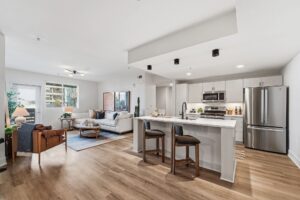
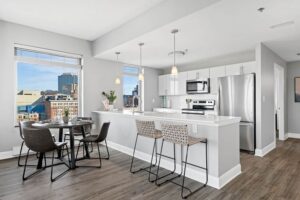
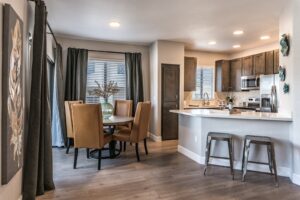
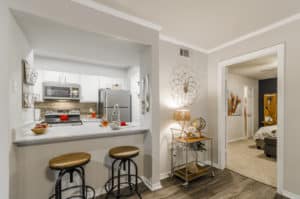
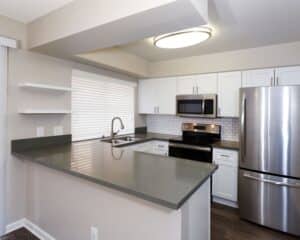
These spaces drive leasing decisions. Focus on practical improvements such as durable countertops, updated cabinetry fronts, and efficient lighting. Small changes here often deliver strong returns without full replacement costs. - Improve Flooring and Paint
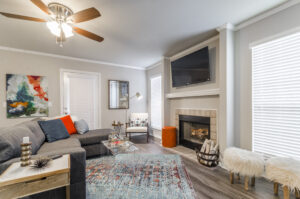
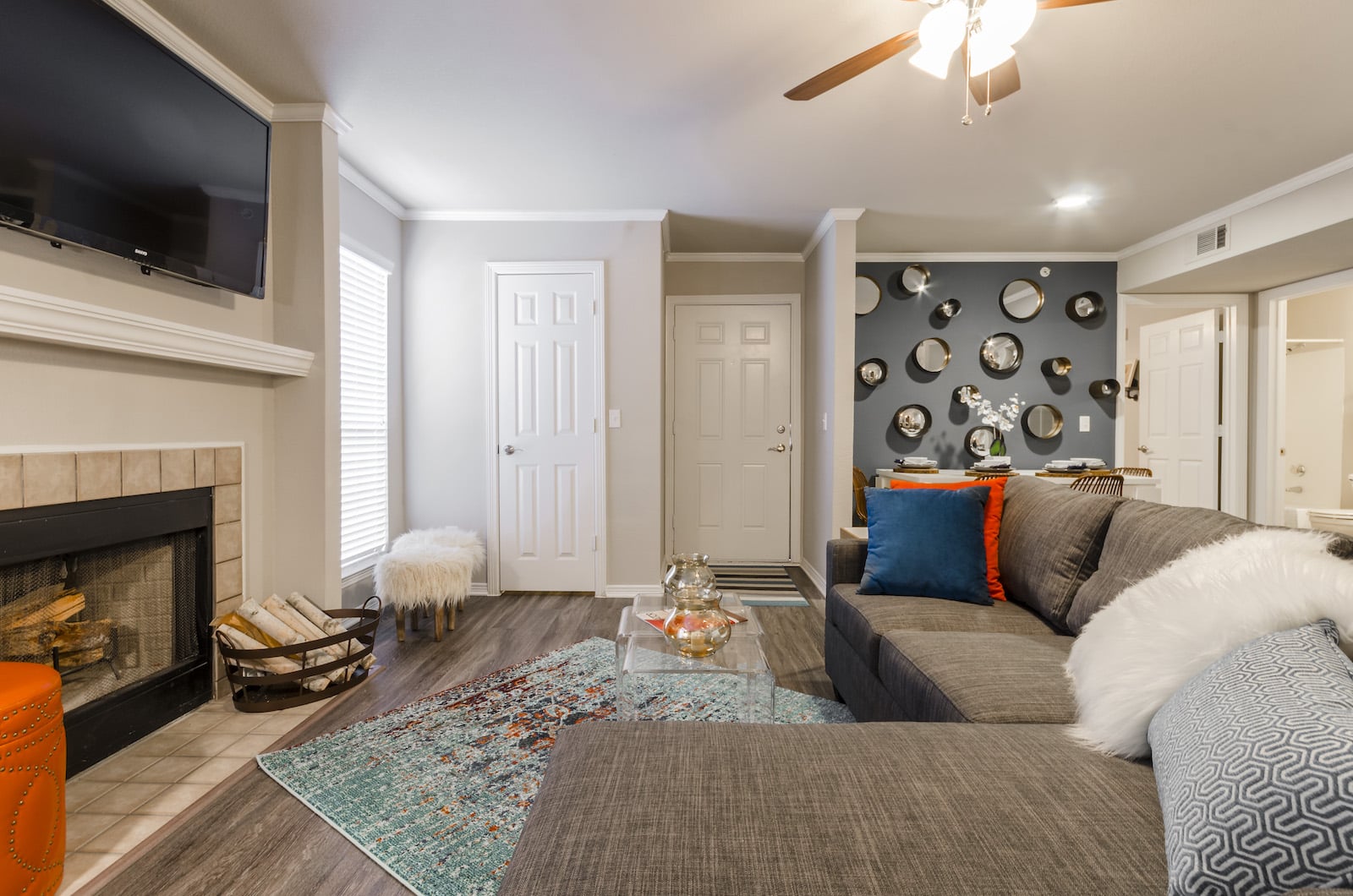
Flooring and paint are among the most cost-effective upgrades. Materials like luxury vinyl plank offer durability and ease of maintenance. Neutral color palettes create a clean, consistent look that appeals to a wide range of tenants. - Enhance Lighting Strategy
Lighting changes how a space feels. Layer ambient, task, and accent lighting to improve usability. Well-lit units photograph better and show better during tours, which directly impacts leasing velocity. - Rework Common Areas
Lobbies, corridors, and shared spaces shape resident perception. Comfortable seating, better lighting, and functional layouts make these areas more usable. This is especially important for properties competing in higher rent segments. - Add Smart and Efficient Features
Embracing technology in your apartment renovations can go a long way into the future. This includes smart access, efficient fixtures, and climate control features to reduce operating costs. Your unit value can also increase with the installation of smart home accessories. - Focus on Storage and Layout Efficiency
Storage is one of the most common resident complaints. Thoughtful cabinetry, shelving, and closet improvements make units more livable without changing the footprint. - Incorporate Durable, Easy Maintenance Materials
Maintenance teams deal with the long-term impact of every design decision. Selecting materials that resist wear and are easy to clean reduces ongoing operational friction.
Best Interior Design Practices to Follow
Strong multifamily interior renovation is built on discipline, not guesswork. A few practical approaches consistently keep projects on track:
- Take Time to Choose Your Decisions
It is essential to pay attention to resident feedback and implement it. Addressing these issues early avoids costly redesigns later. - Work with Multifamily Experts
Partnering with teams experienced in multifamily properties will help minimize errors and make the process easier for everyone involved. - Choose Timeless Over Trend-Driven
Always rely on classic design ideas and furniture pieces that are not dependent on trends. This helps keep the décor simple and timeless, maximizing its lifecycle. - Define Design Early
When materials, lighting, and layout strategies are finalized upfront, procurement becomes smoother, and construction delays and additional costs due to changes later are reduced. This directly impacts the cost of interior apartment renovation.
Bringing It All Together
Planning interior renovation for an apartment is about making smart, disciplined decisions early. At Renu, we believe that clear scope, realistic budgets, and practical design choices keep projects moving without constant disruptions. From our experience in the field, the projects that succeed are the ones that respect both the resident experience and the operational realities of property teams. When you get that balance right, renovations do more than improve appearance. They increase value, support leasing, and make day-to-day management easier for everyone involved. Schedule a renovation assessment today.
#InteriorRenovations #MultifamilyGeneralContractors #PropertyRenovation #PropertyUpgrades #ApartmentRenovation #LasVegas #Phoenix #Dallas #MultifamilyRenovations