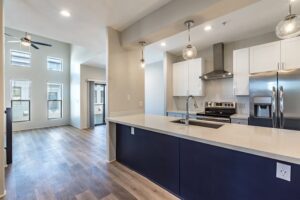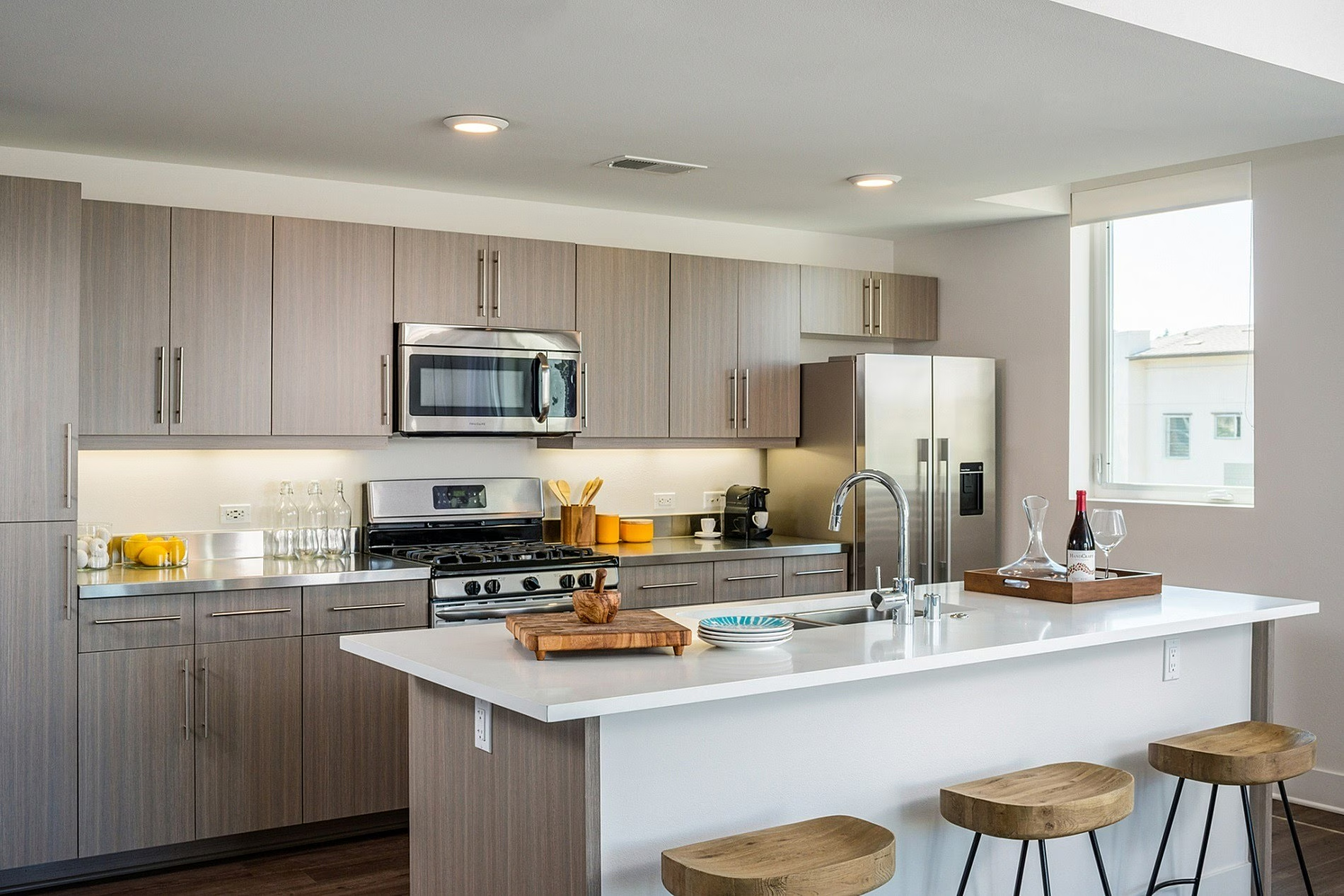
Apartment unit turnover renovations are more than a routine maintenance task. They are a critical part of multifamily operations that directly affect net operating income, resident satisfaction, and long-term asset value. As a general contractor specializing in apartment communities, we see these challenges every day. When unit turnovers take longer than planned, properties lose rental income. At the same time, poor workmanship creates additional maintenance issues, while an unclear project scope quickly drives up costs. However, speed and quality do not have to compete. Instead, a well-planned apartment unit turnover renovation combines efficient execution with lasting results to keep units lease ready and properties performing at their best.
Table of Contents
ToggleWhy Prompt Turnover Renovation Matters
Turnover season impacts every multifamily asset, including student housing. With average retention around sixty percent in many markets, a significant share of units may turn over each year. At roughly four thousand dollars per unit plus lost rent during vacancy, delays add up fast. Every offline day affects cash flow and increases pressure on onsite teams. Prompt, well-managed multifamily renovation protects revenue, stabilizes budgets, reduces vacancy days, and delivers move-in-ready apartments without overwhelming your staff.
The Real Cost of Slow and Poor Quality Turnovers
Apartment value improvement is more than paint and cleaning. It often includes:
- Detailed inspections
- Drywall and trim repair
- Plumbing and electrical corrections
- Flooring replacement or patching
- Kitchen upgrades
- Code compliance items
When these tasks are uncoordinated, the timeline stretches. When quality control is weak, punch lists multiply. A well-executed apartment interior upgrade sets the tone for a positive resident experience. Careful planning and quality workmanship help minimize early service requests, encourage positive reviews, and keep ongoing maintenance costs under control.
Steps to Improve Speed in Apartment Unit Turnover Renovations
Improving your unit turnover process starts well before keys are returned.
1. Build a Clear Plan Before Moving Out
A proactive plan reduces surprises. That includes:
- Clear move-out communication with residents
- Tenant satisfaction during renovations
- Defined inspection checklists
- Pre-scheduled vendor and contractor slots
- Standardized scopes of work by unit type
When expectations are documented and shared, fewer delays occur. A well-informed resident is more likely to provide proper notice and leave the unit in better condition. From the contractor side, we recommend creating predefined turnover packages.
2. Complete Work Orders During the Lease Term
Deferred maintenance is one of the biggest drivers of extended turnover timelines. If service requests pile up during occupancy, they surface all at once at move-out.
Consistent response times during the lease period do two things. First, they increase the likelihood of renewals. Second, they reduce the volume of corrective work required at turnover.
Property managers know the pain point. When maintenance teams are already stretched thin, last-minute repairs during peak season create bottlenecks. A disciplined work order process throughout the year makes turnover smoother and more predictable.
3. Standardize and Track the Make Ready Process
Technology can help. Many property management platforms offer ready workflows that track inspections, service orders, and task status in real time. A visual board that shows scheduled, in progress, and completed tasks keeps everyone aligned.
From a contractor’s perspective, integration matters. There is less back and forth, fewer change orders, and tighter scheduling. Templates also reduce errors. Renovation strategies for rental units follow the same checklist, ensuring quality is maintained.
4. Prospect Proactively to Reduce Vacancy Days
Leasing strategy impacts renovation speed. Marketing units before they are officially vacant ensures that demand is lined up as soon as the apartment is ready.
When we coordinate closely with leasing teams, we align completion dates with scheduled move-ins. That reduces idle days between construction completion and resident occupancy.
Speed in renovation only creates value if leasing can capture it.
The Investor and Operator Perspective
Owners and investors want predictable returns. They do not want capital budgets derailed by uncontrolled turnover expenses. Apartment renovation companies choose processes that scale across portfolios. Property managers want reliable partners who show up when scheduled. Maintenance teams want clear scopes and workmanship that does not create new problems.
When turnover renovation is fast and well executed:
- Revenue loss from vacancy is minimized
- Capital planning becomes more accurate
- Resident reviews improve
- Onsite teams can focus on operations instead of chasing contractors
In the multifamily business, time is revenue. But quality protects that revenue over the long term. We believe in delivering clean, durable, market-appropriate finishes. Speed without discipline creates risk. Quality without efficiency erodes returns. The right contractor understands both sides of the equation.
As a general contractor serving apartment communities, Renu helps property owners and managers complete apartment renovation projects on schedule, maintain predictable budgets, and deliver quality workmanship that stands up to daily resident use. We also support onsite teams by reducing punch list items, minimizing callbacks, and keeping turnover projects moving forward. When speed and quality work together, turnover season becomes more manageable, and your property performs the way it was designed to perform. Talk with our multifamily renovation team to discuss your next apartment unit turnover renovation and build a plan that keeps your units lease ready with minimal downtime.
#MultifamilyRenovations #ApartmentRenovations #ApartmentInteriorUpgrades #Dallas #RenovationStrategies #RenovationCompany #RenovationProjects #RentalUnits #Denver #LosAngeles #GeneralContractors #RenovationContractors