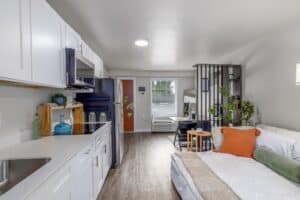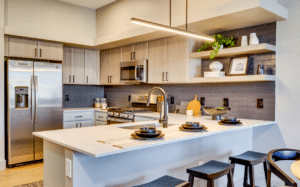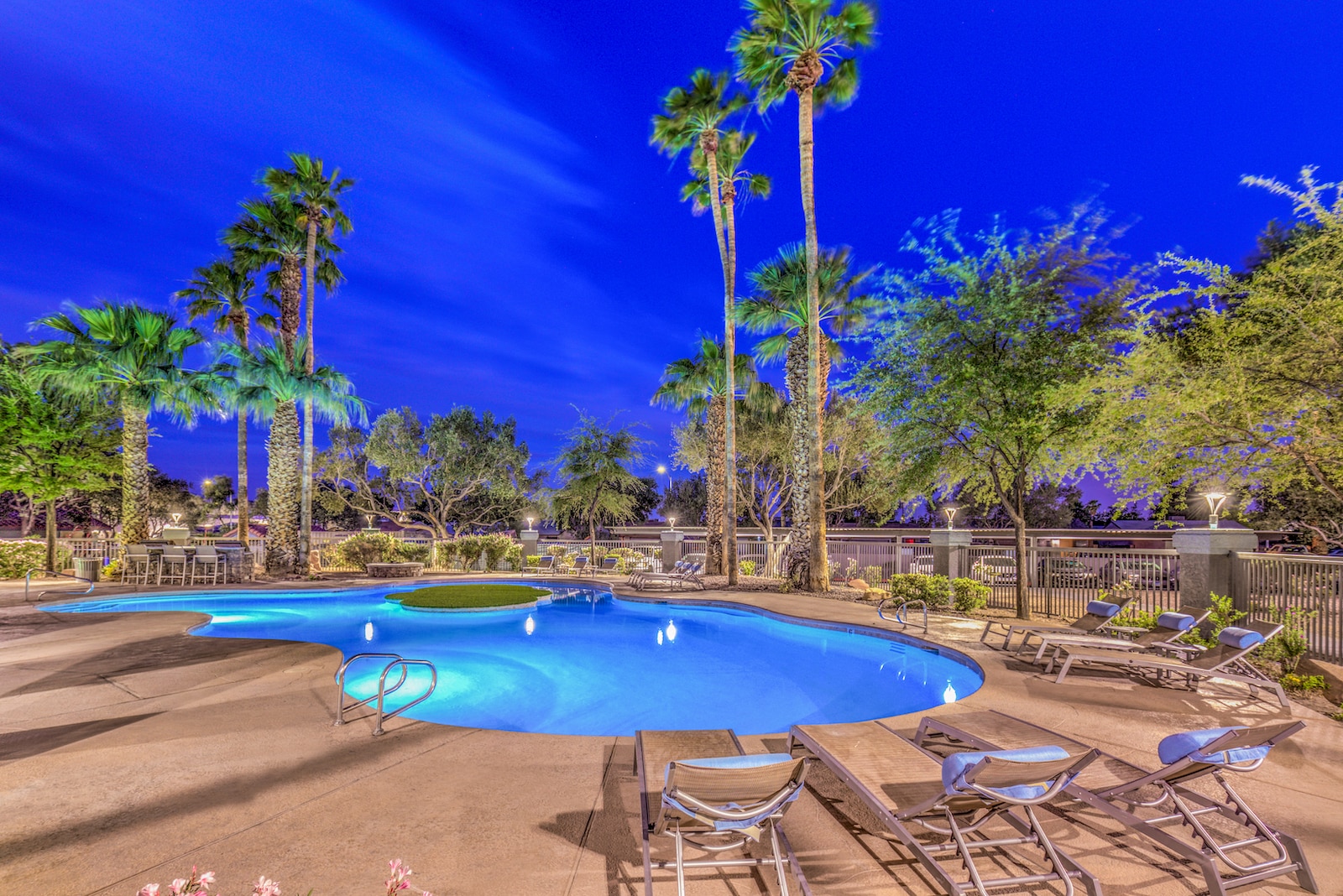
As a general contractor working almost exclusively in the residential space, we see market shifts before they show up in headlines. One of the most significant shifts underway today is the conversion of underperforming hotels into residential units. For owners, investors, and property managers, this is not a design trend. It is a practical response to changing demand, rising housing pressure, and surplus hospitality inventory.
Across many US markets, hotels built for a different era are sitting vacant or operating below sustainable occupancy. At the same time, multifamily owners are dealing with supply constraints, affordability pressure, and growing expectations from residents and regulators alike. Adaptive reuse bridges that gap in a way ground up construction often cannot.
Table of Contents
ToggleWhy Hotel to Residential Conversions Are Gaining Momentum
Hotel conversions are not new, but the timing is different now. The affordable and workforce housing shortage continues to deepen. Rents have outpaced wage growth in most urban and suburban markets. Additionally, homelessness and housing insecurity are placing pressure on municipalities to move faster on solutions that can be delivered at scale.
From a contractor’s perspective, adaptive reuse projects make sense because they put existing buildings back to work. They shorten delivery timelines compared to new construction and allow capital to be deployed with clearer visibility on cost and schedule.
What Makes Hotels Viable for Residential Units
Repurposing hotels for apartments is not feasible for every project. The projects that are selected are the ones where early due diligence is done correctly.
Key factors we evaluate upfront
- Structural grid and load capacity that support residential use
- Window spacing and natural light are suitable for long-term living
- Existing plumbing stacks that can be reused or efficiently modified
- Zoning and entitlement pathways that allow residential occupancy
Hotels already have private rooms, vertical circulation, fire separation, and life safety systems. That baseline infrastructure reduces unknowns, which is critical for investors who want fewer surprises once construction starts.
- Financial Predictability for Owners and Investors
Adaptive reuse strategies are attractive because it helps control risk. You are not guessing what is underground. You are not waiting months for foundations. That means tighter schedules and fewer budget swings. For owners and investment groups, this translates into shorter construction timelines and earlier lease-up. When projects stay on schedule, asset managers spend less time explaining delays and more time planning operations. - Operational Relief for Property Management Teams
Ultimately, property managers inherit the buildings we deliver, and that reality shapes how we approach hotel-to-housing conversions. Hotels were never designed to accommodate residents living there year-round. As a result, we rework mechanical systems, unit layouts, and common areas with long-term maintenance and unit turnover in mind. When done correctly, these conversions help management teams operate more efficiently while reducing operating costs and resident complaints over time. - Design Flexibility Without Overdesign
One lesson we see repeatedly is that flexibility matters more than perfection. Studio and one- bedroom layouts work best because they align with existing room sizes and plumbing locations.Overdesign is where budgets get stressed. Smart property conversion projects focus on livability, not luxury finishes that do not move the needle on rent or occupancy. - Regulatory Coordination and Stakeholder Alignment
These projects only succeed when everyone is aligned early. That includes municipalities, housing agencies, lenders, and neighborhood stakeholders. We have seen projects stall not because of construction issues, but because expectations were not set up front.
Environmental and Community Impact That Actually Matters
Adaptive reuse development is also one of the more practical sustainability strategies in real estate today. Reusing existing structures reduces demolition waste and lowers embodied carbon. That matters increasingly to municipalities and institutional capital.
From a community standpoint, vacant hotels often drag surrounding areas down. Bringing residents back restores foot traffic, supports local businesses, and stabilizes neighborhoods.
What to Expect During Construction
Hotel-to-residential transformations are complex, but they are manageable with the right team.
Expect detailed feasibility studies, targeted demolition, and phased system upgrades. Construction sequencing is critical because many buildings have tight footprints and limited staging areas.
A contractor experienced in adaptive reuse understands how to keep trades coordinated, inspections moving, and surprises contained.
Closing Perspective From the Contractor Side
On the ground, vacant hotel conversions succeed not because they are novel, but because they are buildable. They allow teams to work within existing envelopes, manage scope with greater predictability, and deliver housing faster than most ground-up alternatives.
Renu, a trusted adaptive reuse company, believes that thoughtfully executed conversion projects transform underperforming buildings into high performing residential assets while reducing risk for developers, investors, and property owners. Rather than following market trends, developers are responding to the realities shaping today’s housing and development landscape with a practical, repeatable strategy. Explore how Renu approaches adaptive reuse projects and discover how the right planning, construction expertise, and execution can turn your next conversion into a long-term investment success.
#AdaptiveReuse #AdaptiveReuseProjects #VacantHotels #HotelConversions #Denver #AdaptiveReuseContractors #GeneralContractors #HotelToResidentialConversions #PropertyConversionProjects #LasVegas