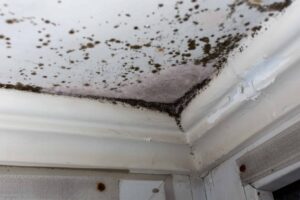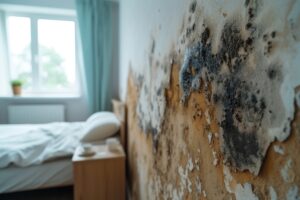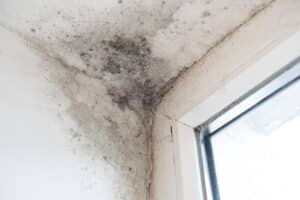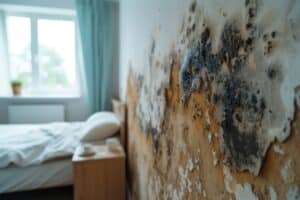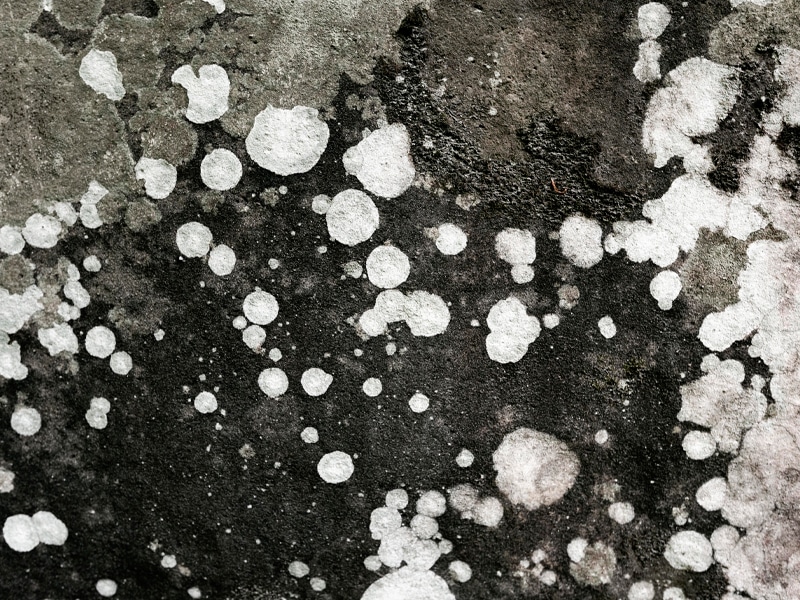
Black mold vs. other types of mold is one of the most common concerns homeowners have after discovering mold inside their homes. Mold is one of those hidden issues that can quietly undermine a property long before it is noticed. In single-family residences, mold often develops out of sight. It can be found behind walls, beneath flooring, or within ceilings until it begins affecting indoor air quality, building materials, and everyday comfort. While many people wonder whether black mold is more dangerous than other varieties, the reality is that any indoor mold growth should be taken seriously. Regardless of the type, mold can spread quickly, damage your home, and become far more costly to address when left untreated.
All types of mold damage behave differently. And most importantly for homeowners, the wrong response can make the problem bigger and more expensive than it needed to be. Let us understand this in detail and learn how to identify risk early, and when it is time to escalate to professional mold inspection and remediation.
Table of Contents
ToggleWhy Mold Is a Real Risk in Single-Family Homes
Mold thrives where single-family homes are most vulnerable. Moisture. Inadequate ventilation. Aging plumbing. Roof or envelope wear that goes unnoticed. Private living spaces, where early signs are often missed until damage has already spread. It creates three immediate risks:
- Health concerns for occupants, including respiratory irritation and allergy flare-ups
- Hidden damage behind walls, under flooring, and within insulation or structural elements
- Costly remediation that can disrupt daily living and require invasive repairs
Even small mold issues in a single-family home can escalate into significant long-term problems when mold removal or remediation is handled improperly.
What Is Black Mold and Why Does It Need Immediate Attention
When residents or homeowners raise concerns about black mold, they are typically referring to Stachybotrys chartarum, commonly known as toxic black mold. This strain stands apart from many other types of mold because of where it grows and the risks it presents. Black mold thrives on cellulose-rich materials such as drywall, wood framing, ceiling tiles, insulation, and cardboard.
How to identify black mold?
- Dark green or black and slimy looking
- Pungent musty odor
- Growths in distinct concentrated patches
- Grows in hidden water-damaged areas
Black mold is not easy to identify. This is where confusion commonly arises in the black mold vs mildew comparison. Mildew typically forms on surfaces with surface-level moisture, appears lighter in color, and is easier to clean. Black mold penetrates materials and signals a deeper moisture problem.
Toxic black mold can produce mycotoxins that are associated with:
- Persistent coughing or respiratory irritation
- Headaches and ongoing fatigue
- Skin, eye, and throat irritation
- Worsening asthma or breathing difficulty
Black mold health risks are harder to dismiss and more likely to escalate into formal claims if not addressed promptly.
Other Common Types of Mold
Most mold we encounter in family homes is not black mold. That does not make it harmless. Here are some more details:
- Green Mold
Green mold is common in bathrooms, kitchens, laundry areas, and units with humidity control issues. It can grow on walls, grout, food waste areas, and HVAC components. While typically less toxic, it can still trigger allergies and respiratory irritation, especially in sensitive residents. - White Mold
White mold often looks powdery and is frequently mistaken for efflorescence. Unlike mineral deposits, white mold spreads and can impact indoor air quality. It is commonly found in basements, crawl spaces, and poorly ventilated attics. - Yellow Mold
Yellow mold can appear slimy or patchy and often shows up in damp kitchens, bathrooms, and basements. It may cause respiratory symptoms and should not be ignored, even though it is less common. - Orange Mold
Orange mold typically grows in wet bathrooms, kitchens, and on wood surfaces. While generally lower risk for health, it can still degrade materials if moisture issues persist. - Blue Mold
Blue mold is most commonly associated with food contamination, but it can also appear on damp building materials. Ingested exposure is a concern, and it often signals broader moisture problems nearby.
Mold identification is essential to help continue with the correct removal and remediation process.
Why Identification Matters More Than Color
The color of a mold alone is a reliable diagnostic tool. What matters more is:
- Duration of moisture exposure
- Surface type and location
- Area affected and whether growth is active
- Presence of musty odors or recurring complaints
When Mold Becomes a Structural Problem
One of the biggest mistakes we see is treating mold as a cleaning issue instead of a building systems issue. If moisture is not addressed, mold will return. And if mold has penetrated drywall, insulation, or framing, surface cleaning will not resolve it. Black mold remediation especially requires containment, negative air control, and proper material removal.
When to Call a Mold Specialist?
Professional mold inspection and mold testing should be considered when:
- Mold covers more than a small, isolated area
- Water damage has occurred within the walls or ceilings
- Health concerns are being reported
Certified professionals can identify the strain, assess hidden damage, and recommend remediation that aligns with safety and compliance expectations.
So Which Mold Should You Worry About Most
While black mold needs urgent attention, one must not ignore any other kind of mold that keeps spreading. The real risk is not knowing what you are dealing with or delaying action until it impacts homeowners and their schedules. As a restoration company working with single-family homes, our team at Renu sees the best outcomes when owners treat mold as a building performance issue, not a cosmetic one. Early inspection, clear decision-making, and professional remediation keep projects on track and problems contained.
#MoldRemoval #MoldInspection #BlackMold #MoldRemediation #MoldTesting #Mitigation #RestorationCompany #MitigationCompany #MoldDamage #BlackMold