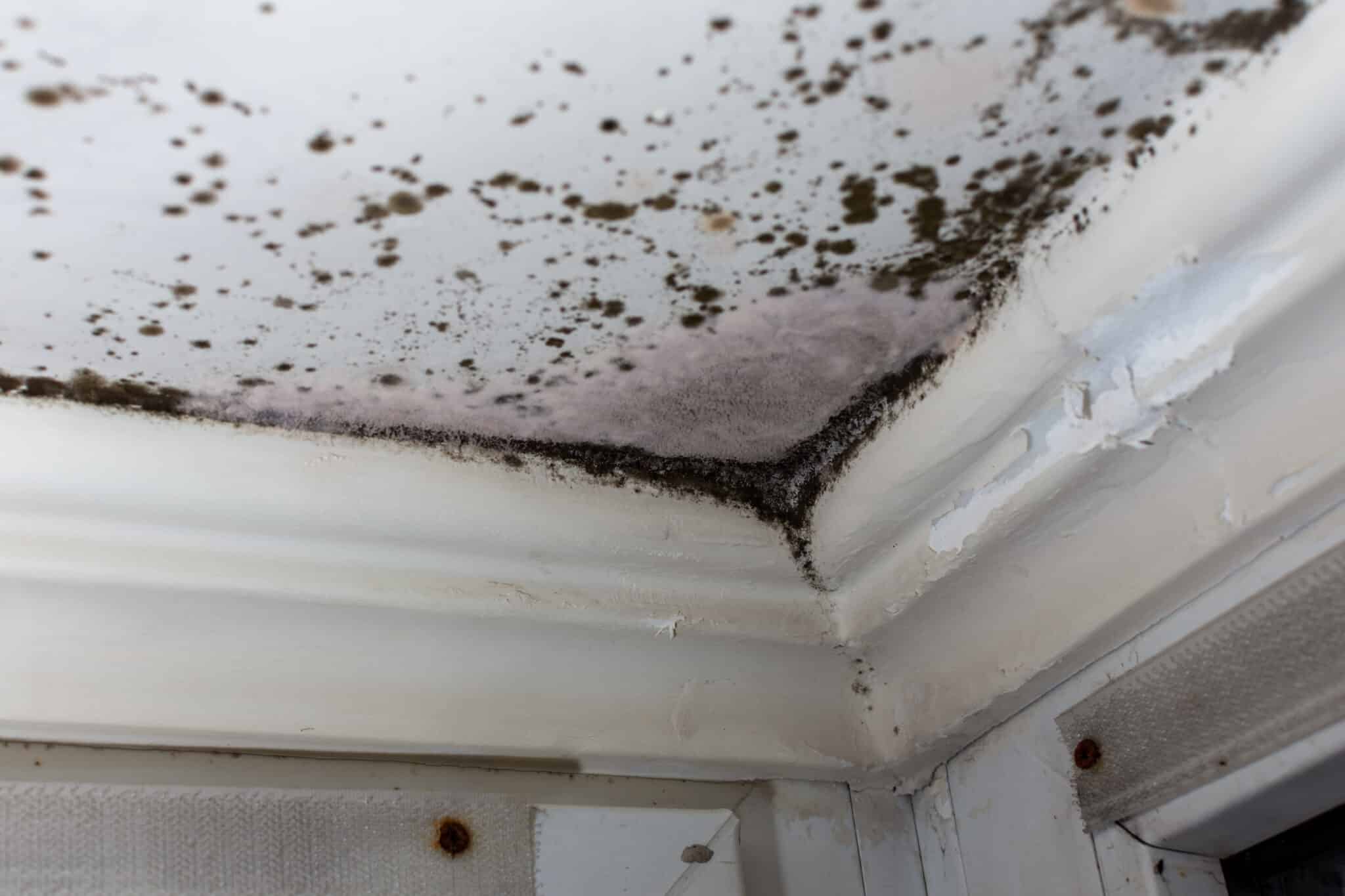
The current winter storm affecting large parts of North America has brought freezing temperatures and snowfall to regions that rarely experience extended periods of cold. As a result, homeowners in Dallas and across North Texas now face building risks that many do not expect. As snow and ice melt, water can seep into walls, ceilings, and other concealed areas where it often remains hidden. If property owners do not identify and remove that moisture quickly, it can promote mold growth in walls and ceilings, weaken building materials, and reduce indoor air quality. Therefore, what seems like a short winter storm can develop into extensive and costly damage unless homeowners take action as soon as the weather clears.
Table of Contents
ToggleHidden Home Damage Risks After a Snowfall
Snow and ice introduce moisture in ways Dallas homes are not always built to handle. When that moisture melts, it moves fast and often ends up trapped.
Common post-snowfall risks include:
- Ice dams are forming at the roof edges that push water beneath shingles and into attic spaces
- Rapid snow melts overwhelming gutters and downspouts, forcing water back toward the structure
- Frozen pipes that crack or burst and leak behind walls once temperatures rise
- Condensation forming when warm indoor air hits cold exterior walls or ceilings
- Saturated insulation that holds moisture long after surfaces appear dry
Once moisture enters wall or ceiling assemblies, mold can begin growing within 24 to 48 hours. It develops inside drywall, framing, insulation, and ceiling cavities where airflow is limited. It can also be toxic black mold, and it must be checked.
Mold health risks are linked to respiratory irritation, allergy flare ups, headaches, and asthma symptoms. For families with children, older people, or existing respiratory conditions, the risk increases quickly.
Warning Signs That Mold May Be Growing in Your Home
One of the biggest challenges with post-snowfall mold is that it often grows out of sight. By the time it becomes visible, repairs are more expensive and disruptive.
Warning signs we advise homeowners to watch for include:
- Musty or earthy odors that linger, especially near exterior walls or ceilings
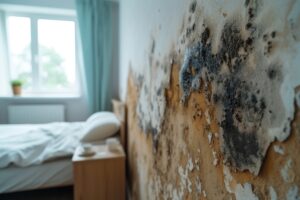
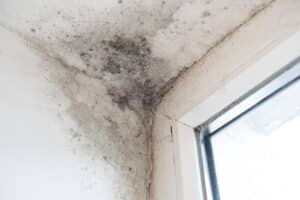
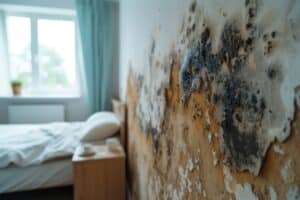
- Discoloration on drywall, including brown, yellow, or dark patches
- Bubbling, peeling, or cracking paint or ceiling texture
- Warped baseboards or soft drywall near floors and corners
- Increased allergy symptoms or respiratory discomfort indoors
- Excess condensation on windows or persistent indoor humidity
If you have any doubts, mold inspection by a IICRC certified specialist is a must.
Why Mold After a Thaw Is Often Missed
Dallas homeowners are used to heat, not prolonged moisture. After a freeze, many assume running the heater solves the problem. However, it does not. Warm air meeting cold surfaces inside walls creates condensation. Closed windows and reduced ventilation allow moisture to linger. Insulation stays wet. Drywall traps humidity. Mold thrives quietly while daily life goes on.
How to Prevent Mold After the Thaw
The goal after a snowfall is to find moisture early and remove it fast. Practical steps to take include:
- Inspect for Moisture Immediately
Check attics, ceilings, basements, and exterior wall areas. Look for stains, damp spots, or unusual odors. Pay close attention to areas near plumbing runs and roof penetrations. - Dry Affected Areas Within 48 Hours
Use dehumidifiers and fans. Increase airflow where possible. Wet materials left longer than two days are likely to support mold growth. - Address Leaks and Drainage Issues
Repair roof damage, clear gutters, and make sure water drains away from the foundation. Seal visible foundation cracks and inspect around windows and doors. - Monitor Indoor Humidity
Use a basic hygrometer. Keep humidity between 30 and 50 percent. Anything higher creates risk inside walls and ceilings. - Do Not Ignore Hidden Spaces
Mold often grows behind drywall, under flooring, and above ceilings. If there was water intrusion, assume moisture traveled farther than you can see.
How Professionals Help With Mold Removal in Dallas
When mold covers more than a small area or when moisture has entered wall systems, professional intervention is critical. Improper removal spreads spores and creates repeat issues. Contact Renu, a qualified renovation contractor coordinates inspection, containment, removal, drying, and rebuilding. At Renu, we approach mold remediation in Dallas with great expertise.
Our teams remove affected materials safely and help restore walls and ceilings. For Dallas homeowners, early action after snowfall saves time, money, and disruption. It is essential to know when to call a mold specialist. When mold is left alone, it becomes a structural and health issue that no one wants to deal with months later. If your home experienced snow buildup, leaks, or unusual moisture after the recent freeze, now is the time to get mold testing done.
#MoldRemoval #MoldRemediation #MoldMitigation #GeneralContractors #MoldInDallas #MoldSpecialistsDallas #MoldRestorationServices #ProfessionalMoldRemoval #MoldMitigation #BlackMoldRemoval #MoldHealthRisks