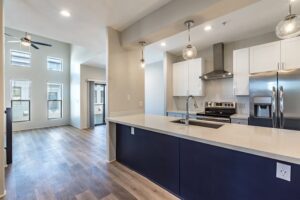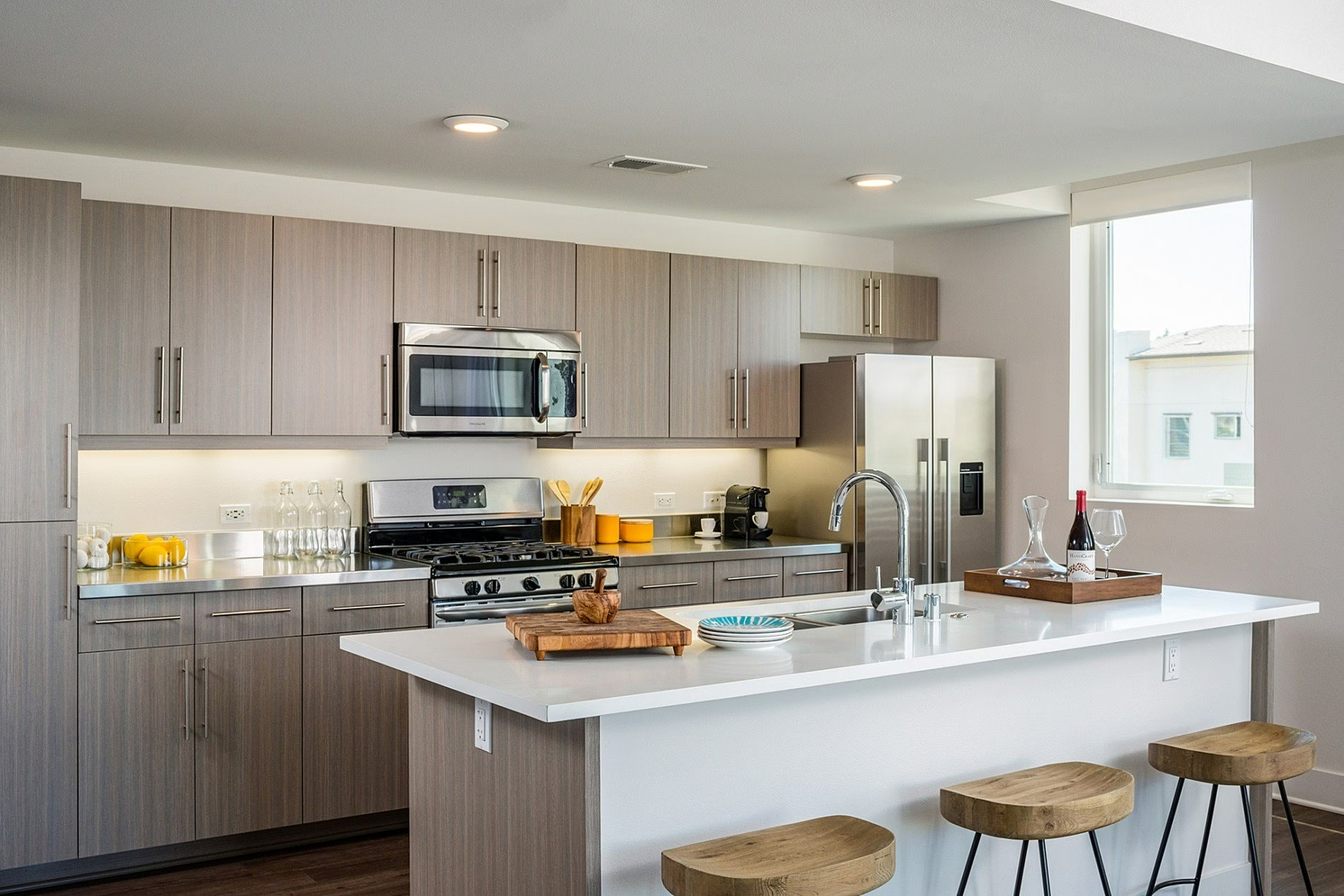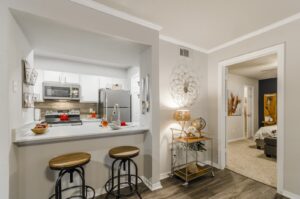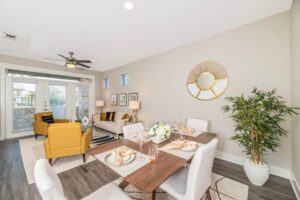
Modernizing aging apartment assets is no longer a choice; it is a necessity. In 2026, it is directly tied to rent performance, faster lease-ups, and long-term portfolio stability. As a multifamily renovation company that works with owners, investors, and management teams every day, we see the same pressure across markets. With fewer new constructions and increasing rental demands, there is a huge gap in the housing market. This is where smart unit modernization creates real value. When upgrades are planned with clarity and executed with discipline, owners can protect NOI, increase rent premiums, and reduce operational headaches for maintenance teams. Below are some key trends in modern multifamily renovations predicted for 2026.
Table of Contents
ToggleImportance of Modernizing Older Multifamily Units
Modernizing older multifamily apartments is essential for staying competitive in today’s rental market. Residents expect brighter interiors, flexible layouts, and energy-efficient features, and outdated units struggle to achieve strong rent performance. Upgrades not only improve leasing velocity but also reduce maintenance burdens and long-term operating costs. For owners and investors, modernization protects asset value, strengthens NOI, and ensures the property meets evolving renter expectations.
Renovation trends that will shape multifamily modernization in 2026
Focus on High ROI Interior Upgrades That Reduce Turn Pain
Older apartments usually tell the same story. Dated finishes, worn flooring, inefficient fixtures, and layouts that do not support how residents live today. As multifamily general contractors, we start by modernizing the elements that drive both rent lift and operational efficiency.
The most reliable upgrades for 2026 include:
- Durable plank flooring that cuts down on future turn costs
- Matte finish cabinets with simple hardware for a clean, modern look
- Energy-efficient appliances that lower utility expenses and strengthen sustainability credibility
- LED lighting packages that brighten interiors and reduce maintenance strain
- Smart thermostats and simple automation features for resident convenience
These improvements make units easier to lease while keeping maintenance calls predictable. They also improve the long-term holding value of the asset, which is what most investors and asset managers want from a renovation partner.
Design With Flexibility: Residents Expect Spaces that Adapt
Hybrid work is not going anywhere. Families want multipurpose corners. Gen Z renters expect layouts that support different routines. Apartment interior upgrades in 2026 need to reflect this shift.
Our renovation planning for multifamily units now includes:
- Creating small but functional work zones
- Adding modular storage that keeps clutter out of sight
- Using movable partitions where floor plans allow
- Designing kitchens and living rooms that feel open and adaptable
Flexibility is one of the strongest resident drivers in 2026, and modernizing older apartments with this mindset pays off in both occupancy and retention.
Integrate Smart but Practical Technology
Owners often worry that smart home systems will add complexity for maintenance teams. The truth is, the trend for 2026 is different. The market favors simple, dependable, and resident-friendly tech.
The most successful energy-efficient apartment renovations include:
- Smart thermostats are designed for easy troubleshooting
- App-based lighting presets that require minimal training
- WiFi-ready appliances that improve efficiency reporting
Residents appreciate convenience. And investors appreciate the competitive edge these upgrades bring without inflating budgets.
Wellness and Sustainability Are Now Expectations, Not Add-ons
Wellness-centered design is moving from high-end builds into value-add renovations. Health-conscious residents want brighter spaces, better air quality, and materials that feel clean and natural. Here are some small changes:
- Low VOC paints
- Matte natural textures
- Improved ventilation pathways
- Soft lighting packages
- Space for small wellness corners
Sustainable choices also help when marketing to today’s renters. They improve asset perception and often reduce long-term utility costs, supporting stronger NOI.
Authentic, Unit-Level Marketing Starts With Better Renovation Photos
A major trend shaping 2026 is the demand for unit-specific visuals. Gen Z renters are several points more likely to expect 3D tours, labeled photos, and real unit media. Value-add investors who embrace this will see better lease-up velocity. To support this shift, renovation services for apartments must include efficient closeout photography. Capturing updated units immediately after renovation helps marketing teams publish accurate, high-converting listings.
Modernization Must Protect Value and Reduce Stress
Multifamily unit modernization in 2026 is not about chasing design fads. It is about reducing operational friction, positioning the asset competitively, and creating interiors that help owners grow revenue without inflating costs. A renovation plan that respects schedules, protects budgets, and keeps maintenance teams free from avoidable issues is what produces consistent NOI gains. As an apartment renovation company focused on the multifamily industry, Renu delivers modern strategies that make your portfolio stronger and your operations smoother.
#Multifamily #MultifamilyRealEstate #MultifamilyRenovations #Phoenix #Orlando #Austin #RenovationTrends #Dallas #InvestmentProperty #ModernRenovation #ApartmentUpgrades #MultifamilyGeneralContractor #RenovationServices #ApartmentRenovation