As a restoration company working with families across the US, we have seen that mold is often taken lightly by homeowners. Mold does not start as a major problem. It starts quietly. A small leak behind a wall. A musty odor in a bathroom. A bit of trapped humidity in a basement. Over time, the issue grows and begins to affect your indoor air quality, your drywall, and eventually your health. Homeowners are often surprised at how quickly mold spreads once moisture is present. Understanding the earliest warning signs keeps repairs manageable and protects both your home and your family.
Table of Contents
ToggleWhat Is Mold and Why Does It Matter?
Mold is a type of fungus that grows in warm and damp environments. It spreads through tiny spores that move through the air. Once mold settles on a moist surface, it grows roots and starts feeding on building materials. Mold in the house affects structural elements like drywall, flooring, and insulation. Certain types, including black mold, can also cause indoor mold symptoms such as headaches, coughing, congestion, and skin irritation. That is why early detection is so important. The sooner you recognize a warning sign, the easier the fix.
Ten Early Warning Signs of Mold in Your Home
- A Persistent Musty Smell
A musty smell in the home is one of the first indicators that moisture is trapped somewhere. Even if you cannot see visible mold in walls or ceilings, that distinctive mold odor in the house usually means mold growth has already started behind a surface. - Black, Green, or White Spots on Walls
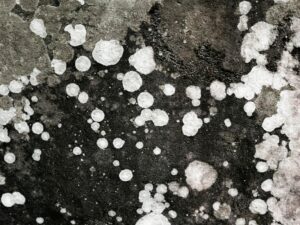
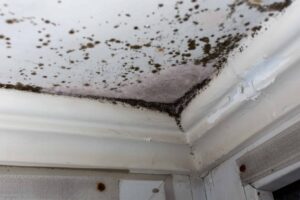
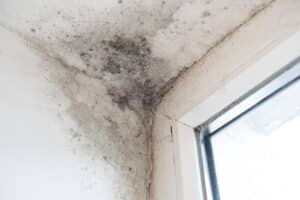
Small speckled spots on drywall, ceilings, or baseboards are common signs of mold in the house. These patches often start small and spread across the surface over time. - Bubbling or Peeling Paint
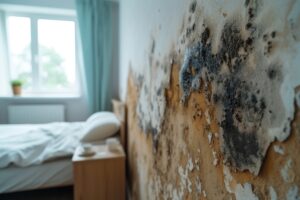
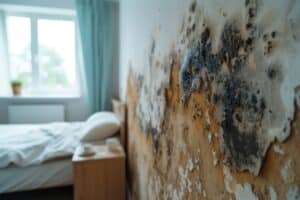
When paint begins bubbling or peeling without an obvious reason, moisture is building up behind the surface. This is one of the earliest warning signs homeowners usually overlook. - Water Stains or Yellow and Brown Discoloration
Any stain on a ceiling or wall means water has reached that area. Mold can begin forming within two to three days of exposure. - Indoor Allergies That Get Worse
Consistent sneezing, coughing, and watery eyes that improve when you leave the house are common signs of mold exposure. Many homeowners mistake these symptoms for seasonal allergies. - Condensation on Windows
Foggy windows and damp window sills point to high humidity indoors. That same moisture can collect behind drywall or under flooring. - Drywall That Feels Soft or Warped
If a wall feels spongy or looks uneven, moisture has already been absorbed into the material. Mold colonies often sit directly behind these areas. - Humidity Levels Over Sixty Percent
Basements, crawl spaces, and laundry rooms tend to show elevated humidity first. These rooms often become the starting point for mold problems. - Recurring Sinus or Respiratory Issues
Chronic coughing, sinus infections, or asthma flare-ups inside the home are common with prolonged exposure to mold spores, especially black mold. - Previous Water Damage
Any past leak that was not professionally dried can leave behind hidden mold in walls, insulation, or flooring. Even older damage can still create mold problems today.
What To Do When You Spot Mold in Your House
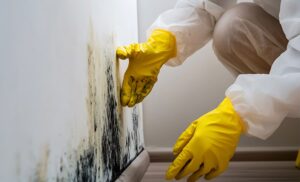
When homeowners discover mold, the first instinct is often to clean it themselves. However, many situations, such as black mold, need professional mold removal to eliminate the source and prevent regrowth. Here is what you must do:
Immediate Steps
- Increase ventilation in the affected area.
- Do not scrub or disturb mold growth. This can release more spores into the air.
- Identify obvious moisture sources, such as leaks or standing water, and stop them if possible.
Professional Steps
- Schedule a mold inspection to confirm what type of mold is present.
- Request testing if you suspect black mold
- Hire certified mold remediation specialists for complete removal
Professional mold removal teams use specialized equipment to remove mold safely, treat affected surfaces, and correct moisture conditions to keep the problem from returning. For homeowners, this means fewer disruptions, predictable costs, and confidence that the job was done correctly.
Protecting Your Home from Future Mold Problems
Homeowners can prevent most mold issues by keeping moisture under control.
- Use exhaust fans in kitchens and bathrooms.
- Keep indoor humidity below sixty percent.
- Check windows, basements, attics, and crawl spaces regularly.
- Address leaks quickly, even small ones.
- Conduct annual inspections of your HVAC system.
Mold grows quietly but can create real problems when ignored. Knowing the early warning signs keeps repairs manageable and protects both your home and your health. If you suspect mold in your home, reach out to Renu, a renowned property restoration firm, for quick action. With proper inspection and professional mold remediation when needed, you can restore a healthy living environment and safeguard the long-term value of your property.
#HomeRestoration #MoldRemoval #MoldRemediation #MoldMitigation #GeneralContractors #MoldRestorationServices #ProfessionalMoldRemoval #BlackMoldRemoval