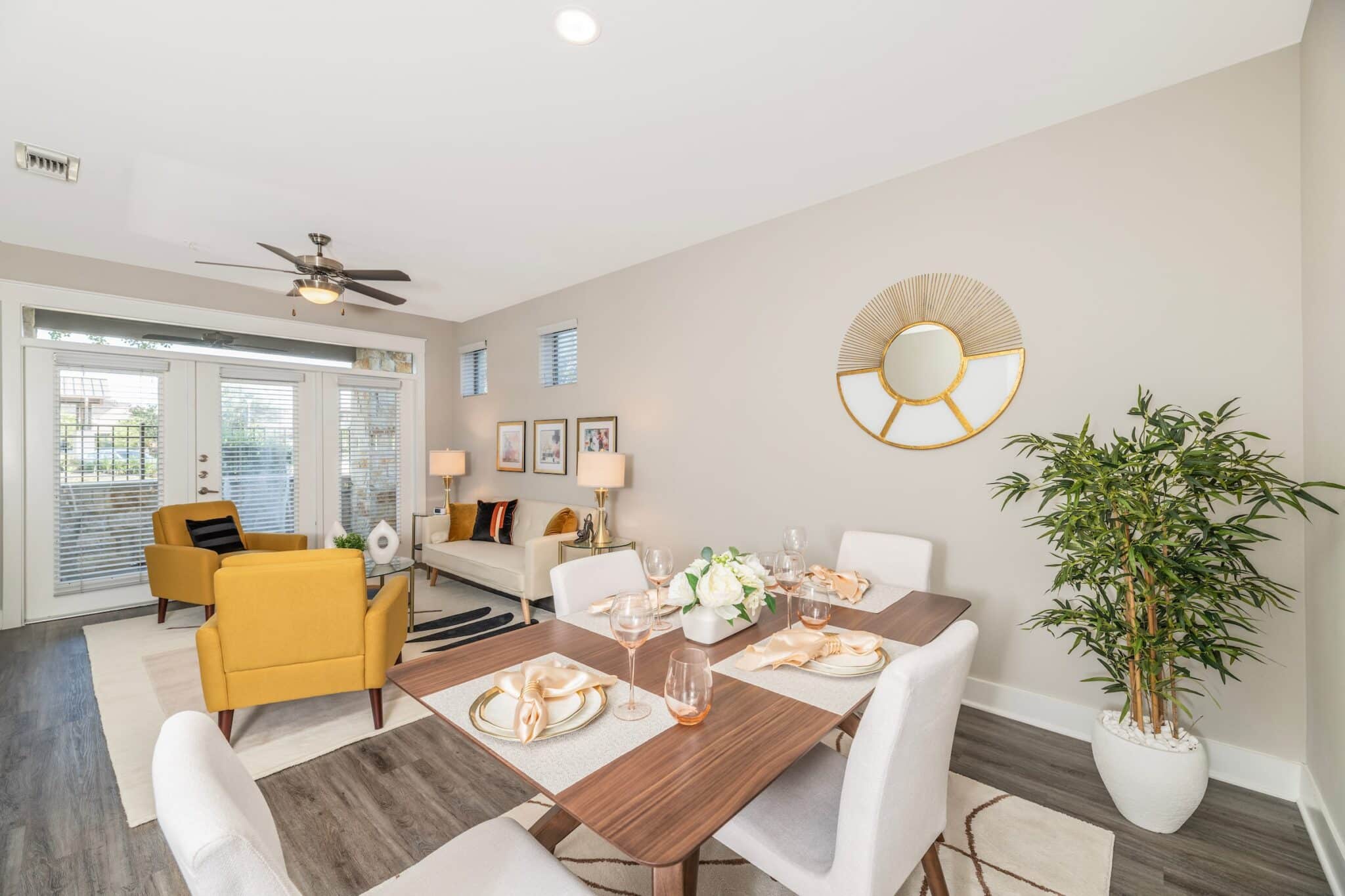
Multifamily renovations are rarely just about improving a property’s appearance. They are about protecting asset value, improving resident experience, and keeping operations efficient for your onsite teams. In our experience working with owners, investors, and property managers across the US, the difference between a renovation that runs smoothly and one that creates ongoing issues often comes down to avoiding a few common mistakes.
Table of Contents
ToggleTop Mistakes to Avoid in Multifamily Renovations
If you are planning capital improvements or repositioning an asset, here are nine mistakes we see too often and what to do instead.
- Not Understanding Your Target Resident
One of the biggest missteps is renovating based on assumptions rather than actual market demand. What works in a Class A urban asset will not translate to a workforce housing community. We have seen owners invest heavily in upgrades that do not move rents or reduce vacancy. Instead, align upgrades with your resident profile. What works in a large-scale apartment remodeling will not work for smaller projects. Conduct a detailed survey of your current market before you start the renovation. - Replacing Doors and Windows Too Early
Doors and windows are expensive line items. Replacing them without a clear need can quickly eat into your capital budget. If they are still functional, secure, and reasonably efficient, a full replacement may not be necessary right away. We often recommend repairs, sealing, or repainting as an interim solution. This approach keeps your budget focused on areas that directly impact leasing and resident satisfaction. - Overspending on Landscaping That Is Hard to Maintain
Curb appeal matters. It drives first impressions and leasing traffic. But high-maintenance landscaping can become a recurring burden for property managers and maintenance teams. We have seen communities install premium landscaping only to struggle with upkeep within months. A better approach is to use durable, region-appropriate plants and simple layouts. This keeps the property looking clean and well-maintained without creating ongoing operational headaches. - Ignoring Existing Building Conditions
Starting renovations without thoroughly assessing existing structural, plumbing, and electrical systems can lead to costly surprises mid-project. Hidden issues behind walls or under flooring often delay timelines and inflate budgets. Multifamily renovation planning must ensure a detailed pre-construction inspection to help identify risks early. - Avoiding Phasing in Occupied Properties
Renovating occupied multifamily communities without proper phasing can disrupt residents and leasing operations. Noise, access issues, and unclear timelines create frustration for both tenants and onsite teams. A structured phasing plan ensures work is completed in manageable sections while maintaining livability and minimizing vacancy impact. - Underestimating Procurement and Lead Times
Material delays are one of the most common causes of project slowdowns. Waiting until construction begins to finalize selections can stall progress and increase costs. Plan procurement early, confirm availability, and align deliveries with your project schedule to keep renovations moving without interruptions. - Ignoring Curb Appeal and Common Areas
While some owners overspend on interiors, others overlook exterior upgrades altogether. That creates a disconnect between the first impression and the unit experience. Leasing teams feel this immediately. Prospects make decisions within minutes of arriving on site. Invest in clean, well-lit exteriors, updated signage, and maintained common areas. These improvements support leasing efforts and create pride of place for residents. - Overlooking Energy Efficiency
Energy efficiency is not just about sustainability. It directly impacts operating costs, resident satisfaction, and long-term asset value. Older systems and inefficient fixtures increase utility expenses and can lead to higher turnover. Simple upgrades such as LED lighting, low-flow plumbing fixtures, and improved sealing can deliver measurable savings. Over time, these improvements also reduce maintenance calls and extend the life of building systems. - Hiring Contractors Without Multifamily Expertise
This is the mistake that creates the most disruption. A contractor without multifamily experience can lead to delays, budget overruns, and constant coordination issues. When evaluating a multifamily renovation contractor, look beyond price. Ask about multifamily experience, insurance coverage, project management processes, and references. A qualified partner keeps the project organized, so your teams are not dealing with daily fire drills.
How to Avoid Delays in Apartment Renovations
Delays usually come down to poor planning, unclear scope, or slow decision-making. Lock in your scope early, finalize material selections upfront, and account for procurement lead times before work begins. Work with a contractor who builds a realistic schedule, communicates weekly progress, and focuses on a value-add renovation strategy.
Why Partnering with the Right Professionals Matters
Multifamily renovation is not just construction. It is coordination across ownership, management, and residents. Renu, a multifamily general contractor, understands phasing, occupied unit work, and how to minimize disruption. We plan around leasing cycles, communicate clearly with onsite teams, and keep projects moving without constant escalations. From our perspective, the goal is simple. Keep projects on schedule and budgets predictable so your teams can stay focused on operations instead of chasing construction issues. Renovating a multifamily property is a significant investment. Successful renovations are not about spending more; they are about making the right decisions at the right time and executing them with the right partner.
#MultifamilyRenovations #RenovationContractors #RenovationPlanning #DallasHomes #Denver #Tampa #InteriorUpgrades #MultifamilyGeneralContractors #MultifamilyUpgrades #RealEstate #ApartmentsInteriorRenovations