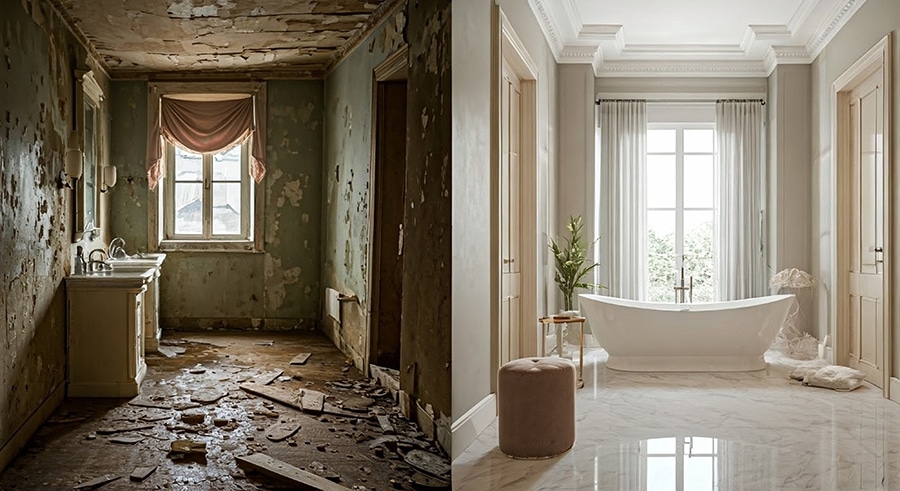
When water enters your home, the damage often looks the same at first. Wet floors. Stained walls. That damp smell that does not belong indoors. From a water damage cleanup and restoration standpoint, however, water damage and flood damage are not the same issue. They are caused by different events, restored differently, and handled very differently by insurance companies. Understanding the distinction early helps homeowners make faster decisions, reduce repair costs, and avoid coverage surprises once cleanup begins.
Table of Contents
ToggleCauses of Water Damage
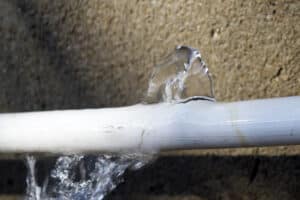
Water damage typically originates inside the home or from above. It is usually sudden, accidental, and limited to specific areas.
Common causes we see in homes include:
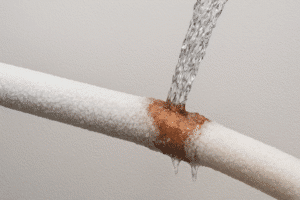
- Burst or frozen pipes
- Leaking plumbing connections
- Overflowing toilets, tubs, or sinks
- Failed washing machine or dishwasher hoses
- Water heater leaks
- Roof leaks caused by storm damage
- HVAC system drainage failures
Important things homeowners should know:
- Water damage can worsen quickly if not discovered early
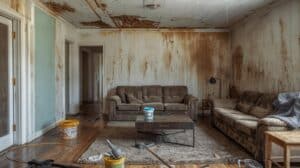
- Leaks from upper floors often damage ceilings and walls below
- Water can travel behind walls and under flooring before visible signs appear
From a restoration perspective, rapid water damage response is essential and allows for more controlled drying and targeted repairs.
Causes of Flood Damage
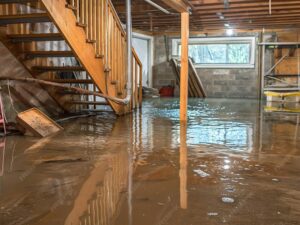
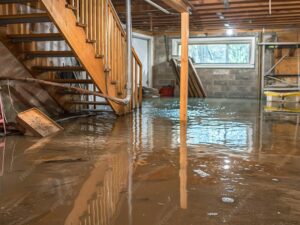
Flood damage comes from outside the home and enters at ground level. Flooding occurs when water overwhelms natural or built drainage systems and moves toward or into the structure.
Common causes of flood damage include:
- Heavy rainfall that exceeds drainage capacity
- Flash flooding during storms
- Hurricanes and storm surges
- Overflowing rivers, lakes, or nearby basins
- Poor grading or drainage around the home
- Water entering through doors, windows, or foundation walls
Key characteristics of flood damage:
- Water rises from the ground up
- Multiple rooms or entire floors are often affected
- Floodwater is almost always contaminated
Even a few inches of floodwater can cause extensive damage to flooring systems, wall assemblies, and indoor air quality.
The Difference Between Water Damage and Flood Damage
When it comes to flood vs water damage, the source of the water is the defining factor.
- Water damage starts inside the home or enters from above
- Flood damage originates outside and enters at ground level
Although the physical damage may look identical, the classification changes everything that follows.
Why the Difference Matters
The difference has implications for three broad areas:
- Insurance Coverage
- Homeowners’ insurance policies usually cover sudden water damage
- Flood damage usually needs a separate flood insurance policy
- Claims are often denied because the cause of the damage is not understood
- Health and Safety Concerns
- Floodwater is considered highly contaminated
- It may contain bacteria, sewage, chemicals, and debris
- Inadequate cleanup can cause mold and air quality problems
- Restoration Work and Costs
- Flood restoration work is more extensive
- More materials need to be removed and replaced
- Projects take longer and cost more
Understanding the type of water damage you are working with helps set the right expectations from the very start.
What Is the Process of Water Damage Restoration?
Water damage restoration involves stopping the source and drying the structure as quickly as possible.
The process usually involves:
- Locating and stopping the water entry
- Removing standing water
- Setting up professional drying and dehumidification equipment
- Monitoring moisture levels in walls, floors, and hidden areas
- Removing materials that cannot be dried
- Rebuilding areas that have been damaged once drying is complete
Water damage restoration can often save more of the home if started early.
What is the Process of Flood Damage Restoration?
Flood damage restoration starts with safety and contamination control.
The process generally includes:
- Removing floodwater and debris
- Demolishing porous materials that cannot be sanitized
- Cleaning and disinfecting all remaining surfaces
- Installing heavy-duty drying and dehumidification equipment
- Applying mold prevention treatments
- Rebuilding once the structure is confirmed dry and safe
Flood damage cleanup services and restoration often require closer coordination with insurance adjusters and more detailed documentation of loss.
Why Acting Quickly Makes a Difference
Water damage does not pause while decisions are made. Delays in acting fast can lead to mold growth, damaged materials, and higher water damage repair costs. Whether the issue is a burst pipe or rising water from outside, experienced IICRC-certified contractors at Renu help homeowners take the right steps immediately. Water damage and flood damage may look similar on the surface. From a restoration standpoint, they follow very different paths. Knowing the difference protects your home, your health, and your peace of mind.
#WaterDamageRestoration #WaterDamageCleanup #FloodDamage #WaterDamage #Renu #Restoration #Mitigation #HomeRestoration #Dallas #LasVegas #RestorationServices
Why Acting Quickly Makes a Difference
Water damage does not pause while decisions are made. Delays in acting fast can lead to mold growth, damaged materials, and higher water damage repair costs. Whether the issue is a burst pipe or rising water from outside, experienced IICRC-certified contractors at Renu help homeowners take the right steps immediately. Water damage and flood damage may look similar on the surface. From a restoration standpoint, they follow very different paths. Knowing the difference protects your home, your health, and your peace of mind.
#WaterDamageRestoration #WaterDamageCleanup #FloodDamage #WaterDamage #Renu #Restoration #Mitigation #HomeRestoration #Dallas #LasVegas #RestorationServices