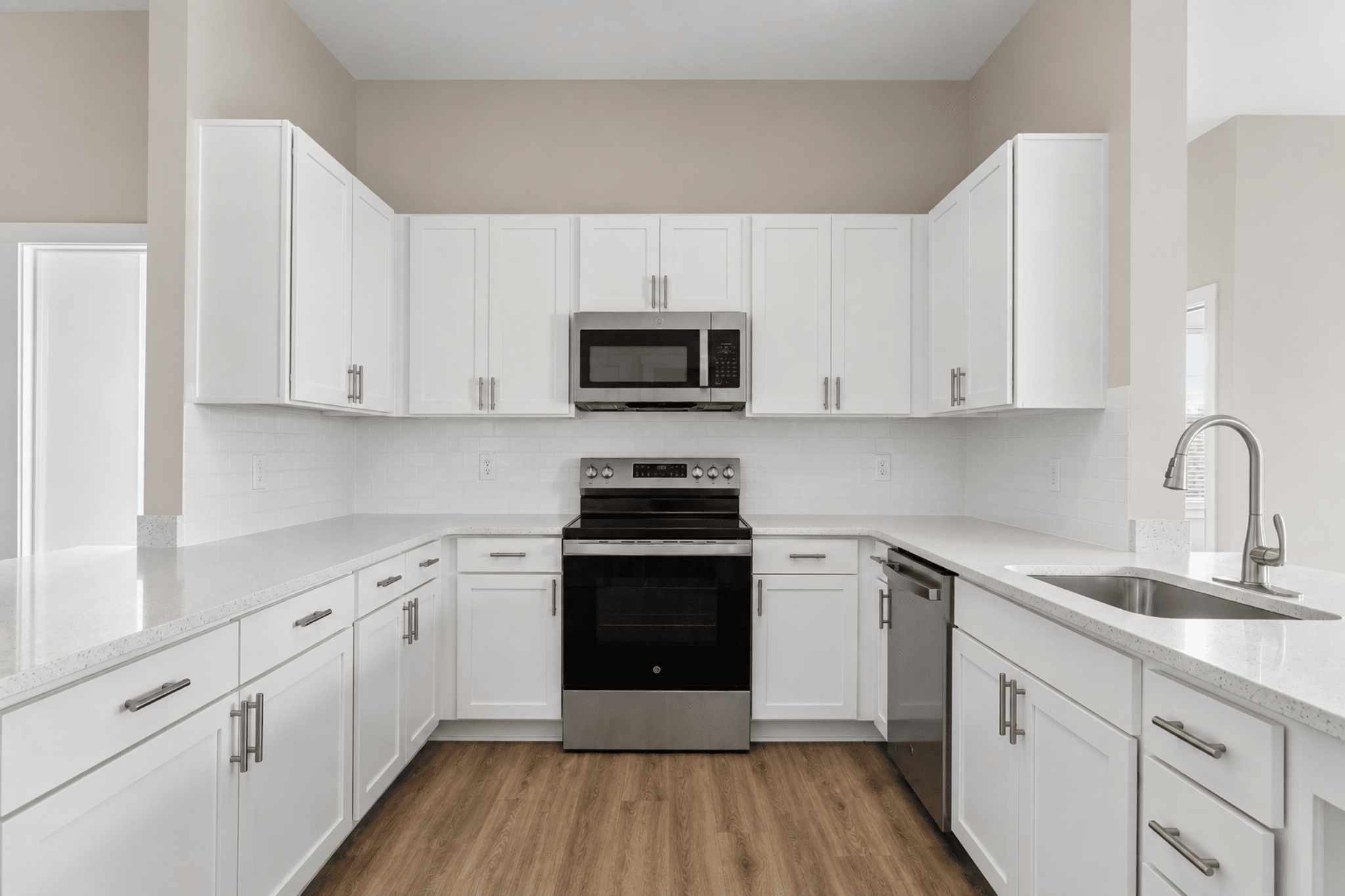
An updated kitchen or bathroom can change how an apartment looks, but successful interior renovation goes beyond appearance. For multifamily owners and operators, improvements to aging interiors can enhance everyday functionality, address worn materials, and support a property’s position in the rental market.
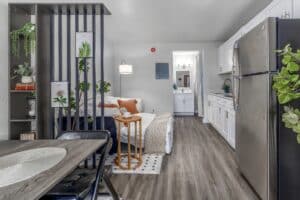
Apartment interior upgrades may include kitchen remodeling, bathroom improvements, flooring replacement, lighting updates, and new finishes. However, the value of these changes depends on how well they work together and reflect the community’s intended market position.
Renu provides turnkey multifamily interior renovation services, helping owners, investors, and property managers translate renovation objectives into coordinated improvements across apartment communities.
Establish an Interior Standard for Property Repositioning
Property repositioning involves making improvements that better align an apartment community with its intended rental market. Interior renovations play an important role because prospective residents experience these spaces directly.
Before selecting finishes, owners should consider the type of apartment experience they want to provide. An older community may need modernized kitchens and bathrooms, while another may benefit from a more consistent interior appearance across apartments renovated at different times.
A defined interior standard establishes expectations for materials, fixtures, colors, and finishes. It also helps ownership distinguish essential improvements from optional design features.
Rather than treating each apartment as a separate project, owners can use this standard to guide renovation decisions across the community.
Kitchen Upgrades That Improve Everyday Functionality
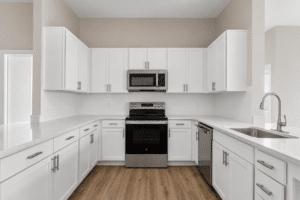
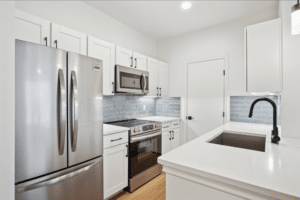
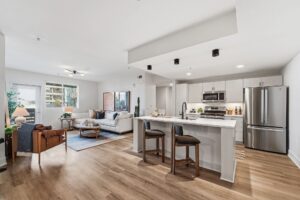
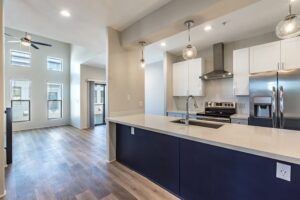
Kitchens combine several components that influence daily use, including cabinetry, countertops, plumbing fixtures, and work surfaces. Their condition can affect storage, maintenance, and the overall impression of an apartment.
Cabinet replacement can address damaged storage components or outdated configurations. New countertops may provide more suitable surfaces for regular use, while updated plumbing fixtures can improve functionality and complement surrounding finishes.
Not every kitchen requires a complete remodel. Where existing cabinetry remains serviceable, ownership may consider selected replacements or finish updates. More extensive renovations may involve multiple components and related plumbing or electrical work.
Renu’s interior renovation services include kitchen upgrades, cabinet replacement, countertop installation, plumbing fixtures, and associated finishing work.
Owners should evaluate how these components function together. A coordinated kitchen scope helps avoid mismatched finishes and establishes a consistent standard for future apartment renovations.
Bathroom Improvements That Address Aging Interiors
Bathrooms require a different approach because moisture exposure, frequent use, and routine maintenance place demands on fixtures and finishes.
A renovation may include shower improvements, vanity replacement, plumbing fixture updates, surface repairs, and painting. The appropriate scope depends on the condition of existing components and the intended interior standard.
Material selection deserves particular attention in bathrooms. Owners should consider moisture resistance, cleaning requirements, and compatibility with existing assemblies. Where conditions indicate potential plumbing or waterproofing concerns, qualified professionals should evaluate those issues before crews install replacement finishes.
Bathroom design should also account for practical use. Fixture placement, available storage, and suitable surface materials can influence how residents experience the space.
By addressing these considerations, owners can improve bathroom functionality while selecting finishes that complement the community’s broader renovation program.
Connect Flooring, Lighting, and Interior Finishes
Beyond kitchens and bathrooms, flooring, lighting, and finishes influence how individual rooms connect visually and functionally.
Flooring creates continuity between living areas, bedrooms, and adjoining spaces. Owners should compare material options based on expected use, cleaning requirements, replacement needs, and compatibility with existing subfloors.
Lighting contributes to visibility and everyday activities. Updated fixtures can support a more consistent appearance, although electrical conditions and applicable requirements may influence installation options.
Paint, trim, doors, and hardware provide additional opportunities to unify the interior. These details may appear minor individually, but inconsistent selections can make completed improvements feel disconnected.
For example, new kitchen finishes may contrast with worn flooring or mismatched hardware in adjacent rooms. Reviewing these elements together helps ownership establish a cohesive interior without requiring every component to be replaced.
Select Materials for Long-Term Property Use
Interior materials should support more than the appearance of a newly renovated apartment. Owners also need to consider how those products perform throughout regular occupancy and maintenance cycles.
Durability, cleaning requirements, replacement availability, and installation compatibility can influence material decisions. A finish that looks appealing in a sample may present challenges if maintenance teams cannot easily obtain matching replacements.
Standardizing frequently used materials can simplify future purchasing and maintenance. Consistent flooring products, cabinet hardware, plumbing fixtures, and paint specifications may also help property teams manage replacements across multiple apartments.
However, standardization should reflect actual building conditions. Differences in apartment layouts, existing substrates, and installed systems may require adjustments to the specifications.
The objective is to establish a practical material standard that supports the property’s intended appearance while accounting for long-term operational needs.
Choose Between Targeted and Full-Scope Renovations
Once ownership establishes the desired interior standard, the next consideration is how extensively each apartment must change to achieve it.
Targeted upgrades focus on selected components that remain compatible with the surrounding space. For example, an apartment with serviceable cabinetry and bathroom fixtures may benefit from new flooring, lighting, and interior finishes.
A full-scope renovation addresses a broader combination of components. This approach may suit apartments with extensive wear, outdated interiors, or multiple systems that require replacement.
Existing conditions should guide the final scope. Apartments within the same community may have different renovation histories, making a single replacement strategy unsuitable for every layout.
Renu supports multifamily owners in implementing defined renovation scopes, whether the project involves selected interior improvements or comprehensive apartment renovations.
Apply Design Trends With a Practical Perspective
Design trends can help owners understand changing preferences, but they should not determine every renovation specification.
The 2026 Multi-Housing News article, Midyear Style Report: Multifamily Kitchen & Bath Trends, offers industry perspectives on kitchen and bathroom design.
For multifamily owners, the challenge is distinguishing design choices that suit their community from features that may create unnecessary maintenance or replacement requirements.
Cabinet finishes, countertop materials, fixture styles, and color selections should complement the property’s intended positioning. Owners can also consider whether those products will remain available for future apartment renovations.
A practical design approach balances current appeal with material performance, maintenance considerations, and consistency across the community.
Bring Interior Standards Across Multiple Apartments
Implementing an interior standard across dozens or hundreds of apartments introduces requirements beyond selecting finishes for an individual space.
Different floor plans may require separate material quantities, cabinet dimensions, countertop measurements, and fixture specifications. Identifying these variations helps teams develop repeatable renovation scopes without overlooking layout-specific requirements.
Material procurement also affects implementation. Owners may need consistent product selections across multiple renovation phases, particularly when apartments become available at different times.
Renu’s turnkey interior renovation capabilities connect preconstruction planning, procurement, construction activities, and postconstruction closeout. This approach supports the implementation of approved specifications across multifamily renovation programs.
The result is a structured process for translating individual apartment improvements into a consistent property-wide interior standard.
Make Interior Improvements Part of a Clearer Property Strategy
Apartment interior upgrades can strengthen a multifamily property’s presentation while addressing functional and material needs. The greatest consideration is how kitchens, bathrooms, flooring, lighting, and finishes contribute to a cohesive interior experience.
A defined renovation standard helps owners make informed material and scope decisions while maintaining consistency across the community.
Planning interior improvements for your multifamily property? Connect with Renu to discuss your apartment renovation goals.