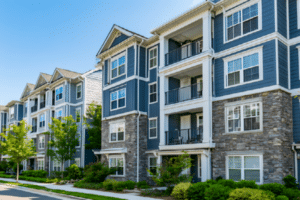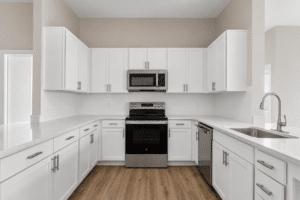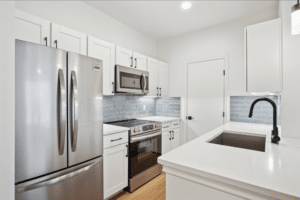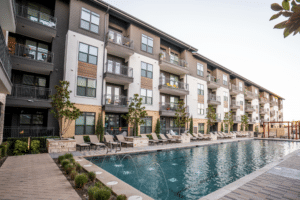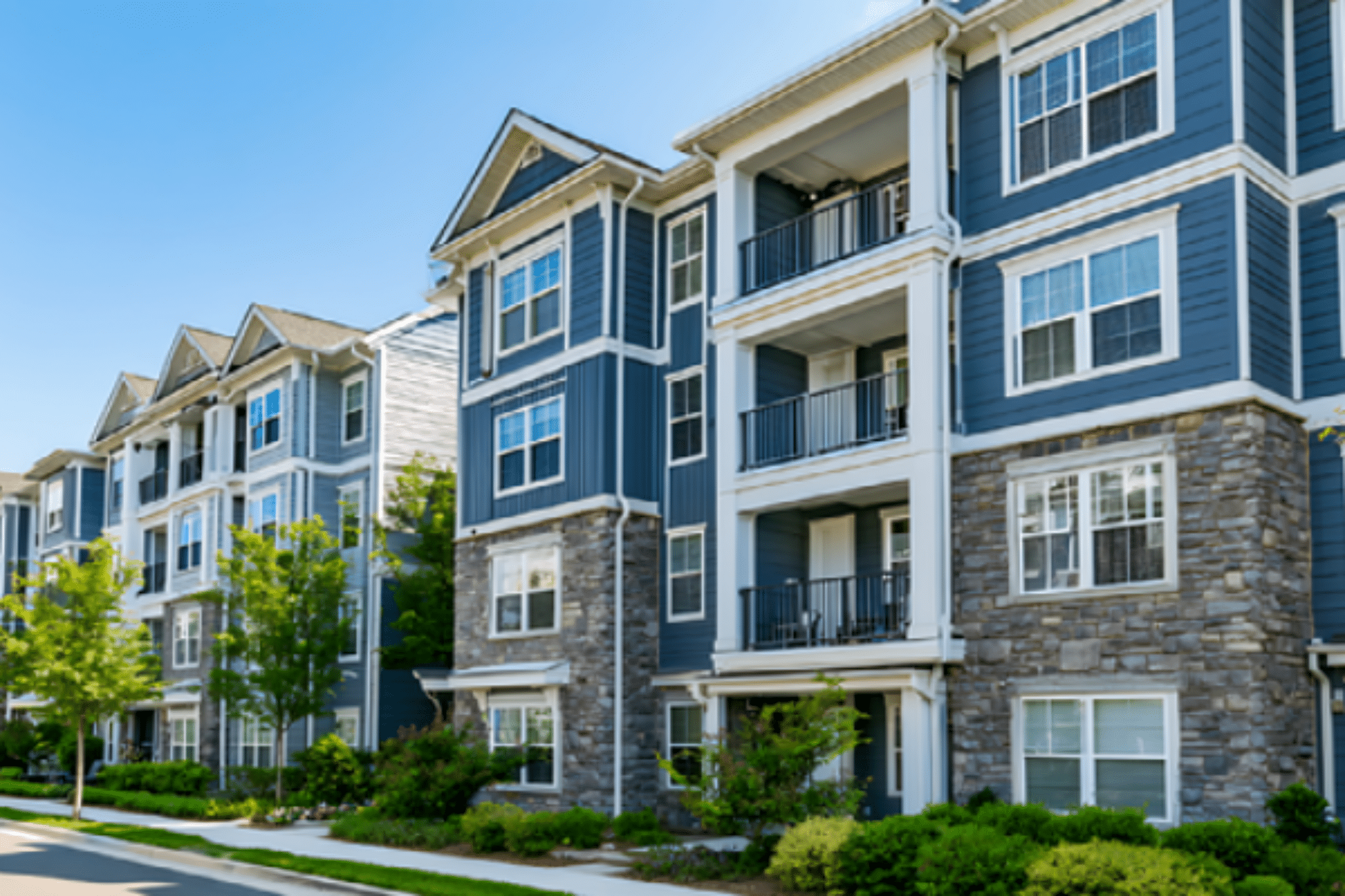
Renovating an active multifamily community requires more than organizing construction activities. Residents continue their daily routines, property teams manage ongoing operations, and multiple trades must complete work across occupied buildings and shared spaces.
Effective multifamily renovation planning establishes how these activities will move forward together. Project scope, scheduling, procurement, site logistics, and stakeholder responsibilities all influence construction execution. Decisions made during preconstruction provide the foundation for managing these requirements throughout the renovation.
At Renu, preconstruction connects ownership’s investment objectives with the construction requirements needed to deliver approved improvements. That coordination continues through field execution, project oversight, and closeout.
Turn Renovation Goals Into a Defined Construction Scope
Before construction begins, ownership and the project team must establish which improvements the renovation will include.
A defined scope identifies the required work, applicable specifications, and responsibilities associated with each construction activity. For large multifamily communities, renovation programs may involve apartment interiors, building exteriors, roofing, and shared facilities.
Renu reviews existing conditions from a construction perspective and works with project stakeholders to translate approved renovation priorities into actionable requirements.
Scope development also identifies decisions that require ownership approval, technical evaluation, or additional documentation.
These details provide the basis for estimating costs, organizing resources, and establishing construction expectations. They also give project managers a reference for evaluating progress and addressing changes once fieldwork begins.
Understand the Property’s Operating Conditions
An active multifamily community presents construction requirements that differ from those of an unoccupied site.
Residents use entrances, parking areas, walkways, and shared facilities while property personnel continue managing maintenance, leasing, and daily operations.
Building configurations, available staging areas, delivery routes, and existing systems influence where crews can work and how equipment and materials move throughout the property.
Understanding these conditions helps the project team establish practical site arrangements before construction begins.
The National Apartment Association’s Q2 2026 Apartment Market Pulse discusses multifamily market conditions and differences across individual markets. These considerations reinforce the importance of evaluating renovation investments according to property-specific objectives rather than applying identical improvement strategies across communities.
Renu works with ownership and property management to identify relevant site requirements and incorporate them into construction planning.
Develop a Schedule That Reflects Construction Dependencies
A renovation schedule must account for more than the intended completion date.
Different trades often depend on work completed during earlier construction stages. Plumbing and electrical modifications may need completion before crews close walls, while substrate preparation must precede certain flooring or finishing activities.
Material availability, access requirements, and approved work areas also influence when construction activities can proceed.
During preconstruction, project managers establish milestones that reflect these relationships and the resources required for each phase.
Once fieldwork begins, schedule management becomes an ongoing responsibility. Project teams monitor completed activities, identify outstanding requirements, and communicate adjustments that affect upcoming work.
This approach connects the original construction plan with the conditions encountered during execution.
Connect Procurement With Field Requirements
Material procurement plays an important role in both budgeting and construction scheduling.
In July 2026, the Associated General Contractors of America reported elevated construction input costs compared with the previous year. Although the referenced measure concerns nonresidential construction rather than multifamily renovation specifically, it illustrates the importance of monitoring material pricing.
Procurement planning involves confirming approved products, required quantities, purchasing schedules, delivery arrangements, and storage conditions.
For large multifamily renovation programs, material consistency also deserves attention. Product specifications must account for the intended installation requirements and differences in existing building conditions.
Purchasing decisions should support the construction sequence so crews can access the materials required for their scheduled activities.
Coordinating procurement with field operations helps project managers maintain visibility into material requirements throughout the renovation.
Coordinate Trades Through Active Project Oversight
Once construction begins, project management shifts from establishing requirements to coordinating their execution.
Multifamily renovations may involve carpentry, flooring, painting, roofing, plumbing, electrical, and other specialized trades. Each discipline has distinct responsibilities, but their activities often depend on shared work areas or completed tasks.
Field coordination establishes crew assignments, access arrangements, material movement, and the sequence of construction activities.
Onsite supervision also provides a means of identifying incomplete work, addressing field questions, and communicating requirements between the construction team and project stakeholders.
Renu brings these activities together through turnkey construction management and hands-on project oversight.
Rather than requiring ownership to coordinate separate construction disciplines independently, this approach establishes a central construction partner responsible for managing the approved work.
Keep Property Teams Informed Throughout Construction
Property management and construction teams have different responsibilities, but their activities must remain connected during renovation.
Property personnel manage resident relationships, operational requirements, and routine community activities. Construction teams oversee fieldwork, labor coordination, equipment, and project schedules.
Clear communication helps both groups understand activities that may affect their responsibilities.
Construction updates should identify relevant work areas, anticipated access requirements, schedule adjustments, and matters requiring property management attention.
Renu provides construction-related information that property teams can use when preparing resident communications. Property management remains responsible for communicating directly with residents.
Ownership also benefits from reporting that distinguishes completed activities, outstanding decisions, and issues requiring review.
A defined communication process supports informed decision-making without shifting operational responsibilities away from the appropriate stakeholders.
Manage Changes and Maintain Construction Quality
Renovation work can reveal existing conditions that require additional evaluation after construction begins.
Concealed components, variations between buildings, and unforeseen material conditions may affect the approved scope or construction methods.
Project managers must document these findings, communicate their implications, and obtain the necessary decisions or approvals before proceeding with affected work.
Quality oversight remains equally important.
Construction teams review completed activities against applicable specifications and project requirements. Certain work may require evaluation before subsequent materials or finishes conceal the underlying components.
Renu incorporates quality assurance into its construction management process, helping maintain accountability across different renovation activities.
Qualified professionals and relevant authorities remain responsible for specialized evaluations, regulatory inspections, and official approvals where required.
Carry Project Oversight Through Closeout
Construction management does not end when crews complete the primary installation work.
Closeout involves reviewing outstanding items, completing applicable inspections, organizing project documentation, and addressing contractual requirements before handover.
Punch walks help identify work that requires correction or completion. Warranty information, product documentation, and other agreed deliverables provide property personnel with relevant information about the renovated areas.
The project team must also communicate the status of remaining responsibilities so ownership understands what has been completed and what still requires attention.
Renu’s turnkey approach connects preconstruction, field execution, quality oversight, and postconstruction closeout.
Maintaining continuity across these stages supports an organized transition from active construction to routine property operations.
Keep Every Moving Part Working Together
Multifamily renovation planning establishes the foundation for construction, but effective project management carries that plan through execution and completion.
A defined scope guides the work. Scheduling and procurement organize resources. Trade coordination and project communication connect construction activities with ongoing property operations. Quality oversight and closeout address the requirements that remain as the project progresses.
Renu brings these responsibilities together through turnkey construction management for large-scale multifamily renovation programs, providing owners and operators with one construction partner throughout the process.
Planning improvements across your multifamily community? Explore Renu’s multifamily renovation services.