The adaptive reuse of existing buildings is an essential strategy for addressing pressing urban challenges. The transformation of obsolete buildings into housing is a solution that addresses both the country’s current housing shortage and our cities’ changing needs. As office vacancies hit record highs, 2026 presents a pivotal moment for adaptive reuse. Innovative multifamily developers are transforming underutilized commercial spaces into thriving residential communities. This shift isn’t just about property conversion projects; it’s about reimagining urban living and contributing to sustainable living practices.
Table of Contents
ToggleWhat is Adaptive Reuse?
Adaptive reuse is the process of taking an existing structure and converting it for a new purpose. In the multifamily industry, this often means transforming older office towers, commercial buildings, hotels, or industrial properties into apartment communities. With changing times and growing community needs, this niche strategy is now becoming a core development approach as families are growing. For multifamily owners, investors, and property managers, maximizing property value through adaptive reuse is a practical solution. It also aligns with sustainability goals, reduces material waste, and preserves the historical character that many residents value today.
Commercial to Housing: Adaptive Reuse Trends for Multifamily Developers in 2026
The shift from office to residential transformation is one of the most significant property conversion trends shaping 2026. Changes in working styles and the introduction of remote and hybrid work patterns have permanently altered the demand for traditional offices. As a renovation-focused general contractor working directly with owners, investors, and property managers, we are seeing several new trends emerge on the ground. These include:
- A Rise in Feasibility-Driven Conversions
The office building is no longer viewed as a one-size-fits-all opportunity. Rather, through detailed structural assessments, floorplate efficiency studies, and MEP compatibility audits, true conversion potential is determined. Moving ahead in 2026 are projects that have passed rigorous early-phase screening, which have ensured stronger ROI and lower redesign costs. - Incentive-Backed Projects Surge
Cities experiencing housing shortages are offering more direct incentives than ever before, from expedited plan review to property tax abatements and density upgrades to grants for upgrading outdated infrastructure. - Demand Strengthens for Amenity Ready Shells
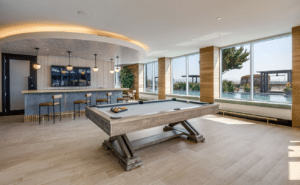
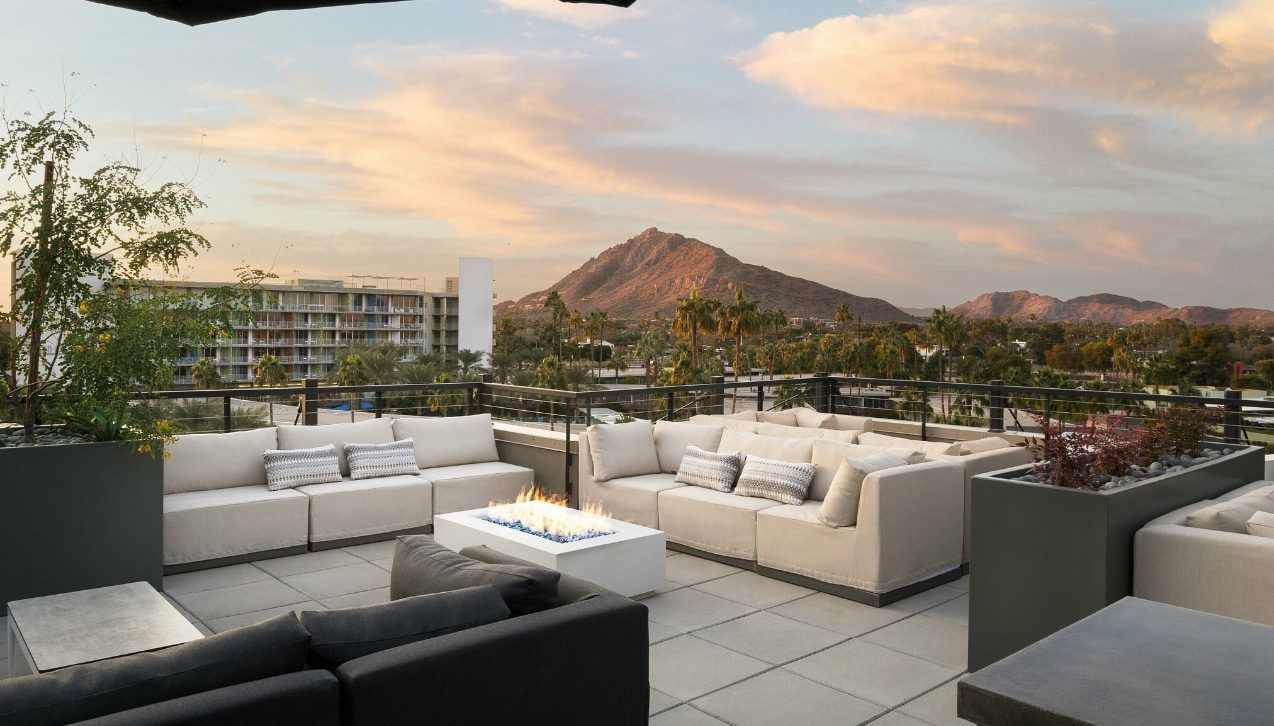
Modern renters expect hospitality-caliber amenities. Older office buildings often provide generous floor-to-floor heights and wide structural bays that support larger fitness centers, collaborative lounges, coworking areas, and rooftop amenities. Developers are selecting the buildings in 2026 that can support this amenity-heavy programming without costly structural overhauls. - Surge in Sustainable Construction Priorities
By choosing adaptive reuse projects, we are focusing on prioritizing energy retrofits and integrating solar energy use, thus promoting sustainability. These practices are becoming a norm in 2026 renovation scopes, along with the growing importance of ESG reporting for institutional investors. - Hybrid Living and Working Layouts Rise
Changing work patterns are revolutionizing how homeowners want their units to be. They are looking at units with built-in work niches, well-designed micro-offices, and shared work zones within the building. Adaptive reuse projects are uniquely suitable to deliver this. - Shift Toward Faster Construction Delivery Models
More and more projects are now making use of design-assist workflows and integrated project delivery systems, as well as digital pre-construction planning. This helps expedite the project and manage costs better.
Evaluating Feasibility: What Developers Should Prioritize
Adaptive reuse projects are rewarding but technically demanding. As contractors, here are the core considerations we evaluate early:
- Structural Conditions
Office slabs and column spacing may require reinforcement or selective removal. Structural assessments help determine layout options, mechanical chases, and unit configuration viability. - Building Systems and Integration
It is essential that modern HVAC, plumbing, electrical, and safety systems align and fit well within an older building. - Compliance With Current Codes
Close collaboration with city officials is required to ensure that accessibility, fire separation, ventilation, and energy standards are met.
Why Adaptive Reuse Will Shape Multifamily Development in 2026
For owners and operators looking to reposition assets, adaptive reuse benefits include better utilization of spaces, resilient economics, faster delivery times, and strong community impact. It brings new life to underperforming properties, supports local revitalization efforts, and adds much-needed housing supply to high-demand corridors.
As general contractors serving the multifamily sector, our team at Renu perceives adaptive reuse not as a trend but as a long-term development strategy. With the right planning, due diligence, and collaborative execution, commercial to residential conversion will remain one of the most effective ways to deliver quality housing while strengthening the built environment.
#AdaptiveReuse #MultifamilyProjects #MultifamilyRenovations #CommercialProjects #Conversion #PropertyConversion #AdaptiveReuseTrends