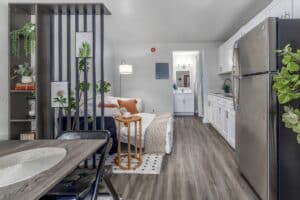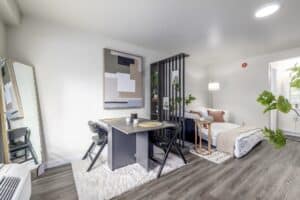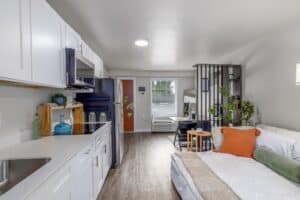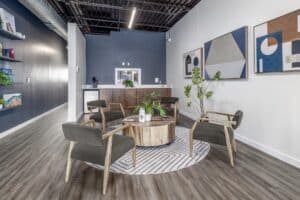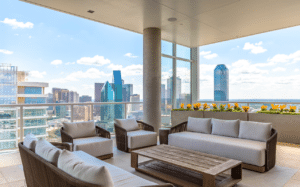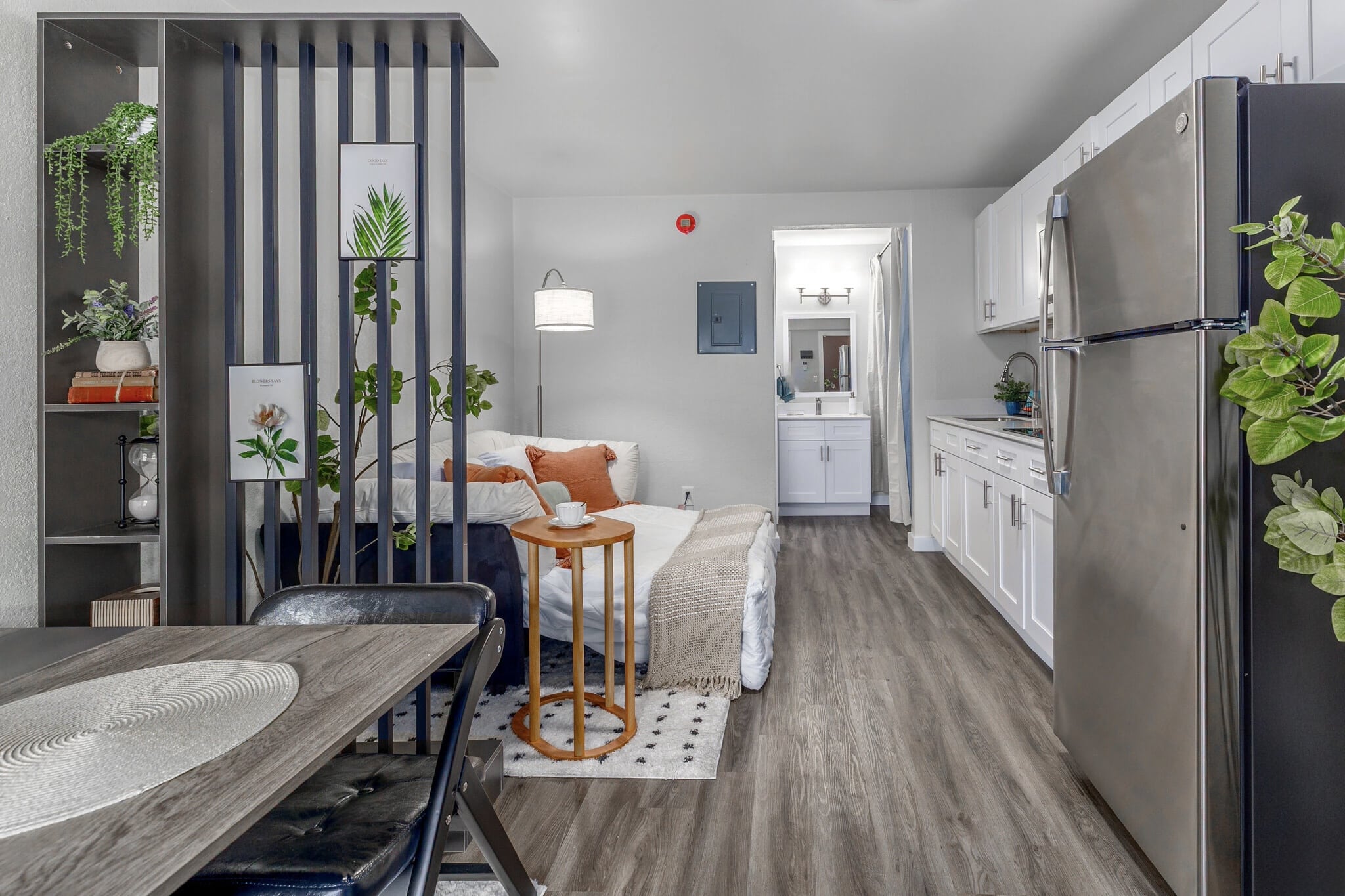
An underused building does not always need to be replaced. Sometimes it needs a new purpose.
Across the United States, owners and investors are looking at existing office buildings, motels, and commercial properties and asking whether those assets can support residential use.
That opportunity is driving interest in adaptive reuse.
Converting an existing property into residential units can extend the useful life of the building while creating a new path for the asset. But a successful conversion requires much more than changing the interior layout. Owners need to understand whether the property can support the intended use, what construction will be required, and how the conversion can progress efficiently from planning through completion.
Renu specializes in adaptive reuse projects that transform outdated or underused properties into modern, livable spaces. Our teams work with owners and investors on Office to Residential conversions, Motel to Apartment conversions, Extended Stay and Limited-Service hotel conversions, and full building repurposing.
Why Owners Are Looking Differently at Existing Properties
Adaptive reuse creates another option for owners evaluating properties that no longer perform as originally intended.
An office building may have a strong location but no longer meets current workplace demand. An Extended Stay or Limited-Service hotel may have a configuration that creates an opportunity for residential conversion. Other commercial properties may have characteristics that support an entirely different use.
Rather than looking only at what the building is today, owners can evaluate what the property could become.
This is particularly relevant as communities continue looking for ways to increase housing supply.
The Urban Institute notes that converting underused offices into housing can add residential units while giving existing properties another purpose. Its research also makes an important distinction: not every building is suitable for conversion. Floor plans, windows, zoning, financing, and other physical and regulatory conditions can affect feasibility.
That is why adaptive reuse needs to begin with evaluation rather than construction.
Due Diligence Comes Before the Conversion
A compelling conversion idea still needs to work within the realities of the property.
Due diligence helps owners and investors determine whether the existing building aligns with the intended plan before major construction decisions are made.
This evaluation can include zoning, environmental conditions, structural integrity, historical considerations, and other property specific factors.
The physical configuration of the building is particularly important.
Office buildings may have deep floor plates that create challenges when designing residential units with appropriate access to windows. Existing plumbing locations may not align with the proposed residential layouts. Mechanical systems designed for commercial use may require significant changes.
Renu supports owners and investors through due diligence, so these conditions can be considered as the project takes shape.
The goal is to enter construction with a clearer understanding of both the opportunity and the requirements of the existing assets.
Preconstruction Turns the Concept Into a Plan
Once an adaptive reuse project moves forward, preconstruction planning establishes the foundation for execution.
Site conditions need to be understood. The construction scope needs to be developed. Budgets and schedules need to reflect the work required to transform the property. Permits and approvals also need to align with the proposed change in use.
This is where the conversion begins moving from an investment concept toward a buildable project.
Renu brings construction considerations into the process early through site analysis, budgeting, scheduling, and planning required permits and approvals.
For owners, this creates greater visibility before major construction activity begins.
It also allows the team to identify how structural work, building systems, interior construction, and material requirements need to come together to support residential use.
Office to Residential Conversion Requires More Than New Interiors
An office building and an apartment community serve very different purposes.
That difference affects construction.
Office floor plans need to become residential units. Plumbing may need to support kitchens and bathrooms throughout the converted space. Electrical and mechanical systems may require modification. Walls, corridors, entrances, common areas, and other spaces need to support how residents will use the building.
Some buildings are naturally better suited to this transformation than others.
Research from the National Bureau of Economic Research estimated that about 15 percent of office buildings in the commercial districts of the 105 largest U.S. cities were physically suitable for conversion before additional occupancy and environmental considerations were applied.
That finding reinforces why property selection and due diligence are so important.
The opportunity may be significant, but successful adaptive reuse starts with the right building.
Hotels Can Offer Another Path to Residential Use
Office conversions receive significant attention, but they are only one form of adaptive reuse.
Renu also specializes in Extended Stay and Limited-Service hotel conversions.
Hotels already contain individual rooms, corridors, plumbing, electrical systems, and other features associated with residential occupancy. However, converting a hotel into apartments still requires careful planning around layouts, building systems, residential requirements, common spaces, finishes, and the intended use of the completed property.
The existing building needs to be evaluated against the new residential plan.
From there, the construction team can establish what remains, what changes, and how the work should progress.
Renu brings experience in both multifamily renovation and commercial to residential conversions to help connect those decisions to execution.
Material Procurement Needs to Support the Schedule
A construction schedule depends on having the right materials in place when each phase of work is ready to begin.
Renu manages material procurement as part of the adaptive reuse process, coordinating materials according to project specifications, budget, quality requirements, and construction schedules.
For larger conversions, where materials are needed across multiple units and phases, Renu aligns purchasing and deliveries with the sequence of construction activities.
By managing procurement alongside construction, Renu keeps materials, crews, schedules, and project requirements coordinated from one phase to the next.
Onsite Supervision Keeps the Conversion Connected
Adaptive reuse projects involve many moving parts.
Existing conditions can influence construction decisions. Multiple trades may work across different areas of the property. Completed phases need to align with the project requirements while later phases continue moving forward.
Dedicated onsite supervision helps keep these activities connected.
Renu provides onsite oversight focused on execution, coordination, communication, and project accountability.
Our teams manage construction activity around the established scope and schedule while maintaining visibility into what is happening at the property.
For owners and investors, that means the project is supported by a team focused on how individual construction activities contribute to the completed conversion.
Owners Need Visibility as the Project Moves Forward
Construction progress is only part of what investors need to understand.
They also need visibility into budgets, schedules, completed work, upcoming activity, and conditions that may affect the project.
Client reporting creates that connection.
Renu provides timely project updates, budget information, and documentation throughout the conversion so stakeholders can make informed decisions as work progresses.
Clear reporting becomes especially important when a project is being completed in phases or when several investment stakeholders are involved.
The objective is to make the construction process more transparent from due diligence through project completion.
A Turnkey Approach to Adaptive Reuse
The opportunity behind an underused property may begin with a simple idea: this building could become something more productive.
Turning that idea into a rent-generating residential asset requires much more.
The property needs to be evaluated. The conversion needs to be planned. Materials need to be procured. Construction needs to be phased and supervised. Owners and investors need clear information throughout the project.
Renu brings those requirements together through turnkey adaptive reuse solutions.
Put an Underused Asset Back to Work
Adaptive reuse is ultimately about changing what an existing property can do.
For an owner or investor, that may mean transforming an outdated office, hotel, or commercial building into residential units capable of generating new rental income.
The opportunity starts with the building. Successful execution depends on what happens next.
Have an office, hotel, or commercial property with conversion potential? Bring Renu in early to evaluate the opportunity and build a turnkey path toward a rent generating residential asset.
#AdaptiveReuse #CommercialToResidential #OfficeToResidential #MultifamilyConstruction #CommercialRealEstate #RealEstateDevelopment #Renu