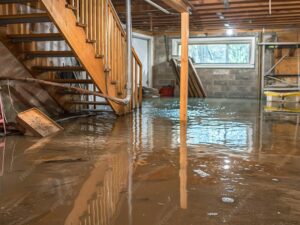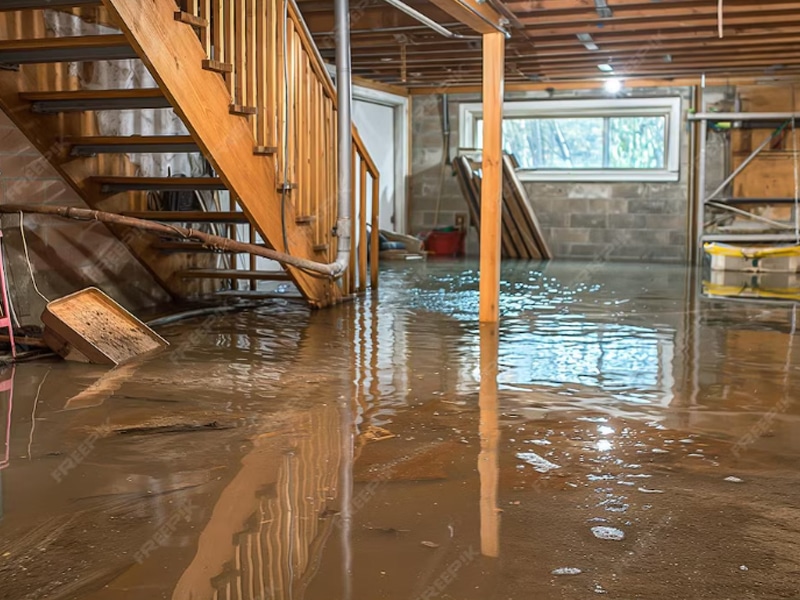
Water intrusion in basements is one of the most disruptive challenges faced by homeowners. A flooded or damp basement can quickly lead to structural damage, resident complaints, mold concerns, and costly downtime for maintenance teams. From a contractor’s perspective, the real solution is not just to clean up after a flood. The goal is to combine proactive basement waterproofing with efficient emergency water extraction so properties remain safe, operational, and predictable from a budgeting standpoint.
Table of Contents
ToggleProactive Basement Waterproofing Solutions
In single-family homes, basements often house critical systems such as mechanical rooms, electrical infrastructure, storage areas, and sometimes resident amenities. When water enters these spaces, the operational impact can be significant. A proactive waterproofing strategy includes:
- Interior drainage systems
Interior drainage channels collect water along the wall and floor joint and guide it into a drainage system or sump pit. These systems are especially useful in older buildings where exterior excavation may not be practical. - Under Slab Drainage
The use of perforated pipes placed in the basement area to collect the rising groundwater and pump it out of the basement area is effective in regions with high groundwater levels. - High-Capacity Sump Pump Systems
Sump pumps are the core of every basement waterproofing system. In single-family homes, high-capacity pumps are used to pump out water quickly, thus preventing accumulation in the basement area due to rainfall. - Backup power source, either battery or water pressure
Sump pumps are used to pump out water from the basement. A backup power source, either battery or water pressure, is used to pump out water in the event of a power outage. - Waterproof Coatings
The use of elastomeric or cement coatings to line the basement walls and floors provides an additional layer of protection to the building from moisture penetration. - Basement Moisture Control
Even with the best waterproofing systems, it is common to experience moisture in the basement area. High-performance dehumidifiers are used to control moisture in the basement area. Moisture is removed from the air, and the water is directed to a sump pit or drainage area.
Steps of Emergency Water Extraction
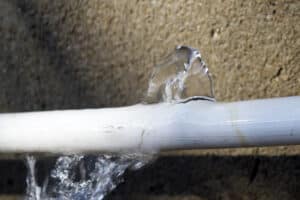
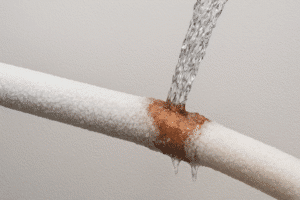
Despite the best preventive systems, extreme weather events or plumbing failures can still lead to basement flooding. When that happens, quick and organized action limits damage and reduces water damage restoration costs. Here are key steps to help stabilize the situation
- Prioritize safety
Turn off the power to the basement if it is safe to do so. Water and electricity together create serious hazards. Staff entering flooded areas should use protective gear such as gloves and boots since floodwater may contain contaminants. - Identify the source
Determine whether the flooding is caused by heavy rainfall, a burst pipe, a drainage failure, or a sewer backup. Identifying the source allows the repair team to address the root issue while cleanup begins. - Begin water removal
Standing water must be removed as quickly as possible. Sump pumps and commercial water extraction equipment are typically used for larger floods. For smaller areas, wet vacuums can help remove remaining water.
Prompt water mitigation reduces the risk of structural damage and mold growth. - Dry the space
After extraction, the basement must be thoroughly dried. Ventilation, industrial fans, and dehumidifiers help remove moisture trapped in concrete, drywall, and flooring materials. - Remove damaged materials
Carpets, insulation, cardboard storage boxes, and other porous materials often need to be removed if they remain wet for long periods. Keeping these materials in place can accelerate mold development. - Clean and disinfect
Structural drying for the basement includes complete disinfection to remove contaminants and bacteria from floodwater exposure.
Preventive Measures for the Future
The next phase after the current situation has been brought under control is to take preventive measures to ensure that the incident does not repeat itself in the future. Property owners and managers can benefit by evaluating the waterproofing and drainage systems of the building after every flood incident.
The key preventive measures that can be taken are:
- Regular inspection of the sump pumps
- Cleaning of gutters and downspouts
- Sealing of cracks on the foundations of buildings
- Improvement of grading around buildings
- Installation of perimeter drains
Regular inspection of the systems can help prevent unexpected breakdowns and allow the management to stay ahead of the problem of water accumulation.
Advanced Techniques for a Water-Free Basement Environment
Today, various technologies are available that can be incorporated to maintain a water-free basement environment. These include:
- Upgraded basement windowsUpgraded basement windows can be incorporated to maintain proper ventilation and meet current safety codes for basement egress. Window wells can be incorporated with covers to prevent the accumulation of dirt and water.
- Air Purification Systems
Basements often contain pollutants such as mold spores, dust, and allergens. Professional air purifiers help remove these contaminants and improve indoor air quality across the property. - Integrated moisture management
Combining drainage systems, sump pumps, dehumidifiers, and air purification creates a comprehensive moisture management strategy that keeps basements dry and usable year-round.
Why Professional Contractors Make the Difference
Basement flooding is rarely a simple maintenance issue. It often involves structural concerns, mechanical systems, and environmental health risks. Professional restoration contractors bring several advantages to flooded basement cleanup projects. They identify the underlying cause of water intrusion rather than applying temporary fixes. This prevents the cycle of recurring repairs that frustrates maintenance staff and drives up operational costs. Additionally, they use commercial-grade extraction and drying equipment that removes moisture quickly and thoroughly.
Basement flooding can disrupt operations, damage infrastructure, and create costly repairs if left unchecked. The most effective strategy combines proactive basement waterproofing with rapid emergency water extraction. When these systems work together, properties remain dry, maintenance teams spend less time dealing with recurring water issues, and owners protect the long-term value of their assets. Working with experienced professionals like Renu for basement water damage repair ensures the right solutions are installed from the start. The result is a safer, healthier, and more resilient building that performs reliably year after year.