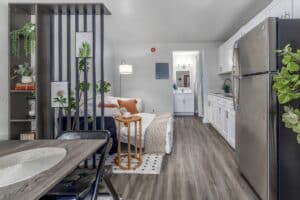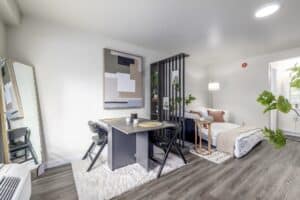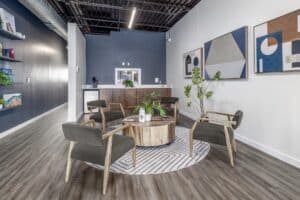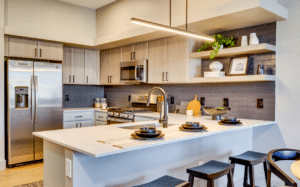
There is a quiet transformation happening across American cities. It does not make headlines the way a new tower does, and it rarely draws the kind of ceremony that attracts cameras. But it is changing how developers think, how cities plan, and how ordinary people find a place to live. Adaptive reuse, the conversion of underperforming commercial buildings into residential communities, has moved from a niche strategy to one of the most consequential forces reshaping multifamily real estate today.
Table of Contents
ToggleA Housing Shortage That Is Structural, Not Temporary
The United States is significantly short on housing. Most serious analyses put the national deficit somewhere between three and seven million units. A gap that has been building for over a decade. Underbuilding after the 2008 financial crisis, rising construction costs, restrictive zoning, and continued urbanization have combined to produce a shortage that is now felt well beyond coastal metros. Rents have climbed to levels that consume an unsustainable share of household income. Essential workers are being priced out of the cities they serve. Adaptive reuse is not simply a real estate strategy. It is one of the most practical responses available to a genuine social and economic problem.
Commercial Real Estate Is Carrying Excess It Cannot Absorb
While cities are starved of housing, their commercial districts are dealing with the opposite, too much space that nobody needs anymore.
Remote and hybrid work has permanently restructured office demand. Companies have downsized their footprints. Subleases are flooding the market. Older Class B and Class C office stock, lacking the amenities and floor plate efficiency modern tenants expect has effectively been stranded. Office vacancy across major metros tells the story clearly. San Francisco, Chicago, and Washington D.C. have seen vacancy rates exceed 20 percent in certain submarkets. In some downtown cores, entire blocks of office space sit functionally obsolete.
Why Conversion Makes More Sense Than Building From Scratch
Ground-up residential development in an established urban core is genuinely difficult. Land is scarce. Entitlements take years. Construction costs have risen sharply. The time between concept and occupancy can stretch to five or seven years – far too slow for a housing shortage that is worsening now.
Adaptive reuse compresses that timeline. The building already exists. The land is entitled. Utilities, transit access, and structural infrastructure are already in place. What sits as a liability on a balance sheet becomes the foundation of a solution. This is why building conversion is not just financially attractive, it is structurally essential in markets where the gap between housing supply and demand continues to widen.
What Buildings Are Actually Being Converted
Not all adaptive reuse is the same. Here is what is moving most in the current market.
- Office to Residential
Older office stock, particularly buildings with smaller floor plates, converts reasonably well to residential. The narrower the building, the better. Wide floor plates create interior units with no access to natural light. A problem no amount of clever design fully solves. A building where you cannot put the majority of the existing structure to productive residential use is usually a deal that does not pencil. - Hotel to Multifamily
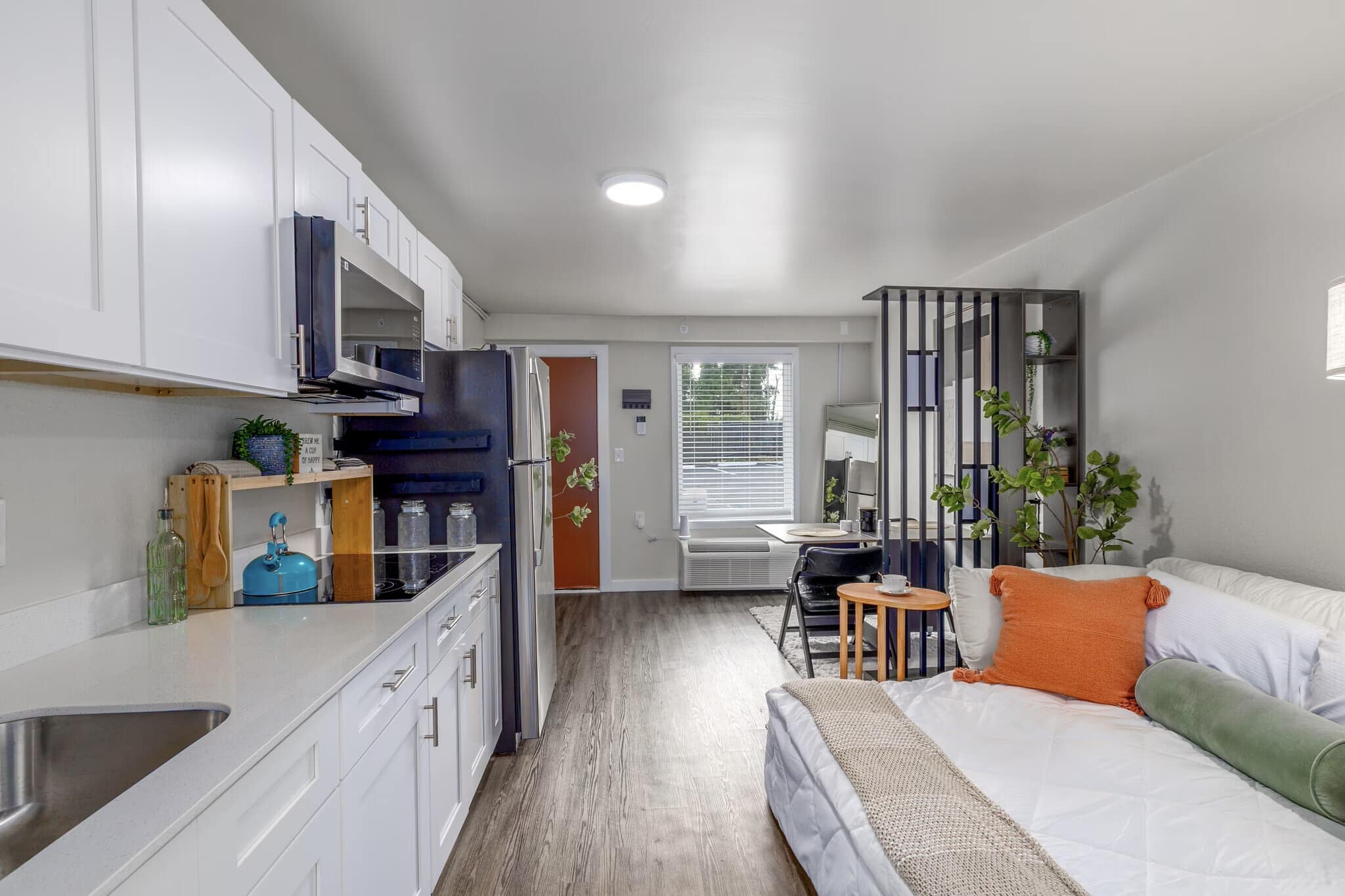
This is the conversion type seeing the most activity right now, and for good reason. Hotels already have plumbing, exterior window access, and vertical circulation built in for every room, removing several of the costliest expenses seen in an office conversion. The trade-off is unit size. Hotel rooms are small, and today’s renters want real living space, particularly in two- and three-bedroom configurations. That means merging multiple rooms into a single apartment. - Warehouse and Industrial
Warehouse conversions have been around for decades and are making a strong comeback. Industrial buildings offer high ceilings, generous window lines, and open floor plans that give architects real flexibility. The challenge is usually environmental remediation and right-sizing mechanical systems for residential loads they were never designed to carry.
How It Is Changing Real Estate Thinking
Adaptive reuse is about doing more than adding housing units. Adaptive reuse is dismantling the longstanding assumption that asset classes are fixed. For decades, investors underwrote office buildings solely as office properties. They viewed converting commercial assets into residential housing as a last resort. That mental model has shifted. Major developers are acquiring commercial-to-apartment conversion projects. Lenders are developing underwriting frameworks for conversion projects that simply did not exist five years ago.
The Sustainability Case
There is an environmental dimension that deserves more attention than it typically gets. Construction is one of the most carbon-intensive human activities. Producing concrete, steel, and constructing new buildings generates a significant share of global emissions. By converting an existing building instead of demolishing and rebuilding it, developers preserve the embodied carbon already invested in the structure rather than wasting it. Adaptive reuse is, in measurable terms, one of the most genuinely sustainable strategies available to the real estate industry.
Why You Should Choose Adaptive Reuse
Adaptive reuse continues to gain momentum as developers and property owners look for innovative ways to address housing demand while maximizing the value of existing buildings. However, successful conversions require more than vision, they require experienced contractors who can navigate unforeseen structural conditions, adapt to real-time challenges, and keep projects on schedule. At Renu, our adaptive reuse specialists bring the expertise, precision, and problem-solving skills needed to transform underutilized properties into thriving multifamily communities. Ready to unlock the full potential of your property? Schedule a project consultation with Renu and discover how our adaptive reuse experts can help turn your vision into a successful, high-performing investment.
#AdaptiveReuseProjects #MultifamilyRealEstate #CommercialToResidential #AdaptiveReuse #BuildingConversions #MultifamilyProperties