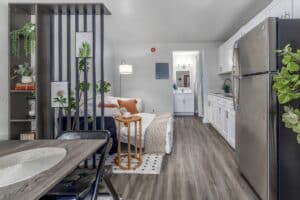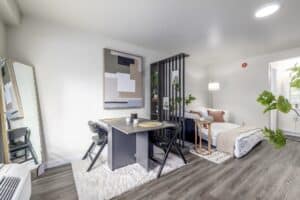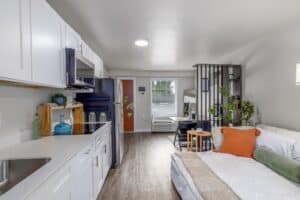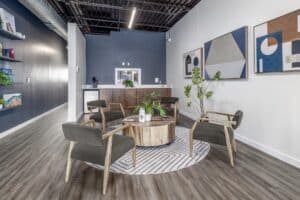
Adaptive reuse has moved from a niche strategy to a core investment plan in many urban markets across the United States. As a general contractor serving the multifamily industry, we see firsthand how converting former warehouses, mills, offices, and civic buildings into apartments can unlock value while protecting capital.
For owners and operators, adaptive reuse development is not about nostalgia. It is about creating differentiated products in supply-constrained markets, shortening entitlement timelines, and controlling construction risk in a volatile cost environment. When executed correctly, it preserves the industrial character residents want while integrating the systems and amenities today’s renters expect.
Table of Contents
ToggleWhy Adaptive Reuse Matters in Today’s Multifamily Market
In primary and secondary metros, developable land is limited, and entitlement cycles are longer. Ground-up development often carries entitlement risk, infrastructure upgrades, and extended schedules. Adaptive reuse offers a viable alternative. From a contractor’s perspective, it means reduced demolition and site work, a faster path to stabilization, embodies carbon preservation, and market differentiation.
For property managers and maintenance teams, the key concern is durability. Renovation of existing structures must look historic but operate like a new asset. That balance is where experienced renovation contractors add value.
Popular Design Trends in Adaptive Reuse
Below are the design trends we are seeing across multifamily adaptive reuse projects. These trends combine industrial authenticity with modern luxury while keeping operations practical.
- Preserving Structural Character as a Feature
Existing walls, columns, beams, and fenestrations are restored and highlighted. Rather than covering imperfections, we stabilize and celebrate them. Exposed brick and original timber create visual depth without excessive finish costs. This approach keeps capital expenditures focused on systems rather than unnecessary cosmetic overbuild. - High Ceilings and Open Floor Plans
Former industrial buildings often have generous ceiling heights. We leverage that vertical volume to create open layouts and flexible living spaces. For owners, this supports market positioning at the top of the competitive set. For residents, it creates light-filled units that feel larger than their square footage. - Smart HVAC and Energy Efficient Systems
Energy efficiency upgrades are no longer optional. We routinely integrate smart HVAC controls, efficient lighting systems, and water-saving fixtures as a part of sustainable adaptive reuse. Modern mechanical systems reduce long-term operating costs and keep maintenance calls predictable. - Industrial Materials Paired with Refined Finishes
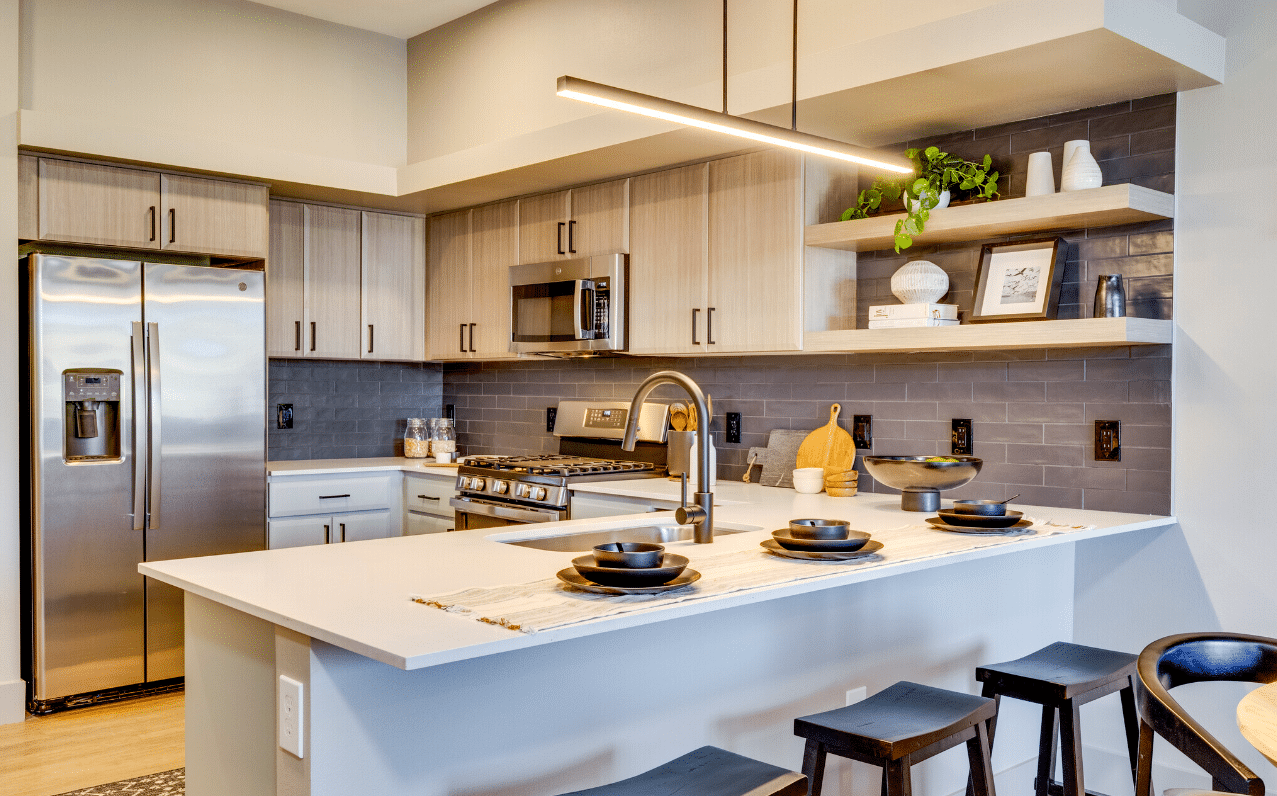
Concrete floors, steel accents, and original masonry are paired with quartz countertops, contemporary cabinetry, and high-performance glazing. The contrast creates a luxury feel without erasing the building’s identity. Residents want authenticity, but they also expect quality appliances and quiet interiors. - Layered Lighting Strategies
In many historic structures, invasive conduit work can damage original materials. We use surface-mounted and suspended lighting systems that minimize structural disruption. Layered illumination ties large spaces together visually while keeping installation efficient. That translates into fewer change orders and cleaner schedules. - Adaptive Amenity Spaces
Former loading docks, storage areas, and mechanical rooms are converted into fitness centers, coworking lounges, and community kitchens. Amenities are strategically located to activate underutilized zones. For operators, this helps maximize net rentable area while enhancing the resident value proposition. - Code Compliance Without Visual Compromise
Bringing an older structure up to current fire, accessibility, and life safety codes requires thoughtful coordination. Sprinkler systems, fire ratings, and egress paths must meet today’s standards. The building repurposing should be done efficiently to integrate these systems discreetly.
Managing Risk in Adaptive Reuse Projects
Every adaptive reuse project starts with a detailed assessment phase. We evaluate structural integrity, moisture intrusion, envelope performance, and existing utilities before finalizing the scope.
Hidden conditions are a real concern. Asbestos, deteriorated beams, or outdated electrical systems can impact budgets. That is why early due diligence and contingency planning are critical.
After all, owners do not want surprises halfway through construction. That is why we structure our preconstruction services to identify risks early, align expectations, and keep budgets predictable. As a result, your teams can move forward with confidence instead of dealing with unnecessary headaches.
Adaptive Reuse as a Long-Term Investment Strategy
Ultimately, adaptive reuse is more than a design trend. Instead, it is a strategic response to urban density, sustainability goals, and evolving renter preferences. By combining industrial charm with modern luxury, developers can create spaces that stand out in competitive markets. As a result, the finished product appeals to today’s renters while delivering long-term value.
Renu partners with multifamily investors to reposition obsolete assets into high-performing communities while reducing environmental impact. For property managers and maintenance teams, the focus must remain on durability, efficiency, and serviceability.
Historic building adaptive reuse requires more than preserving architectural character. It also involves modernizing building systems, interior finishes, and overall performance to meet today’s residential expectations. Successfully balancing these priorities is what makes adaptive reuse a valuable strategy in the multifamily market. Connect with Renu’s adaptive reuse specialists to discuss how your next conversion project can maximize long-term value while preserving the character that makes the property unique.